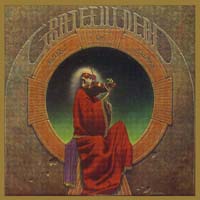
ALBUM NOTESListening to Blues for Allah by Grateful Dead-Blues for Allah
Album overview
"Blues for Allah," released in 1975, is the seventh studio album by the iconic American rock band Grateful Dead. The album showcases a fusion of rock, jazz, and various world music influences, reflecting the band's diverse musical palette. Released under the Grateful Dead Records label, "Blues for Allah" was recorded at the band's own studio, The Grateful Dead's Front Street Studio in San Francisco. The album features a blend of original compositions and improvisational segments, with notable tracks including "Franklin's Tower," "The Music Never Stopped," and the title track "Blues for Allah."
The album arose during a period of personal and professional transformation for the band, as they were moving away from commercial pressures and exploring more complex musical themes. Collaborators on the album included the band's core members: Jerry Garcia, Bob Weir, Phil Lesh, and Bill Kreutzmann, with additional contributions from keyboardist Keith Godchaux and his wife, vocalist Donna Godchaux. "Blues for Allah" is significant not only for its musical experimentation but also for its lyrical depth, touching on themes of spirituality, identity, and the passage of time. It was well-received by fans and critics alike, cementing its place in the Grateful Dead's storied discography and in the broader landscape of 1970s rock.
Review
"Blues for Allah" is a testament to the Grateful Dead's artistic vision, pushing boundaries and embracing improvisation. The album opens with "Help on the Way," seamlessly transitioning into "Slipknot!"—a composition that highlights the band's ability to blend structured songwriting with free-form jamming. The intricate interplay between Garcia's soaring guitar solos and the rhythmic foundation laid by Lesh and Kreutzmann is particularly noteworthy.
Lyrically, the album reflects a sense of philosophical introspection, with songs that invite listeners to ponder life's mysteries. "The Music Never Stopped" serves as a reminder of the eternal nature of music and its power to transcend time and space. The title track, "Blues for Allah," offers a profound exploration of spirituality, showcasing the band's ability to weave deep meaning into their art.
Overall, the album stands out for its unique sound and adventurous spirit, marking a pivotal moment in the band's evolution. Although it may not have achieved the commercial success of some of their earlier works, its artistic merit is undeniable, solidifying the Grateful Dead's status as pioneers of the rock genre.
Highlights
- Innovative blend of rock, jazz, and world music influences.
- Deeply introspective and thought-provoking lyrics.
- Exceptional musicianship and improvisational prowess.
Weak points
- Some tracks may feel disjointed to casual listeners.
- Less accessible than earlier commercial hits.
- The production may not appeal to those unfamiliar with the band's style.
Overall evaluation
"Blues for Allah" is a remarkable work that showcases the Grateful Dead's fearless approach to music and artistry. It remains a vital part of their catalog and a significant work in the wider rock landscape.
Personal rating: 8/10
```

 1991Infrared Roses
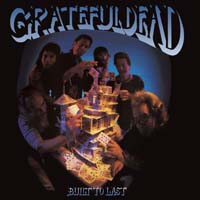 1989Built to Last
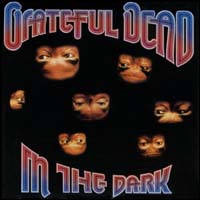 1987In the Dark
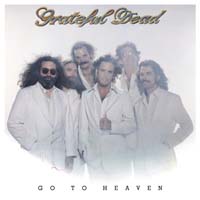 1980Go to Heaven
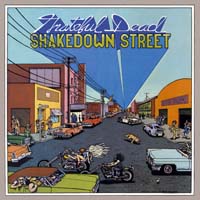 1978Shakedown Street
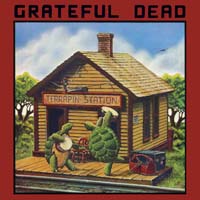 1977Terrapin Station
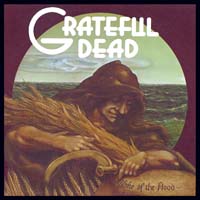 1973Wake of the Flood
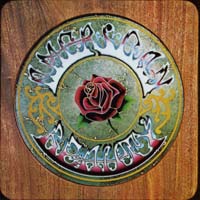 1970American Beauty
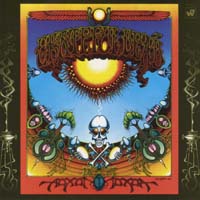 1969Aoxomoxoa
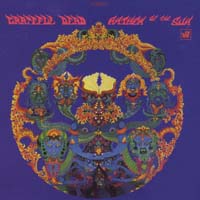 1968Anthem of the Sun
 1967The Grateful Dead