ALBUM NOTESAlbum spotlight: Grateful Dead-The Grateful Dead – The Grateful Dead
Album overview
The self-titled debut album by the Grateful Dead, released in 1967, marked a significant moment in the evolution of the American rock scene. Released on March 17, 1967, under the Warner Bros. Records label, this album is a fusion of rock, folk, blues, and psychedelia, showcasing the band's eclectic sound. Recorded at the famed RCA Studios in Los Angeles, the album featured contributions from band members Jerry Garcia, Bob Weir, Phil Lesh, Ron "Pigpen" McKernan, and Bill Kreutzmann. The production team included the iconic producer and engineer, David Hassinger, who helped capture the band's live energy in a studio setting.
The album features a mix of original compositions and covers, with standout tracks like "The Golden Road (To Unlimited Devotion)" and "Cream Puff War," which exemplify their innovative approach to songwriting. Although not a commercial success upon its release, it laid the groundwork for their later work and the development of the jam band genre. The Grateful Dead quickly became known for their improvisational live performances, and this debut captures the essence of their beginnings.
Culturally, the album arrived during the height of the counterculture movement, resonating with a generation seeking new forms of expression. The Grateful Dead's blend of various musical traditions paved the way for future artists and solidified their legacy as one of the most influential bands in American music history.
Review
The Grateful Dead's debut album is a fascinating snapshot of a band in its formative stages, teetering between various musical influences. The sound is raw and unpolished yet brimming with authenticity. Tracks like "The Golden Road" showcase the band’s penchant for catchy melodies intertwined with complex musical arrangements, while "Cream Puff War" hints at their bluesy roots.
Lyrically, the album is a mix of whimsical narratives and introspective musings, with themes that would later become hallmarks of the band’s oeuvre. The interplay between Garcia's lead guitar and Weir's rhythm work creates a dynamic listening experience that balances structure and improvisation.
Artistically, the album reflects the band's desire to innovate within the rock genre, setting the stage for their future explorations in live performance and extended jams. The chaotic yet harmonious sound captures the spirit of the 1960s, making it a significant piece of music history that resonates with fans of both rock and the broader counterculture movement.
Highlights
- Innovative blend of genres, showcasing the band's eclectic influences.
- Strong lyrical themes that resonate with the 1960s counterculture.
- Captivating musicianship, particularly in the guitar interplay between Garcia and Weir.
Weak points
- Production quality may feel dated compared to modern standards.
- Some tracks may lack the polish found in later albums.
- Not all songs are as memorable, with a few feeling more like filler.
Overall evaluation
The Grateful Dead's debut is a compelling introduction to their world, capturing their early spirit and experimentation. While it may not be their most polished work, its cultural significance and musical innovation make it a must-listen for fans of the genre.
Personal rating: 7/10
```

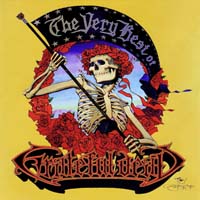
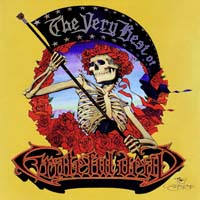 1991Infrared Roses
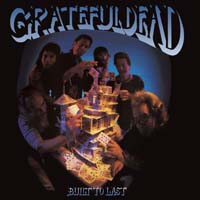 1989Built to Last
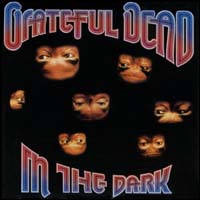 1987In the Dark
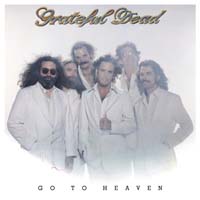 1980Go to Heaven
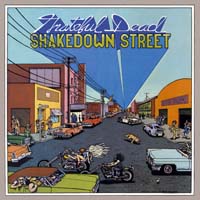 1978Shakedown Street
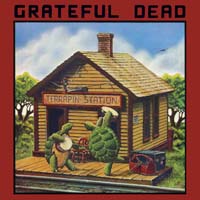 1977Terrapin Station
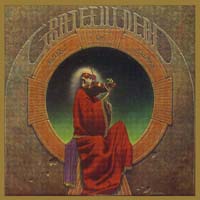 1975Blues for Allah
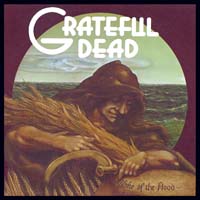 1973Wake of the Flood
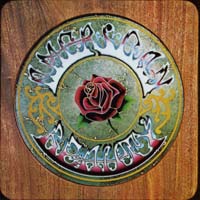 1970American Beauty
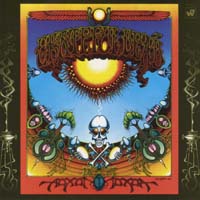 1969Aoxomoxoa
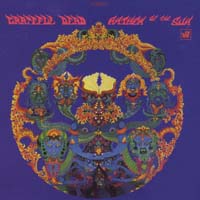 1968Anthem of the Sun