ALBUM NOTESA closer look at Grateful Dead-The Fillmore East 1971's album The Fillmore East 1971
Album overview
The Fillmore East 1971 is a live album by the iconic American rock band Grateful Dead, recorded during their performances at the Fillmore East in New York City on April 28 and 29, 1971. Released on November 15, 1971, by the band's own label, Grateful Dead Records, the album captures the essence of the band's improvisational style and their fusion of rock, blues, folk, and jazz. The performances exemplify the band’s signature sound, marked by Jerry Garcia's distinctive guitar work and the intricate harmonies of the band members.
The album features notable tracks such as "Bertha," "The Other One," and "Wharf Rat," showcasing the band's ability to blend extended jams with lyrical storytelling. The live recording technique employed here allows fans to experience the spontaneity and energy of the Grateful Dead's live shows. The Fillmore East 1971 is not only a testament to the band's musical prowess but also serves as a historical document of the early 1970s counterculture, reflecting the era's spirit of exploration and community.
Collaborators on this recording include the core members of the band: Jerry Garcia, Bob Weir, Phil Lesh, Bill Kreutzmann, and Ron "Pigpen" McKernan, whose contributions enrich the album's diverse sound palette. The album stands as a cultural artifact, providing insight into the Grateful Dead's evolution and their influential role in the development of jam band music and the broader rock genre.
Review
The Fillmore East 1971 showcases the Grateful Dead at a pivotal moment in their career, straddling the line between their early folk-influenced rock and the more experimental sounds they would explore in the years to come. The album's raw energy is palpable, with extended instrumental sections that invite listeners into a world of improvisation. Tracks like "The Other One" exemplify this perfectly, with its shifting tempos and intricate guitar solos that seem to transcend the traditional bounds of rock music.
Lyrically, the songs often navigate themes of existential reflection and the human experience, delivered with a poetic touch that has become a hallmark of Garcia's songwriting. The interplay between the band members is tight yet fluid, creating a dynamic that feels both rehearsed and spontaneous.
However, the recording does show its age, with some sonic limitations typical of live recordings from this era. The production may not be as polished as contemporary releases, but that authenticity adds to the charm and allure of the album, reminding listeners of the raw power of live performances.
Highlights
- Exceptional musicianship and improvisational skill on display.
- Cultural significance as a representation of early '70s counterculture.
- Memorable tracks that highlight the band's diverse sound and evolution.
Weak points
- Occasional sound quality issues typical of live recordings from the era.
- Some tracks may feel lengthy or meandering to casual listeners.
- Lack of studio polish may deter fans of more contemporary rock productions.
Overall evaluation
The Fillmore East 1971 is a compelling snapshot of the Grateful Dead during a transformative period in their career. It captures the essence of their live sound, showcasing both their musical complexity and cultural relevance. While it may have some drawbacks in production quality, the album remains a beloved piece of the band's discography and a must-listen for any fan of rock music.
Personal rating: 8/10
```

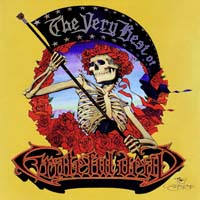
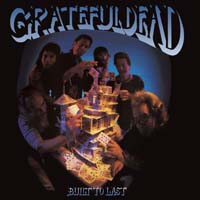 1989Built to Last
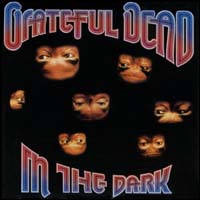 1987In the Dark
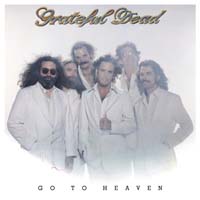 1980Go to Heaven
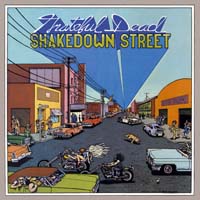 1978Shakedown Street
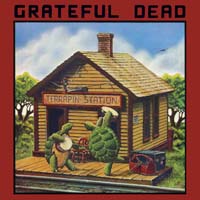 1977Terrapin Station
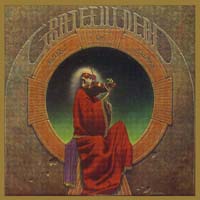 1975Blues for Allah
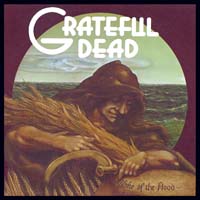 1973Wake of the Flood
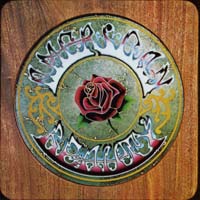 1970American Beauty
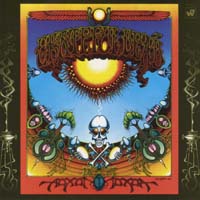 1969Aoxomoxoa
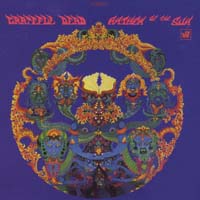 1968Anthem of the Sun
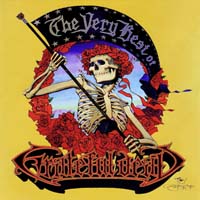 1967The Grateful Dead