ALBUM NOTESOne week with West Side Highway: thoughts on Stanley Turrentine
West Side Highway- Album Overview
Stanley Turrentine's "West Side Highway," released in 1970, is a remarkable jazz album that showcases the saxophonist's smooth, soulful sound. Recorded for the CTI Records label and produced by the renowned Creed Taylor, the album features a fusion of jazz and R&B elements, capturing the vibrant spirit of the era. Turrentine was accompanied by an impressive lineup of musicians, including guitarist Eric Gale, keyboardist Richard Tee, bassist Bob Cranshaw, and drummer Billy Cobham, all of whom brought their unique styles to the project.
The recording sessions took place in the late 1960s and early 1970s, a period marked by a burgeoning interest in jazz fusion. The album consists of six tracks, each highlighting Turrentine's ability to blend intricate melodies with a bluesy feel. Notable tracks include "Ain't No Sunshine," which showcases Turrentine's emotive phrasing, and "Samba de Orpheus," highlighting his versatility and deep connection to different musical traditions.
"West Side Highway" is significant not only for its musical content but also for its cultural context, as it represents a time when jazz was increasingly incorporating elements of funk and soul. The album did not produce major chart hits but has since become a beloved part of Turrentine's discography, celebrated for its sophisticated arrangements and the warmth of Turrentine's tenor saxophone.
Review
"West Side Highway" is a finely crafted work that encapsulates Stanley Turrentine's artistic vision, characterized by a blend of jazz improvisation and melodic accessibility. The album opens with "Ain't No Sunshine," where Turrentine's expressive saxophone takes center stage, delivering a poignant interpretation of the classic Bill Withers song. The lush arrangements, enhanced by the contributions of top-notch musicians, create an inviting atmosphere that draws listeners in.
Throughout the album, Turrentine's saxophone weaves in and out of the arrangements with an effortless fluidity, balancing technical prowess with emotional depth. The interplay between Turrentine and his bandmates is a highlight, particularly in tracks like "Samba de Orpheus," where the rhythmic complexity and melodic interplay shine.
However, while the album is undeniably polished, some may find it leans too heavily on production values that, while impressive, sometimes overshadow the raw improvisational spirit of jazz. Nevertheless, the overall vibe of "West Side Highway" is infectious, making it a captivating listen for both jazz aficionados and newcomers alike.
Highlights
- Incredible saxophone work by Stanley Turrentine, showcasing his emotional range.
- Strong musical arrangements that blend jazz with R&B and funk influences.
- A stellar lineup of musicians that enhances the overall sound quality of the album.
Weak points
- Some tracks may feel overly polished, potentially lacking raw improvisational energy.
- Limited mainstream recognition at the time of release may overshadow its significance.
- The album's length may not satisfy those seeking a more extensive exploration of themes.
Overall evaluation
"West Side Highway" is a quintessential representation of Stanley Turrentine's artistry, blending soulful melodies with a rich tapestry of jazz influences. While it may not push boundaries as much as some contemporaneous works, it remains a warm and engaging listening experience.
Personal rating: 8/10

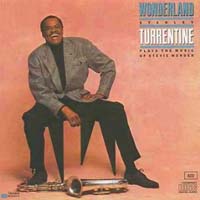 1990Wonderland
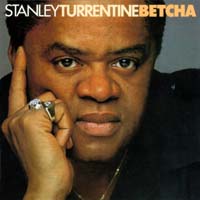 1979Betcha