ALBUM NOTESFrom intro to finale: what Blue Hour delivers
Blue Hour- Album Overview
Stanley Turrentine's "Blue Hour," released in 1963, is a jazz album that showcases the tenor saxophonist's smooth and soulful style, which has made him a pivotal figure in the genre. The album was produced by the legendary Creed Taylor and was released under the Blue Note label, a label renowned for its significant contributions to jazz music. "Blue Hour" features a stellar lineup of musicians, including McCoy Tyner on piano, Elvin Jones on drums, and Bob Cranshaw on bass, all of whom contribute to the album's rich and engaging sound.
Recorded during a prolific period for Turrentine, "Blue Hour" exemplifies his ability to blend hard bop with elements of soul jazz. The album consists of seven tracks, including the standout pieces "Ain't No Sunshine" and "Blue Hour," which display Turrentine's lyrical playing and emotional depth. The recording sessions captured the essence of the early 1960s jazz scene, marked by a transition towards more expressive and nuanced performances.
"Blue Hour" stands out not only for its musical excellence but also for its cultural significance, reflecting the social changes of the time and the evolving landscape of jazz. The album's combination of sophisticated arrangements and heartfelt improvisation has resonated with audiences, solidifying Turrentine's legacy in jazz history. The influence of "Blue Hour" can be seen in the works of numerous artists who followed, highlighting its enduring impact on the genre.
Review
"Blue Hour" is a masterclass in jazz artistry, with Turrentine's tenor saxophone taking center stage. The album opens with a gentle yet captivating introduction that sets the mood for a journey through complex emotions and musical landscapes. Turrentine's sound is both warm and inviting, drawing listeners into a world where every note feels deliberate and every pause significant.
The interplay between the musicians is one of the album's standout features. McCoy Tyner's piano complements Turrentine's saxophone with rich chords and innovative harmonies, while Elvin Jones's drumming adds a dynamic pulse that keeps the energy flowing. The arrangements are spacious, allowing for moments of introspection and fervent expression alike.
While "Blue Hour" does not contain lyrics, the emotional weight conveyed through Turrentine's playing speaks volumes, capturing the essence of joy, melancholy, and reflection. The album is a testament to Turrentine's artistic vision, as he successfully melds various influences while maintaining a distinctive sound that continues to resonate with both jazz aficionados and new listeners.
Highlights
- Rich, soulful saxophone melodies by Stanley Turrentine.
- Exceptional musicianship from a stellar supporting cast.
- Timeless arrangements that showcase a blend of hard bop and soul jazz.
Weak points
- Some tracks may feel slower-paced for listeners seeking more energetic jazz.
- Lack of vocal elements may not appeal to those who prefer lyrical content.
- Production quality is reflective of its era and may seem dated to some modern ears.
Overall evaluation
"Blue Hour" by Stanley Turrentine is a compelling and beautifully crafted album that exemplifies the best of 1960s jazz. Its blend of emotional depth and technical prowess makes it a significant work in Turrentine's discography.
Personal rating: 8/10

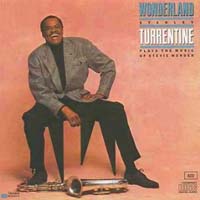 1990Wonderland
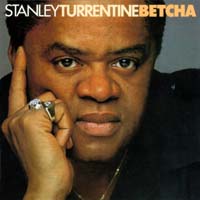 1979Betcha