ALBUM NOTESExploring the sound of Stanley Turrentine: Blue Hour: The Complete Sessions
Blue Hour: The Complete Sessions- Album Overview
Stanley Turrentine's "Blue Hour: The Complete Sessions," released in 2010 by the Blue Note Records label, compiles the iconic jazz saxophonist's work from the late 1960s, showcasing his remarkable talent and the rich musical landscape of the era. The sessions included in this album were originally recorded between 1963 and 1964, featuring Turrentine's signature hard bop style, characterized by a unique blend of soul and blues influences.
The album consists of several tracks, including classics like "Blue Hour," "Ain't No Sunshine," and "Willow Weep for Me," which highlight Turrentine's emotive playing and deep musicality. Collaborators on these sessions include prominent jazz musicians such as McCoy Tyner on piano, Elvin Jones on drums, and Reggie Workman on bass, who contributed to the album's lush, intricate arrangements.
"Blue Hour: The Complete Sessions" is not merely a collection of tracks; it represents a significant moment in jazz history, reflecting the creative experimentation that defined the genre during the 1960s. The album's production values are superb, capturing the raw energy of the live sessions while maintaining a polished sound that appeals to both jazz aficionados and new listeners alike. The collection serves as a vital entry point for those looking to explore Turrentine’s contributions to jazz, illustrating his ability to convey deep emotion through his saxophone.
The significance of this release lies not only in its musical craftsmanship but also in its cultural impact, as Turrentine's work continues to influence countless artists. By revisiting these sessions, audiences gain a deeper appreciation of the artistic vision that defined Turrentine's career and the broader evolution of jazz music.
Review
"Blue Hour: The Complete Sessions" encapsulates the essence of Stanley Turrentine's artistry, showcasing his smooth, soulful tone that can evoke both joy and melancholy. The album's production allows for an intimate listening experience, capturing the nuances of Turrentine's saxophone alongside the dynamic interplay of his bandmates.
Musically, the album resonates with a rich tapestry of sounds. The interplay between Turrentine's saxophone and McCoy Tyner's piano creates lush harmonies that invite listeners into a world of deep emotion. The rhythmic backbone provided by Elvin Jones and Reggie Workman adds a level of sophistication that elevates the sessions beyond mere recordings.
There are moments of pure magic throughout, where Turrentine's improvisational skills shine, taking the listener on a journey through intricate melodies and heartfelt solos. The overall artistic vision of "Blue Hour" reflects the spirit of jazz during a transformative era, making it a timeless classic.
Highlights
- Exceptional musicianship from Turrentine and his collaborators.
- Rich, emotive saxophone melodies that resonate with listeners.
- A compelling mix of hard bop and soul influences, showcasing Turrentine's unique style.
Weak points
- Some tracks may feel lengthy for casual listeners.
- Limited appeal for those outside the jazz genre.
- Occasional production quirks that reflect the era's recording technology.
Overall evaluation
"Blue Hour: The Complete Sessions" is a remarkable testament to Stanley Turrentine's legacy in jazz, offering a deep dive into his artistry and the collaborative spirit of the 1960s. With its blend of soulful melodies and rich instrumental interplay, this album is an essential listen for both jazz enthusiasts and newcomers alike.
Personal rating: 9/10

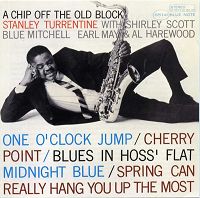
 1990Wonderland
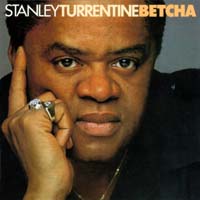 1979Betcha