
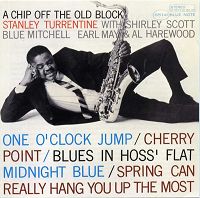
Is Blue Flames Stanley Turrentine's best work yet?
Blue Flames- Album Overview
Released in 1972 under the CTI Records label, "Blue Flames" marks a significant entry in the discography of renowned jazz saxophonist Stanley Turrentine. Known for his rich, soulful sound, Turrentine collaborated with a stellar cast of musicians on this album, including the legendary guitarist George Benson, who adds a unique flair to several tracks. The production was helmed by Creed Taylor, a notable figure in the jazz genre, especially for his work with CTI, which is known for its lush, orchestral arrangements.
The album features a blend of jazz and soul, showcasing Turrentine's ability to cross genres while maintaining his distinctive style. Among its six tracks, "Blue Flames," "The Man from T.A.F.," and "The Heat's On" stand out, blending intricate melodies with rhythmic grooves that invite listeners into Turrentine's world. The recording took place in a period when jazz was evolving, and Turrentine's work on this album reflects the era's experimentation with funk and soul influences.
In terms of cultural significance, "Blue Flames" is often noted for its lush production and emotive depth, representing a transitional period in jazz where artists began to embrace more accessible sounds while still pushing the boundaries of improvisation. The album was well-received upon release, though it didn't achieve the commercial success of some of Turrentine's earlier works. Nevertheless, it remains a beloved piece among jazz aficionados, often cited as a highlight of his career.
Review
"Blue Flames" is a testament to Stanley Turrentine's prowess as a saxophonist and his ability to evoke emotion through music. The album opens with the title track, featuring a smooth yet powerful saxophone lead that immediately sets the tone for the rest of the collection. Turrentine's phrasing is both effortless and gripping, drawing listeners into a sonic landscape that feels both familiar and innovative.
The album's production shines, with lush arrangements that complement Turrentine's style without overshadowing it. George Benson's guitar work adds a layer of complexity, creating a dialogue between the saxophone and guitar that is both engaging and harmonically rich. The interplay between the musicians is palpable and creates an inviting atmosphere that makes listeners want to revisit the album time and again.
However, while the musicality is top-notch, some might argue that certain tracks lean too heavily into the smooth jazz aesthetic, which could detract from the raw energy that fans of Turrentine's earlier works might expect. Still, the overall artistic vision remains clear: to create a collection that resonates with both jazz purists and casual listeners alike.
Highlights
- Rich and soulful saxophone melodies that showcase Turrentine's signature sound.
- Exceptional collaboration with George Benson, enhancing the album's depth.
- Lush production quality that elevates the listening experience.
Weak points
- Some tracks may feel overly polished for fans seeking raw jazz energy.
- Limited commercial impact compared to Turrentine's earlier works.
- Less improvisational exploration than expected from a jazz album.
Overall evaluation
"Blue Flames" stands as a significant entry in Stanley Turrentine's discography, blending jazz with soul in a way that captures the essence of the early 1970s. While it may not fully satisfy all fans of traditional jazz, its artistic merits and production quality make it a worthwhile listen for any music lover.
Personal rating: 8/10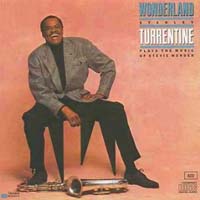 1990Wonderland
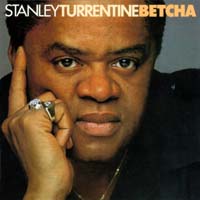 1979Betcha