ALBUM NOTESWhy Stanley Turrentine's Stan "the Man" Turrentine matters
Stan "the Man" Turrentine- Album Overview
Stanley Turrentine's album, *Stan "the Man" Turrentine*, was released in 1960 under the Blue Note label, a cornerstone of jazz recordings. This album showcases Turrentine's mastery of the tenor saxophone, an instrument that he would come to define through his emotive playing style and distinctive sound. Recorded in New Jersey, the album features a stellar lineup of musicians, including pianist McCoy Tyner, bassist Bob Cranshaw, and drummer Elvin Jones, who would later gain fame as part of John Coltrane's classic quartet.
The album consists of eight tracks, blending elements of hard bop and soul jazz, which were gaining traction in the jazz scene during the late 1950s and early 1960s. Notable tracks include "Ain't No Sunshine," which showcases Turrentine's ability to convey deep emotion through his instrument, and "The Man I Love," a poignant interpretation of the classic standard. The album's production was overseen by Alfred Lion, co-founder of Blue Note, who had an acute ear for talent and sound, ensuring that Turrentine's style was captured with clarity and warmth.
*Stan "the Man" Turrentine* is significant not only for its musical quality but also for its cultural impact. It marked Turrentine's rise as a leading figure in jazz, paving the way for future generations of musicians. His smooth yet powerful tone and the ability to blend soulful melodies with intricate improvisations set him apart from his contemporaries. The album remains a key reference point for those studying the evolution of jazz music in the early 1960s, reflecting the genre's shifting dynamics and the emergence of a more accessible, yet deeply expressive, sound.
Review
Stanley Turrentine's *Stan "the Man" Turrentine* is a quintessential jazz album that perfectly encapsulates the spirit of its era. Turrentine's tenor saxophone work is both robust and lyrical, effortlessly transitioning between hard-hitting riffs and tender, soulful passages. The interplay between Turrentine and the rhythm section, particularly with McCoy Tyner, creates a dynamic foundation that enhances the melodic lines Turrentine lays down.
The album's arrangements are both sophisticated and approachable, making it a great entry point for jazz newcomers while still offering depth for seasoned listeners. Turrentine's choice of standards as well as original compositions allows the album to showcase his versatility as an artist. The emotional weight of tracks like "Ain't No Sunshine" resonates deeply, revealing a sensitivity that elevates the music beyond mere technical prowess.
In terms of artistic vision, Turrentine's ability to fuse elements of blues and soul with jazz not only broadens the album's appeal but also signifies the genre's evolution during the time. The production quality is top-notch, as one would expect from a Blue Note release, capturing the warmth and richness of Turrentine's sound.
Highlights
- Exceptional saxophone performance that blends emotion with technical skill.
- A stellar supporting cast, featuring iconic musicians like McCoy Tyner and Elvin Jones.
- Strong selection of tracks that highlight both original compositions and classic standards.
Weak points
- Some tracks may feel less innovative compared to Turrentine's later works.
- Occasional reliance on familiar standards could limit experimentation.
- Timing and pacing in a few pieces may not resonate with all listeners.
Overall evaluation
Stanley Turrentine's *Stan "the Man" Turrentine* is a landmark album in jazz history, showcasing a perfect blend of emotion, skill, and cultural significance. It remains a must-listen for any jazz enthusiast, capturing the essence of Turrentine's artistry and the dynamic spirit of the early 1960s jazz scene.
Personal rating:
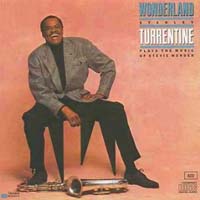 1990Wonderland
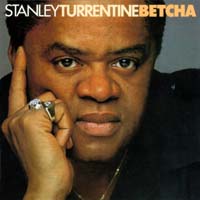 1979Betcha