

From intro to finale: what Volume Two delivers
Volume Two- Album Overview
"Volume Two" is the second studio album by the British jazz-rock band Soft Machine, released in 1970. This album marked a significant evolution in the band's sound, steering away from the more straightforward rock influences of their debut. It was released under the label CBS Records and produced by the band members themselves, showcasing their artistic growth and collaborative spirit.
Recorded in the wake of the burgeoning progressive rock movement, "Volume Two" features a unique blend of jazz improvisation, rock sensibilities, and avant-garde compositions. The album consists of several instrumental tracks that highlight the band's penchant for complex arrangements and sophisticated musicianship. Notable tracks include "Hazard Profile," which exemplifies the band's ability to merge intricate time signatures with melodic elements, and "Esther's Nose Job," a piece that showcases their experimental approach to sound.
The band lineup during this period included key figures such as Robert Wyatt on drums and vocals, Mike Ratledge on keyboards, and Hugh Hopper on bass, with the addition of saxophonist Elton Dean. Their collaborative efforts resulted in a rich tapestry of sounds, exploring themes of existentialism and the human experience, which resonated with the cultural zeitgeist of the time.
"Volume Two" did not produce any major singles but gained a cult following and is often regarded as a landmark album in the progressive rock genre. Its influence can be seen in the works of later artists who embraced the fusion of jazz and rock, solidifying Soft Machine's status as pioneers within the musical landscape of the 1970s.
Review
Musically, "Volume Two" is a masterclass in layering sounds and textures, with each track serving as a distinct journey through various moods and motifs. The absence of traditional song structures allows the band to explore improvisation fully, leading to unexpected sonic landscapes. The album's sound is characterized by intricate keyboard arrangements, dynamic drumming, and exploratory saxophone lines that often break the confines of conventional jazz or rock.
Lyrically, the album takes a backseat to the instrumental prowess of the band, but the sparse vocals from Robert Wyatt add an ethereal quality to the overall experience. His haunting delivery on tracks like "The Soft Weed Factor" captures a sense of introspection and vulnerability, further enhancing the album's emotional depth.
The artistic vision behind "Volume Two" is clear: to push boundaries and redefine what a rock album could be. Soft Machine's willingness to experiment with form and content makes this album a significant contribution to the progressive rock canon, showcasing their innovative spirit and commitment to artistic integrity.
Highlights
- Innovative blend of jazz and rock influences.
- Intricate compositions that showcase exceptional musicianship.
- Unique soundscapes that challenge traditional song structures.
Weak points
- Lack of commercially viable singles may limit mainstream appeal.
- Some tracks may feel too abstract for casual listeners.
- The album's length and complexity could deter less patient audiences.
Overall evaluation
"Volume Two" stands as a testament to Soft Machine's innovative approach to music in the early 1970s, cementing their legacy as pioneers of the progressive rock genre. While it may not cater to all tastes, its artistic merit and historical significance cannot be overstated.
Personal rating: 8/10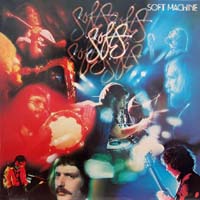 1976Softs