Biography
Soft Machine: history and sound
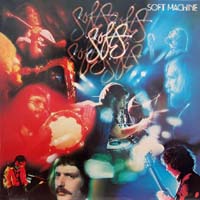
Soft Machine were an English rock band from Canterbury, named after the book The Soft Machine by William S.
Soft Machine: The Musical Journey of an Experimental Rock Band
Soft Machine is a band that has left an indelible mark on the world of experimental rock music. Founded in the late 1960s, the band was known for blending together various genres like rock, jazz, and avant-garde music to create something truly unique. From their early days as a psychedelic rock band to their later years as an instrumental jazz ensemble, Soft Machine's musical journey is one that is worth exploring.
A Musical Biography
Starting off as a psychedelic rock band, Soft Machine drew inspiration from bands like the Beatles and The Jimi Hendrix Experience. However, they quickly began to move away from their psychedelic roots and incorporate more complex musical elements. By the early 1970s, the band had transformed into an instrumental jazz-rock group, playing intricate, complex music that was both challenging and rewarding for the listener.
The Soft Machine had several line-up changes during their musical career that led to different sounds. The band's core members were Robert Wyatt, Mike Ratledge, Hugh Hopper, and Daevid Allen. Wyatt was the band's original drummer and had a distinctive voice that was featured in many of their songs. Ratledge was the keyboardist who added a unique touch to the band's music, while Hopper was the bassist who helped anchor the band's sound. Allen was the band's co-founder and guitarist, who left the band during its early days.
Best Songs
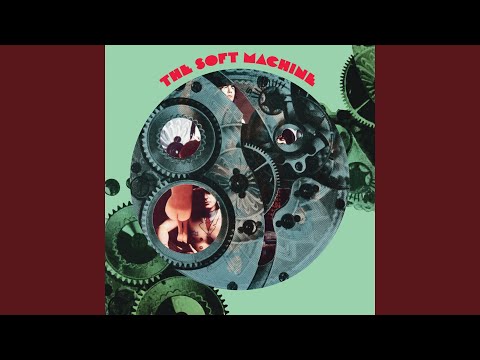
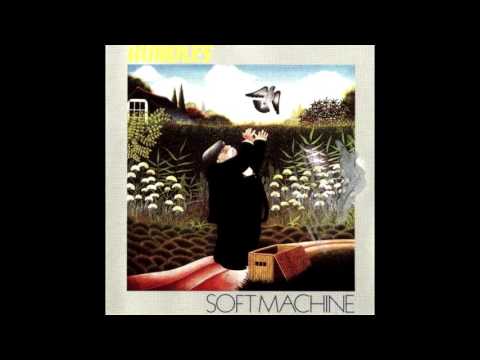
Soft Machine has produced several classic albums and timeless songs that continue to be played and enjoyed to this day. Some of the band's best-known songs include Moon in June, Facelift, and Hope for Happiness. Soft Machine's later albums featured more experimental sounds and tracks like Out-Bloody-Rageous, Bundles, and Hazard Profile. These songs showcased the band's ability to push the boundaries of music and create something truly unique and original.
Music Genre
Soft Machine's music can be classified as experimental rock or jazz-rock fusion. The band's music includes elements of psychedelic rock, free jazz, and avant-garde music, which are combined to create something truly special. Soft Machine's music is known for being complex and challenging, yet rewarding for the listener. Their music is not for everyone, as it requires a certain degree of patience and an open mind to appreciate fully.
Soft Machine's music can be classified as experimental rock or jazz-rock fusion. The band's music includes elements of psychedelic rock, free jazz, and avant-garde music, which are combined to create something truly special. Soft Machine's music is known for being complex and challenging, yet rewarding for the listener. Their music is not for everyone, as it requires a certain degree of patience and an open mind to appreciate fully.
Famous Concerts and a Critique
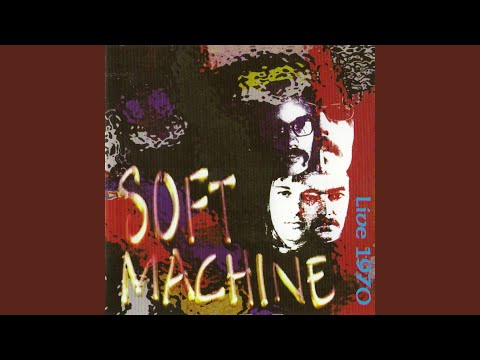
Soft Machine played several famous concerts, including a gig at the Proms in 1970 and a performance at the legendary Fillmore East in 1971. The band's music was also featured in several films, including Michelangelo Antonioni's Zabriskie Point and the cult classic Easy Rider. Soft Machine's music has received critical acclaim over the years, with many critics praising the band's ability to fuse together different genres of music seamlessly. However, the band's music has also been criticized for being too challenging and inaccessible for some listeners.
Throughout their musical journey, Soft Machine has remained true to their experimental roots, creating music that is challenging, complex, and rewarding. Their unique blend of rock, jazz, and avant-garde music has earned them a place in the history of experimental rock music. Despite their many lineup changes, Soft Machine has managed to stay relevant and influential, inspiring countless musicians over the years. For those who appreciate music that pushes the boundaries and challenges the status quo, Soft Machine's music is a must-hear. Their legacy ensures that they will continue to be remembered for years to come.
Soft Machine: The Musical Journey of an Experimental Rock Band
Soft Machine is a band that has left an indelible mark on the world of experimental rock music. Founded in the late 1960s, the band was known for blending together various genres like rock, jazz, and avant-garde music to create something truly unique. From their early days as a psychedelic rock band to their later years as an instrumental jazz ensemble, Soft Machine's musical journey is one that is worth exploring.
A Musical Biography
Starting off as a psychedelic rock band, Soft Machine drew inspiration from bands like the Beatles and The Jimi Hendrix Experience. However, they quickly began to move away from their psychedelic roots and incorporate more complex musical elements. By the early 1970s, the band had transformed into an instrumental jazz-rock group, playing intricate, complex music that was both challenging and rewarding for the listener.
The Soft Machine had several line-up changes during their musical career that led to different sounds. The band's core members were Robert Wyatt, Mike Ratledge, Hugh Hopper, and Daevid Allen. Wyatt was the band's original drummer and had a distinctive voice that was featured in many of their songs. Ratledge was the keyboardist who added a unique touch to the band's music, while Hopper was the bassist who helped anchor the band's sound. Allen was the band's co-founder and guitarist, who left the band during its early days.
Best Songs
Soft Machine has produced several classic albums and timeless songs that continue to be played and enjoyed to this day. Some of the band's best-known songs include Moon in June, Facelift, and Hope for Happiness. Soft Machine's later albums featured more experimental sounds and tracks like Out-Bloody-Rageous, Bundles, and Hazard Profile. These songs showcased the band's ability to push the boundaries of music and create something truly unique and original.
Music Genre
Soft Machine's music can be classified as experimental rock or jazz-rock fusion. The band's music includes elements of psychedelic rock, free jazz, and avant-garde music, which are combined to create something truly special. Soft Machine's music is known for being complex and challenging, yet rewarding for the listener. Their music is not for everyone, as it requires a certain degree of patience and an open mind to appreciate fully.
Soft Machine's music can be classified as experimental rock or jazz-rock fusion. The band's music includes elements of psychedelic rock, free jazz, and avant-garde music, which are combined to create something truly special. Soft Machine's music is known for being complex and challenging, yet rewarding for the listener. Their music is not for everyone, as it requires a certain degree of patience and an open mind to appreciate fully.
Famous Concerts and a Critique
Soft Machine played several famous concerts, including a gig at the Proms in 1970 and a performance at the legendary Fillmore East in 1971. The band's music was also featured in several films, including Michelangelo Antonioni's Zabriskie Point and the cult classic Easy Rider. Soft Machine's music has received critical acclaim over the years, with many critics praising the band's ability to fuse together different genres of music seamlessly. However, the band's music has also been criticized for being too challenging and inaccessible for some listeners.
Throughout their musical journey, Soft Machine has remained true to their experimental roots, creating music that is challenging, complex, and rewarding. Their unique blend of rock, jazz, and avant-garde music has earned them a place in the history of experimental rock music. Despite their many lineup changes, Soft Machine has managed to stay relevant and influential, inspiring countless musicians over the years. For those who appreciate music that pushes the boundaries and challenges the status quo, Soft Machine's music is a must-hear. Their legacy ensures that they will continue to be remembered for years to come.