Biography
Can: history and sound
Can was a German experimental rock band formed in Cologne, West Germany, in 1968. Later labeled as one of the first krautrock groups, they transcended mainstream influences and incorporated strong minimalist and world music elements into their often psychedelic music. Nothing sounds sweeter than the music of the best songs. Digging into the melodies, it's easy to find gems hidden away in every single one. Hear something new and unexpected as each moment falls into place or have a song take you back down memory lane. It's incredible how much emotion is contained within a song. Enjoy the stories held inside these mystical notes so that you can enjoy their captivating atmosphere whenever you need it most! Music enthusiasts will love learning about the rich history of classic music artists! Thinking back on hits that they released years ago can evoke strong emotions and nostalgia. It's also a great way to understand how different eras and styles of music have evolved over time. Looking into various streaming platforms is an easier way for us these days to access legendary songs from the past. And we can take advantage of awesome playlists featuring greatest hits from inspiring musicians and singers both past and present. Listening to these tracks can be delightfully uplifting and downright fun -- what an incredible feeling it is!
The Musical Biography of Can: A Journey through their Best Songs and Concerts
If there's one band that's synonymous with the experimental rock movement of the '60s and '70s, it's got to be Can. With their groundbreaking sound that blended elements of psychedelic rock, jazz, and avant-garde music, they remain one of the most innovative and influential bands of all time. In this article, we'll take you through the musical biography of Can, exploring their best songs, genre, and famous concerts. So sit back and get ready to dive deep into the psychedelic and experimental world of Can.
Can was formed in 1968 in Cologne, Germany, by students of the city's Conservatory of Music. The original lineup included Holger Czukay on bass, Irmin Schmidt on keyboards, Jaki Liebezeit on drums, and Michael Karoli on guitar. Soon after, they were joined by singer Malcolm Mooney, and together they started experimenting with different sounds and musical styles. Can's sound was characterized by their use of repetitive rhythms, unconventional song structures, and electronic sound effects.
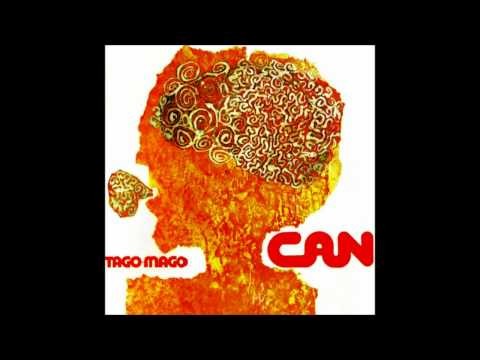
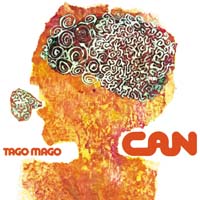
The band's music was a mix of different genres that featured elements of jazz, funk, and rock. The song Halleluhwah from their album Tago Mago is a perfect example of their experimental sound, featuring a hypnotic rhythm section, electronic sound effects, and Mooney's haunting vocals. Another famous song from the same album is Oh Yeah, which features a groovy bassline, distorted guitar riffs, and electronic effects.
Can's music was heavily influenced by the German Krautrock scene, which emerged in the late '60s and early '70s. This genre emphasized the use of improvisation and experimental techniques, and Can was one of its pioneers. They were also influenced by the American avant-garde jazz scene and the works of composers like Karlheinz Stockhausen, who taught Schmidt at the conservatory.
Some of Can's most famous concerts include their performance at the Free Concerts in Berlin in 1972, which was attended by thousands of people and had a significant impact on the German rock scene. Another notable performance was their concert in London in 1975, which was recorded and released as a live album titled Can Live.
Critics have hailed Can's music as innovative, groundbreaking, and ahead of its time. They have been cited as an influence by countless musicians, and their sound has been imitated by many bands in different genres. However, some critics have criticized their music as being too experimental and inaccessible.
Blog
In conclusion, Can remains one of the most influential and innovative bands of all time. Their blend of different genres, experimental sound, and use of electronic effects remain a benchmark in the history of music. Their best songs, including Halleluhwah and Oh Yeah, continue to inspire musicians, while their famous concerts and live performances have left an indelible mark on the history of music. Despite the criticism, Can's music remains relevant to this day and continues to influence new generations of artists. If you're a fan of experimental rock and psychedelic music, then Can is a band you definitely need to check out.
In conclusion, Can remains one of the most influential and innovative bands of all time. Their blend of different genres, experimental sound, and use of electronic effects remain a benchmark in the history of music. Their best songs, including Halleluhwah and Oh Yeah, continue to inspire musicians, while their famous concerts and live performances have left an indelible mark on the history of music. Despite the criticism, Can's music remains relevant to this day and continues to influence new generations of artists. If you're a fan of experimental rock and psychedelic music, then Can is a band you definitely need to check out.
The Musical Biography of Can: A Journey through their Best Songs and Concerts
If there's one band that's synonymous with the experimental rock movement of the '60s and '70s, it's got to be Can. With their groundbreaking sound that blended elements of psychedelic rock, jazz, and avant-garde music, they remain one of the most innovative and influential bands of all time. In this article, we'll take you through the musical biography of Can, exploring their best songs, genre, and famous concerts. So sit back and get ready to dive deep into the psychedelic and experimental world of Can.
Can was formed in 1968 in Cologne, Germany, by students of the city's Conservatory of Music. The original lineup included Holger Czukay on bass, Irmin Schmidt on keyboards, Jaki Liebezeit on drums, and Michael Karoli on guitar. Soon after, they were joined by singer Malcolm Mooney, and together they started experimenting with different sounds and musical styles. Can's sound was characterized by their use of repetitive rhythms, unconventional song structures, and electronic sound effects.
The band's music was a mix of different genres that featured elements of jazz, funk, and rock. The song Halleluhwah from their album Tago Mago is a perfect example of their experimental sound, featuring a hypnotic rhythm section, electronic sound effects, and Mooney's haunting vocals. Another famous song from the same album is Oh Yeah, which features a groovy bassline, distorted guitar riffs, and electronic effects.
Can's music was heavily influenced by the German Krautrock scene, which emerged in the late '60s and early '70s. This genre emphasized the use of improvisation and experimental techniques, and Can was one of its pioneers. They were also influenced by the American avant-garde jazz scene and the works of composers like Karlheinz Stockhausen, who taught Schmidt at the conservatory.
Some of Can's most famous concerts include their performance at the Free Concerts in Berlin in 1972, which was attended by thousands of people and had a significant impact on the German rock scene. Another notable performance was their concert in London in 1975, which was recorded and released as a live album titled Can Live.
Critics have hailed Can's music as innovative, groundbreaking, and ahead of its time. They have been cited as an influence by countless musicians, and their sound has been imitated by many bands in different genres. However, some critics have criticized their music as being too experimental and inaccessible.
Blog
In conclusion, Can remains one of the most influential and innovative bands of all time. Their blend of different genres, experimental sound, and use of electronic effects remain a benchmark in the history of music. Their best songs, including Halleluhwah and Oh Yeah, continue to inspire musicians, while their famous concerts and live performances have left an indelible mark on the history of music. Despite the criticism, Can's music remains relevant to this day and continues to influence new generations of artists. If you're a fan of experimental rock and psychedelic music, then Can is a band you definitely need to check out.
In conclusion, Can remains one of the most influential and innovative bands of all time. Their blend of different genres, experimental sound, and use of electronic effects remain a benchmark in the history of music. Their best songs, including Halleluhwah and Oh Yeah, continue to inspire musicians, while their famous concerts and live performances have left an indelible mark on the history of music. Despite the criticism, Can's music remains relevant to this day and continues to influence new generations of artists. If you're a fan of experimental rock and psychedelic music, then Can is a band you definitely need to check out.