

Ege Bamyas?: exploring the world of Can
Ege Bamyas?- Album Overview
"Ege Bamyas?" is the third studio album by the German experimental rock band Can, released in 1972. This album, which translates to "Aegean Okra," was produced by the band and released under the United Artists label. Can recorded the album in their own Inner Space studio in Koln, Germany, where they began to develop their unique sound that blended elements of psychedelic rock, avant-garde, and world music influences. The lineup during this period included the innovative musicians Holger Czukay, Jaki Liebezeit, Irmin Schmidt, Michael Karoli, and vocalist Damo Suzuki, who contributed to the band's signature improvisational approach. The album features six tracks, including standout songs like "Vitamin C" and "Spoon," showcasing the band's ability to fuse rhythm, melody, and avant-garde elements seamlessly. "Ege Bamyas?" is noted for its experimental instrumentation, with Czukay's innovative use of tape loops and Liebezeit's polyrhythmic drumming creating a sonic landscape that was ahead of its time. The album is often hailed for its cultural significance, particularly in the context of the Krautrock movement, which sought to break away from traditional rock norms, embracing a more free-form and improvisational style. Though not as commercially successful as some of their later works, "Ege Bamyas?" has gained critical acclaim over the years, influencing countless artists across various genres.
Review
The sound of "Ege Bamyas?" is a captivating journey through experimental rock, characterized by its hypnotic rhythms and avant-garde sensibilities. Can’s ability to blend structured composition with improvisational flair is evident throughout the album, particularly in tracks like "Spoon," where the interplay between the instruments creates a fluid, almost organic feel. Damo Suzuki's distinctive vocal style adds an ethereal quality to the music, often serving as an instrument in itself rather than just a means of lyrical expression. The lyrics, while sparse, convey a sense of surrealism that complements the instrumental landscapes. The album's production is raw yet polished, highlighting the band's experimental ethos. The use of studio techniques, such as tape manipulation and unconventional recording methods, lends an otherworldly charm to the tracks. Can's artistic vision for "Ege Bamyas?" reflects a desire to push boundaries and redefine the parameters of rock music, making it a significant contribution to the genre. Each track unfolds like a sound collage, inviting listeners to lose themselves in its intricate layers and textures, establishing Can as pioneers of a new musical frontier.
Highlights
- The innovative blend of genres, including rock, jazz, and electronic elements.
- Damo Suzuki's distinctive vocal style, which adds a unique texture to the music.
- The album's influence on the Krautrock movement and its lasting impact on modern experimental music.
Weak points
- The abstract nature of the music may not appeal to all listeners.
- Some tracks may feel disjointed due to their improvisational style.
- Lack of mainstream commercial success may limit its recognition among casual music fans.
Overall evaluation
"Ege Bamyas?" stands as a testament to Can's innovative spirit and their role in shaping the landscape of experimental rock. The album is a rich tapestry of sound that invites exploration and introspection, making it a must-listen for fans of avant-garde music.
Personal rating: 8/10 1989Rite Time
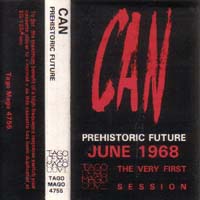 1984Prehistoric Future
 1978CAN
 1973Future Days
 1971Tago Mago