ALBUM NOTESExploring the sound of Can-Ege Bamyasi: Ege Bamyasi
Album overview
"Ege Bamyasi" is the third studio album by the influential German Krautrock band Can, released in 1972. The album was produced by Can and released under the United Artists label. It was recorded at the Inner Space Studio in Cologne, Germany, showcasing the band's innovative approach to both sound and composition. The lineup for this album included the core members: Holger Czukay, Michael Karoli, Jaki Liebezeit, and Damo Suzuki, whose eclectic vocal style added a unique layer to the band's experimental sound.
The album consists of seven tracks, including standout pieces like "Spoon," "One More Night," and "Vitamin C." "Ege Bamyasi" is often noted for its fusion of rock, avant-garde, and world music elements, making it a significant work in the progressive and experimental music scenes. The album is also culturally significant as it reflects the ethos of the early 1970s, a time when music was increasingly becoming a medium for experimentation and exploration of new boundaries. The singles “Spoon” and “Vitamin C” received considerable acclaim, helping to solidify Can's reputation as pioneers of the Krautrock genre. The album's blend of hypnotic grooves, layered instrumentation, and Damo Suzuki's unpredictable vocal delivery create a soundscape that is both challenging and rewarding for listeners.
Review
"Ege Bamyasi" stands as a testament to Can's artistic vision and their ability to transcend conventional musical boundaries. The album opens with "Spoon," which features a repetitive, almost hypnotic groove that showcases Jaki Liebezeit's intricate drumming paired with Holger Czukay's innovative bass lines. Damo Suzuki's vocals add an otherworldly quality, swinging between melodic and abstract.
The track "One More Night" is particularly striking, marrying a laid-back rhythm with a sense of urgency through its lyrical content. The album culminates in "Vitamin C," a track that perfectly encapsulates Can's ethos—melding avant-garde sensibilities with accessible melodies. The production is raw yet polished, allowing the spontaneity of the band's jamming sessions to shine through, which is a hallmark of Can's sound. Lyrically, the album often flirts with surrealism and abstract imagery, inviting listeners to interpret the songs in personal ways.
Highlights
- Innovative fusion of rock, avant-garde, and world music elements.
- Dynamic and compelling performances from all band members, especially Damo Suzuki.
- Culturally significant work that epitomizes the experimental music scene of the early '70s.
Weak points
- Some tracks may feel disjointed for listeners unfamiliar with experimental music.
- The abstract nature of lyrics can be a barrier to those seeking conventional song structures.
- The album's production style may not appeal to fans of polished mainstream rock music.
Overall evaluation
"Ege Bamyasi" is a landmark album that showcases Can's pioneering spirit and creativity. Its blend of experimental sounds and rhythms offers both a challenge and a reward for listeners, solidifying its place in music history.
Personal rating: 9/10
```


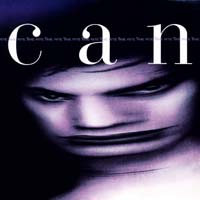 1989Rite Time
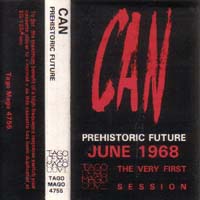 1984Prehistoric Future
 1978CAN
 1973Future Days
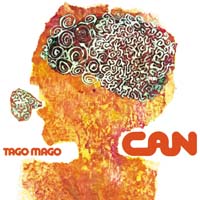 1971Tago Mago