
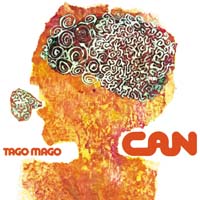
A closer look at Can-Tago Mago's album Tago Mago
Album overview
"Tago Mago," released in 1971 by the German experimental rock band Can, is often hailed as a landmark album in the genre of krautrock. The album was released on the United Artists label and is notable for its innovative approach to sound and form. Recorded at Schloss Nörvenich, the album features a blend of improvisational music, complex rhythms, and avant-garde techniques that set it apart from contemporary rock music.
The lineup for "Tago Mago" includes the band's core members: Holger Czukay, Michael Karoli, Jaki Liebezeit, Irmin Schmidt, and Damo Suzuki, who provided unique vocal contributions. The album consists of several tracks, including the iconic "Halleluwah," which showcases the band's signature sound characterized by a fusion of rock, electronic, and jazz elements. The album's experimental nature was further enhanced by the production techniques employed, such as tape manipulation and studio effects.
Significance: "Tago Mago" is recognized not only for its musical innovation but also for its influence on subsequent genres, including post-punk and electronic music. The album has been cited as a significant inspiration by numerous artists and bands, cementing its status as a cornerstone in the evolution of modern music.
Review
The sound of "Tago Mago" is a mesmerizing journey through avant-garde landscapes, where each track unfolds like an exploration into the unknown. The album begins with "Paperhouse," which sets a hypnotic tone with its repetitive rhythms and ethereal vocals. This is followed by "Halleluwah," a sprawling 18-minute odyssey that perfectly encapsulates Can's ability to balance chaos and structure. The lyrics, often abstract and surreal, invite listeners into a world where traditional song forms dissolve into freeform expression.
Can's artistic vision in "Tago Mago" is marked by a fearless experimentation that breaks boundaries. The use of unconventional instruments and the incorporation of non-linear songwriting reflect a daring approach that was ahead of its time. The interplay between Suzuki's vocals and the instrumental prowess of the band creates an immersive listening experience that continues to resonate with audiences today.
Highlights
- The innovative blending of various musical genres, creating a unique sound.
- The album's influence on future artists and genres, solidifying its place in music history.
- The exceptional musicianship of the band, particularly in the improvisational sections.
Weak points
- The experimental nature may not appeal to all listeners, particularly those preferring conventional song structures.
- Some tracks may feel excessively long or meandering to casual listeners.
- The abstract lyrics might be difficult to interpret for those seeking straightforward themes.
Overall evaluation
"Tago Mago" stands as a monumental achievement in the realm of experimental music, showcasing Can's ability to push the boundaries of sound and structure. Its lasting impact on the music scene is undeniable, making it a must-listen for any serious music lover.
Personal rating: 9/10 ``` 2003Can / Out of Reach
 1989Rite Time
 1984Prehistoric Future
 1978CAN
 1973Future Days