ALBUM NOTESAlbum spotlight: Can-Prehistoric Future – Prehistoric Future
Album overview
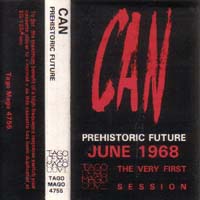
"Prehistoric Future" is an album by the German experimental rock band Can, released in 1974. Part of the influential Krautrock movement, Can's sound on this album is characterized by its innovative blending of rock, jazz, and avant-garde elements. The album was produced by the band itself and released through their own label, Spoon Records. Recorded at their inner-city studio in Cologne, Can's lineup during this period included Holger Czukay, Michael Karoli, Jaki Liebezeit, and Damo Suzuki, whose eclectic vocal style contributed significantly to the band's unique sound.
"Prehistoric Future" features tracks that showcase Can's ability to experiment with rhythm and structure. Notable songs include "Dancing, Dancing," a pulsating track that exemplifies their rhythmic complexity, and "Come Sta, La Luna," which highlights Suzuki's ethereal vocals intertwined with hypnotic instrumentals. The album's art and presentation reflect a deep connection to the avant-garde culture of the 1970s, challenging traditional norms of music production.
Musically, "Prehistoric Future" stands out for its ability to transport listeners into a realm where sound becomes a fluid experience, pushing boundaries of what rock music could achieve. The album has been influential in shaping genres beyond Krautrock, including post-punk and electronic music, resonating with future generations of musicians and listeners alike.
Review
"Prehistoric Future" is a testament to Can's pioneering spirit and their relentless pursuit of sonic experimentation. The album's sound palette is rich and varied, employing a combination of organic instrumentation and electronic influences that create a mesmerizing auditory landscape. Tracks like "Dancing, Dancing" encapsulate the band's signature sound, merging infectious grooves with intricate arrangements that keep listeners engaged throughout the listening experience.
Lyrically, the album embraces abstraction, with Damo Suzuki's vocals often serving more as an instrument than a means of conveying direct messages. This artistic choice enhances the immersive quality of the album, allowing listeners to interpret the music in a personal context. The production is raw yet polished, a reflection of the band's ethos of authenticity, where spontaneity meets meticulous craftsmanship.
Overall, "Prehistoric Future" is not just an album, it is an experience that invites listeners to explore the boundaries of music. Its innovative spirit and artistic vision place it among the essential works of the 1970s, demonstrating Can's role as a catalyst for change in the landscape of modern music.
Highlights
- Innovative sound that blends various genres seamlessly.
- Exceptional musicianship and rhythmic complexity.
- Timeless influence on future music genres and artists.
Weak points
- Abstract lyrics may not resonate with all listeners.
- Production style may feel dated to some modern audiences.
- Some tracks may require multiple listens to fully appreciate.
Overall evaluation
"Prehistoric Future" stands as a landmark album in the realm of experimental rock, showcasing Can's innovative spirit and lasting impact on music. Its blend of avant-garde and rock elements creates an engaging listening experience that remains relevant today.
Personal rating: 9/10
```

 2003Can / Out of Reach
 1989Rite Time
 1978CAN
 1973Future Days
 1971Tago Mago