

Soft Machine returns with Seven
Seven- Album Overview
Released in 1973, "Seven" is the seventh studio album by the British jazz fusion band Soft Machine. This album marked a significant point in the band's evolution, showcasing their blend of jazz, progressive rock, and experimental music. It was released under the label CBS Records and produced by the band's longtime collaborator, Mike Ratledge, who also played keyboards and contributed to the composition of many tracks. The album features a lineup that includes prominent members such as Karl Jenkins on oboe, saxophone, and keyboards, and Roy Babbington on bass guitar, further solidifying the band's unique sound.
"Seven" was recorded during a period when Soft Machine was transitioning into a more avant-garde style, moving away from their earlier psychedelic influences. The album consists of eight tracks, including notable pieces like "Hazard Profile," which showcases the band's intricate musical arrangements and improvisational prowess. The album's sound is characterized by complex time signatures, intricate melodies, and a distinct fusion of jazz and rock elements, which was a hallmark of the Canterbury Scene—a musical movement that Soft Machine was central to.
The album did not produce any major singles but still resonated with fans of the genre, reflecting the band's commitment to artistic experimentation. In terms of cultural significance, "Seven" is often regarded as a pivotal work within Soft Machine's discography, highlighting their influence on the progressive rock and jazz fusion movements of the 1970s. Its innovative approach to composition and performance continues to inspire musicians and is celebrated by enthusiasts of the genre.
Review
"Seven" is a testament to Soft Machine's ability to push boundaries while maintaining a distinct identity. The album opens with "Hazard Profile," a multi-part suite that encapsulates the band's characteristic blend of improvisation and structured composition. The intricate interplay between Jenkins' woodwinds and Ratledge's keyboards creates a soundscape that is both challenging and rewarding. The adventurous spirit of this album is evident in tracks like "The Man Who Waved at Trains," which showcases the band's knack for creating atmospheric soundscapes that invite listeners to explore further.
While the album may not have the accessibility of mainstream rock, it offers a deep dive into the technical prowess and artistic vision of the band. The lack of traditional song structures in favor of extended improvisations may alienate some listeners, but for those willing to engage, "Seven" reveals layers of musical complexity and a sonic adventure that few bands have dared to undertake. Overall, the album stands as a bold statement of Soft Machine's artistic integrity.
Highlights
- Intricate and innovative compositions that showcase the band's musicianship.
- The successful blend of jazz elements with progressive rock, creating a unique sound.
- Engaging improvisational sections that invite active listening and reflection.
Weak points
- Potentially inaccessible for casual listeners due to its experimental nature.
- Lack of catchy singles may limit mainstream appeal.
- Some tracks may feel meandering or overly complex for those unfamiliar with the genre.
Overall evaluation
"Seven" is a challenging yet rewarding listen that showcases Soft Machine's artistic evolution and commitment to pushing musical boundaries. It is a significant entry in their discography and a must-listen for fans of jazz fusion and progressive rock.
Personal rating: 8/10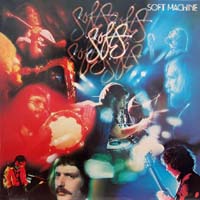 1976Softs