

Diving deep into Third by Soft Machine
Third- Album Overview
Released in 1970, "Third" is the third studio album by the British avant-garde rock band Soft Machine. This landmark album was issued on the label CBS Records and is considered a pioneering work in the realms of progressive rock and jazz fusion. The band, known for its experimental approach, was formed in 1966 and featured a fluid lineup, but during the recording of "Third," it included key members such as Robert Wyatt, Hugh Hopper, Mike Ratledge, and Elton Dean. The album was recorded at the famous Advision Studios in London, where the group sought to push the boundaries of conventional music.
"Third" consists of four lengthy tracks, each showcasing a unique blend of rock, jazz, and electronic influences. Notable tracks include "Facelift," "Slightly All the Time," and "Moon in June," with the latter featuring a distinctive lyrical style that reflects the band's progressive ethos. The album is marked by its innovative use of instrumentation, including the incorporation of saxophones, keyboards, and a variety of percussion instruments, which contributed to its rich, textured sound. The production was groundbreaking for its time, employing techniques that would later influence countless musicians across genres.
While "Third" did not produce any commercial singles, its impact on the music scene was profound, as it challenged existing norms and paved the way for future explorations in jazz-rock fusion. The album encapsulates the spirit of the late 1960s and early 1970s counterculture, where artists sought to defy convention and explore new artistic territories. "Third" stands as a testament to Soft Machine's creativity and their role in shaping the landscape of progressive music.
Review
Soft Machine's "Third" is a sprawling, ambitious work that defies simple categorization. The album is characterized by its lengthy tracks, which blend intricate musicianship with a free-form aesthetic. The sound is a rich tapestry of jazz-inflected melodies, experimental rock structures, and avant-garde sensibilities. Each track invites listeners to embark on a sonic journey, with moments of improvisation that showcase the individual talents of the band members. Lyrically, the album diverges from traditional song structures, opting instead for a stream-of-consciousness approach that complements the music's exploratory nature.
The artistic vision behind "Third" reflects a desire not only to entertain but to provoke thought and emotion. The album's jazz influences are particularly salient in tracks like "Facelift," where complex rhythms and time signatures take precedence over conventional verse-chorus arrangements. This approach ultimately results in a diverse listening experience, appealing to fans of both rock and jazz. However, the album's challenging nature may alienate those seeking more mainstream sounds, marking it as a polarizing piece in Soft Machine's discography.
Highlights
- Innovative blend of jazz and rock elements.
- Complex and intricate musicianship from all band members.
- Groundbreaking production techniques that influenced future genres.
Weak points
- Lengthy tracks may deter casual listeners.
- Lack of conventional song structures can be challenging to digest.
- Limited commercial appeal compared to contemporaries.
Overall evaluation
"Third" is a remarkable achievement in the realm of progressive and avant-garde music. Its experimental nature and rich textures make it a must-listen for fans of the genre, although it may be less accessible to those unfamiliar with its style. The album's legacy continues to resonate, influencing countless artists over the decades.
Personal rating: 9/10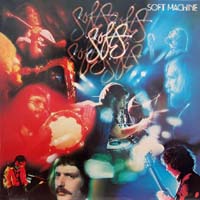 1976Softs