ALBUM NOTESSix: the story Soft Machine wants to tell
Six- Album Overview
Soft Machine's "Six," released in 1973, is a pivotal entry in the band's discography, marking a distinctive evolution in their sound and style. Released under the label CBS Records, "Six" showcases the band's shift towards a more jazz-oriented fusion, diverging from their earlier psychedelic rock roots. The album was recorded at Sound Techniques in London and produced by the band itself, featuring a lineup that included notable musicians such as saxophonist and flautist Karl Jenkins, guitarist Alan Wakeman, bassist Roy Babbington, and drummer John Marshall.
"Six" comprises seven tracks, each contributing to a cohesive narrative that explores themes of complexity and improvisation. The album's tracks, including "The Man Who Waved at Trains" and "The Tale of Taliesin," encapsulate the band's intricate arrangements and innovative approach to composition. The album did not release any singles; however, it has been critically acclaimed for its artistic ambition and is often regarded as one of Soft Machine's finest works.
Culturally, "Six" reflects the broader context of the progressive rock and jazz fusion movements of the early 1970s, where bands were increasingly experimenting with form, structure, and musical genres. The album's combination of jazz improvisation with rock elements set it apart and has influenced countless musicians across genres. Its release helped solidify Soft Machine's reputation as pioneers in blending complex musical styles and remains a significant contribution to the progressive rock canon.
Review
"Six" is a masterclass in intricate musicianship, characterized by its fluid transitions and deep improvisational flair. The album opens with a rich tapestry of sound that showcases each member's virtuosity. Jenkins' saxophone melodies intertwine seamlessly with Babbington's bass lines, creating a textured soundscape that is both engaging and challenging. The absence of traditional song structures enables the band to explore musical motifs with a freedom that feels both liberating and cohesive.
Lyrically, the album is more abstract, often eschewing narrative for mood and atmosphere, reflecting the band's jazz influences. This approach invites listeners to immerse themselves in the sonic journey rather than focusing solely on lyrical content. The artistic vision behind "Six" is one of exploration and experimentation, embodying a spirit of innovation that resonates throughout the album.
However, the complexity of the music may not appeal to all listeners, as its avant-garde tendencies can at times feel inaccessible. Nevertheless, for those who appreciate the fusion of jazz and rock, "Six" offers an enriching experience that rewards repeated listens.
Highlights
- Intricate musicianship that showcases the band's virtuosity.
- Cohesive and adventurous soundscapes that push musical boundaries.
- A significant contribution to the genres of jazz fusion and progressive rock.
Weak points
- Complexity may alienate casual listeners.
- Absence of catchy hooks typical in mainstream music.
- Some tracks may feel prolonged or indulgent for certain tastes.
Overall evaluation
"Six" by Soft Machine stands as a remarkable testament to the band's innovative spirit and musical prowess. It captures a unique moment in the evolution of progressive rock and jazz fusion, making it a must-listen for enthusiasts of both genres.
Personal rating: 8/10


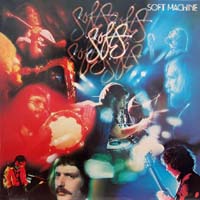 1976Softs