
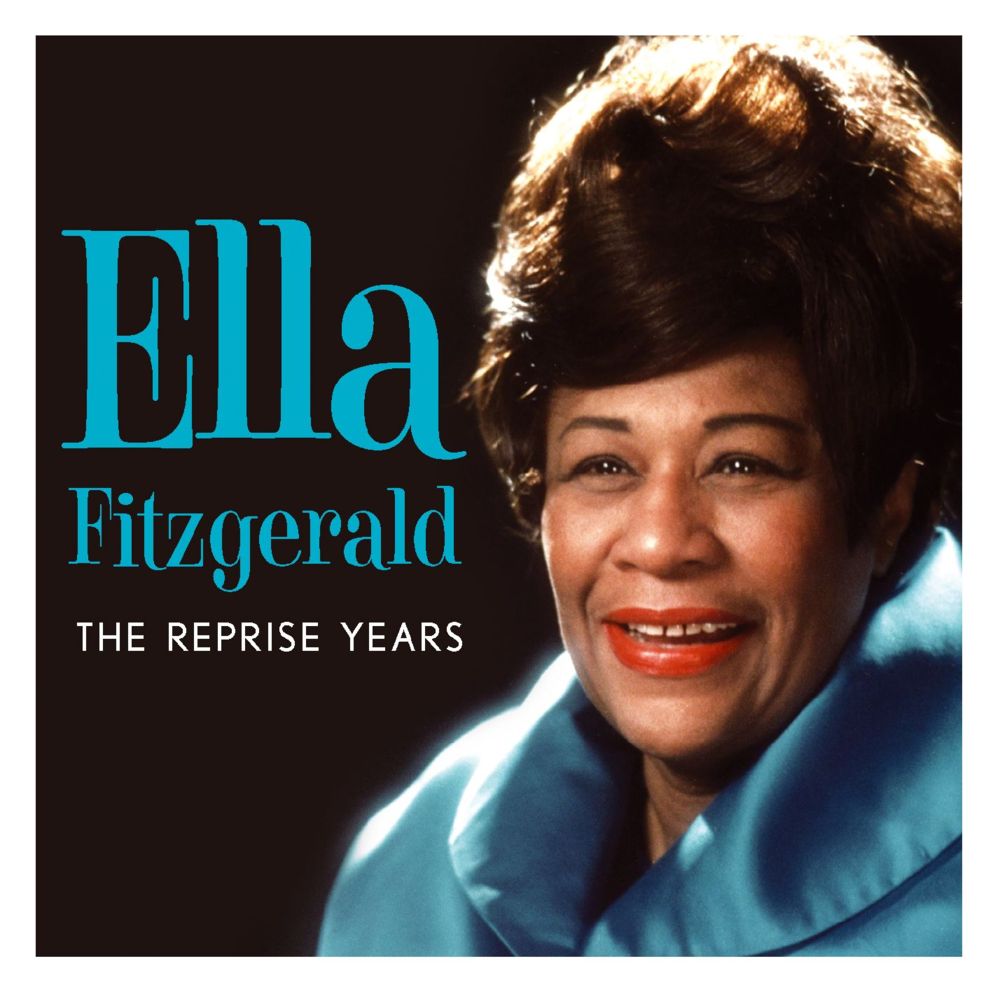
Is Things Ain’t What They Used To Be (and You Better Ella Fitzgerald's best work yet?
Things Ain’t What They Used To Be (and You Better - Album Overview
“Things Ain’t What They Used To Be (and You Better)” is a notable album by the legendary jazz vocalist Ella Fitzgerald, released in 1962 under the Verve Records label. This album is a remarkable showcase of Fitzgerald's ability to blend jazz with elements of blues and pop, capturing the essence of the era while also pushing musical boundaries. The recording sessions took place in Los Angeles and New York, featuring a diverse array of talented musicians and arrangers, including the renowned Billy May, who contributed to the album's lush orchestrations.
The album consists of a rich selection of tracks that highlight Fitzgerald's versatility and emotional depth, including the title track “Things Ain’t What They Used To Be.” This song, along with others on the album, reflects the societal changes and uncertainties of the 1960s, resonating with listeners on a personal and cultural level. The album explores themes of nostalgia, love, and loss, marked by Fitzgerald's impeccable phrasing and heartfelt delivery.
Fitzgerald was known for her collaborations with some of the greatest jazz musicians, and this album is no exception, featuring contributions from accomplished instrumentalists that complement her vocals beautifully. The production quality is top-notch, a hallmark of Verve Records during this period, ensuring that every note is crisp and vibrant. The album's singles, particularly the title track, received considerable airplay and continue to be celebrated in jazz circles today, solidifying Fitzgerald's legacy as one of the greatest singers of her generation.
Review
The sound of “Things Ain’t What They Used To Be (and You Better)” is a masterclass in jazz vocalization, with Fitzgerald's signature style shining through in every track. Her ability to convey complex emotions through her voice is unparalleled, and this album is a testament to her artistic vision. The arrangements are sophisticated yet accessible, allowing her vocals to take center stage while providing a rich backdrop of instrumentation.
Lyrically, the album grapples with the disillusionment and challenges of the era, making it not just a collection of songs but a narrative that resonates deeply with listeners. Fitzgerald’s interpretations breathe new life into each song, transforming them into personal experiences that many can relate to. The artistic vision behind the album melds traditional jazz elements with contemporary themes, showcasing Fitzgerald's adaptability as an artist.
Highlights
- Exceptional vocal performance showcasing Ella's range and emotional depth.
- Rich orchestral arrangements that enhance the overall listening experience.
- Thematically relevant lyrics that resonate with the cultural landscape of the 1960s.
Weak points
- Some tracks may feel dated to modern audiences unfamiliar with the era.
- Occasional overproduction that could overshadow Fitzgerald's powerful voice.
- Lack of diversity in musical styles throughout the album may limit appeal.
Overall evaluation
“Things Ain’t What They Used To Be (and You Better)” stands as a significant entry in Ella Fitzgerald's discography, showcasing her unparalleled talent and the cultural relevance of her music during a transformative period in American history. While it has its shortcomings, the album is ultimately a rich tapestry of sound and emotion that continues to resonate with jazz enthusiasts and newcomers alike.
Personal rating: 8/10 1966Ella Fitzgerald
 1958The Irving Berlin Songbook
 1956Ella Fitzgerald Sings the Cole Porter Song Book