
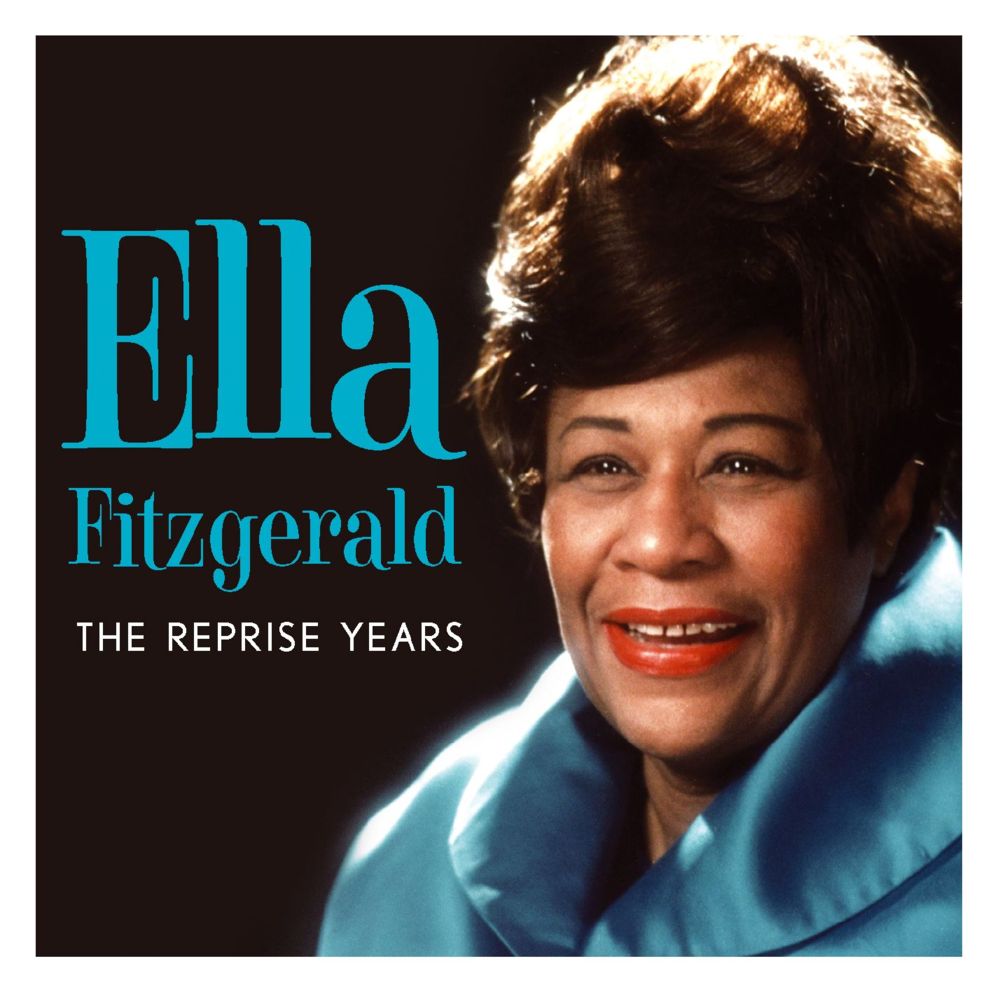
Breaking down the themes in The Best Is Yet To Come by Ella Fitzgerald
The Best Is Yet To Come- Album Overview
"The Best Is Yet To Come" is a studio album by the legendary jazz vocalist Ella Fitzgerald, released in 1962 under the Verve Records label. This album is a quintessential example of Fitzgerald's ability to interpret songs with deep emotional resonance while showcasing her remarkable vocal prowess. Produced by the acclaimed Norman Granz, the album features a collection of songs primarily composed by the notable songwriting duo, Cy Coleman and Carolyn Leigh. The album includes classics such as the title track "The Best Is Yet To Come," alongside other gems like "When in Rome" and "You're a Sweetheart." Fitzgerald's collaboration with talented arrangers and musicians, including the likes of the renowned Bill Holman, adds layers of sophistication and richness to the arrangements, creating a harmonious blend of jazz and pop. The recording sessions took place in the early 1960s, a period marked by a significant evolution in the jazz genre, where traditional forms began to merge with contemporary influences. This album stands as a testament to Fitzgerald's adaptability and her commitment to evolving with the times. Thematically, the album explores concepts of hope, resilience, and the anticipation of better days ahead, making it particularly poignant during a time of cultural change in America. "The Best Is Yet To Come" not only showcases Fitzgerald's technical abilities but also her capacity to convey profound emotional truths, securing her legacy as one of the greatest vocalists in jazz history.
Review
The sound of "The Best Is Yet To Come" is characterized by its lush orchestration and Fitzgerald's impeccable sense of timing and phrasing. Each track is imbued with a sense of optimism and joy, yet there are moments of introspection that add depth to the listening experience. Fitzgerald's interpretation of the title track is particularly noteworthy; she imbues it with a playful yet powerful energy that resonates with listeners long after the final note fades. The lyrics, crafted with care, echo themes of perseverance and the excitement of future possibilities, which are accentuated by Fitzgerald's dynamic vocal delivery. The album's production is polished, yet it retains an organic feel that allows Fitzgerald's voice to shine. The arrangements are intricate without overshadowing the lead vocals, a testament to the careful balance struck by Granz and the arranging team. Fitzgerald's ability to convey the emotional weight of the lyrics while maintaining her signature vocal agility highlights her artistry and deep connection to the material. Overall, the album serves as a beacon of hope and joy, encouraging listeners to embrace the future with optimism.
Highlights
- Ella Fitzgerald's exceptional vocal range and emotive delivery shine throughout the album.
- The sophisticated arrangements and orchestration enhance the overall listening experience.
- Thematically rich lyrics that resonate with feelings of hope and anticipation.
Weak points
- Some listeners may find the orchestral arrangements too lush for their taste.
- A few tracks may feel less impactful compared to the standout title track.
- The album's production style reflects its era, which might not appeal to all contemporary audiences.
Overall evaluation
"The Best Is Yet To Come" remains a remarkable example of Ella Fitzgerald's artistry, capturing her ability to convey complex emotions through song. The album not only showcases her vocal talent but also encapsulates a period of hope and change in American music. It holds a timeless appeal that continues to resonate with listeners today.
Personal rating: 9/10 1966Ella Fitzgerald
 1958The Irving Berlin Songbook
 1956Ella Fitzgerald Sings the Cole Porter Song Book