
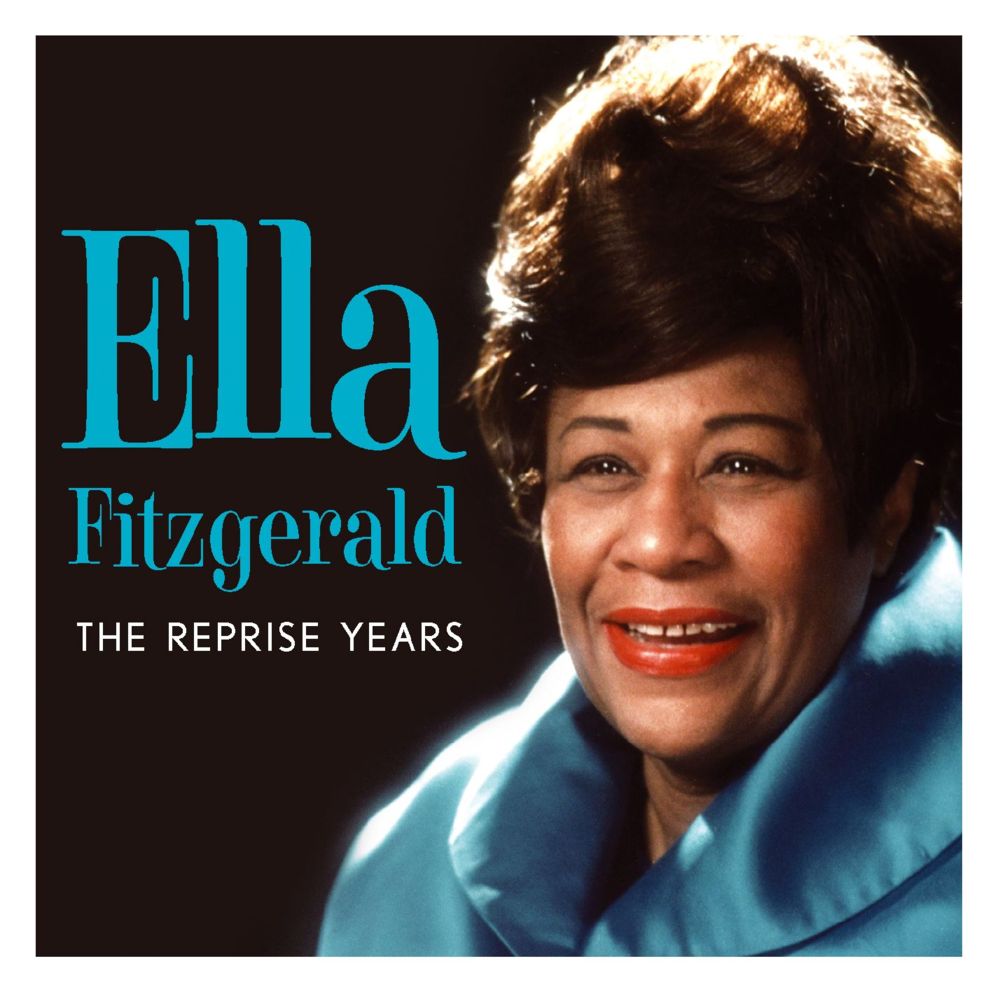
From intro to finale: what The First Lady Of Song delivers
The First Lady Of Song- Album Overview
"The First Lady of Song," released in 1956, stands as a testament to the extraordinary talent of Ella Fitzgerald, one of the most celebrated jazz vocalists of all time. This album was released under the Verve Records label, a significant platform for jazz artists during the mid-20th century, particularly known for its commitment to high-quality recordings and innovative collaborations. Fitzgerald, often referred to as the "First Lady of Song," is celebrated for her impeccable vocal technique, emotional depth, and ability to interpret a wide range of musical genres, primarily jazz and pop standards.
The album features a collection of tracks that showcase Fitzgerald's extraordinary range and improvisational skills, including classics like "Someone to Watch Over Me" and "Summertime." The production of the album involved collaborations with prominent musicians and arrangers of the time, including the likes of Nelson Riddle, who provided lush orchestral arrangements that beautifully complemented Fitzgerald's voice.
The cultural significance of "The First Lady of Song" cannot be understated. It played a crucial role in introducing jazz to a broader audience and solidifying Fitzgerald's status as a leading figure in the genre. The album’s release comes during a pivotal time in American history, as jazz was becoming increasingly recognized as a vital form of artistic expression. The singles released from the album contributed to Fitzgerald's legacy, demonstrating her ability to cross genre boundaries and resonate with audiences worldwide. With its timeless quality, "The First Lady of Song" continues to influence aspiring musicians and remains a staple in the repertoire of jazz enthusiasts.
Review
The sound on "The First Lady of Song" is nothing short of enchanting. Fitzgerald's voice is rich and velvety, effortlessly navigating complex melodies and intricate rhythms. The arrangements are lush and sophisticated, allowing her vocal prowess to shine without overshadowing the instrumentation. The production captures the essence of the mid-50s jazz scene, blending traditional jazz elements with orchestral textures that elevate the listening experience.
Lyrically, Fitzgerald's interpretations breathe new life into classic standards, her phrasing and emotional delivery adding depth to every song. Her artistic vision is evident throughout the album, as she skillfully conveys a range of emotions—from longing and heartache to joy and celebration. The seamless transitions between tracks create a cohesive narrative, making it easy for listeners to become immersed in the music.
Highlights
- Fitzgerald's extraordinary vocal range and control, which captures the listener's attention.
- Beautiful orchestral arrangements that complement and enhance her voice.
- A timeless collection of jazz standards that showcases the best of Fitzgerald's artistry.
Weak points
- Some tracks may feel dated to modern listeners unfamiliar with the genre.
- The orchestral arrangements, while luxurious, might overshadow the subtlety of Fitzgerald's vocals in certain instances.
- A lack of original compositions, as the album primarily features covers of jazz standards.
Overall evaluation
"The First Lady of Song" is an essential addition to any jazz collection, showcasing Ella Fitzgerald at the height of her powers. The album is a celebration of her artistry, filled with emotional depth and musical sophistication. It stands as a significant cultural artifact that captures the essence of jazz's golden age.
Personal rating: 9/10 1966Ella Fitzgerald
 1958The Irving Berlin Songbook
 1956Ella Fitzgerald Sings the Cole Porter Song Book