
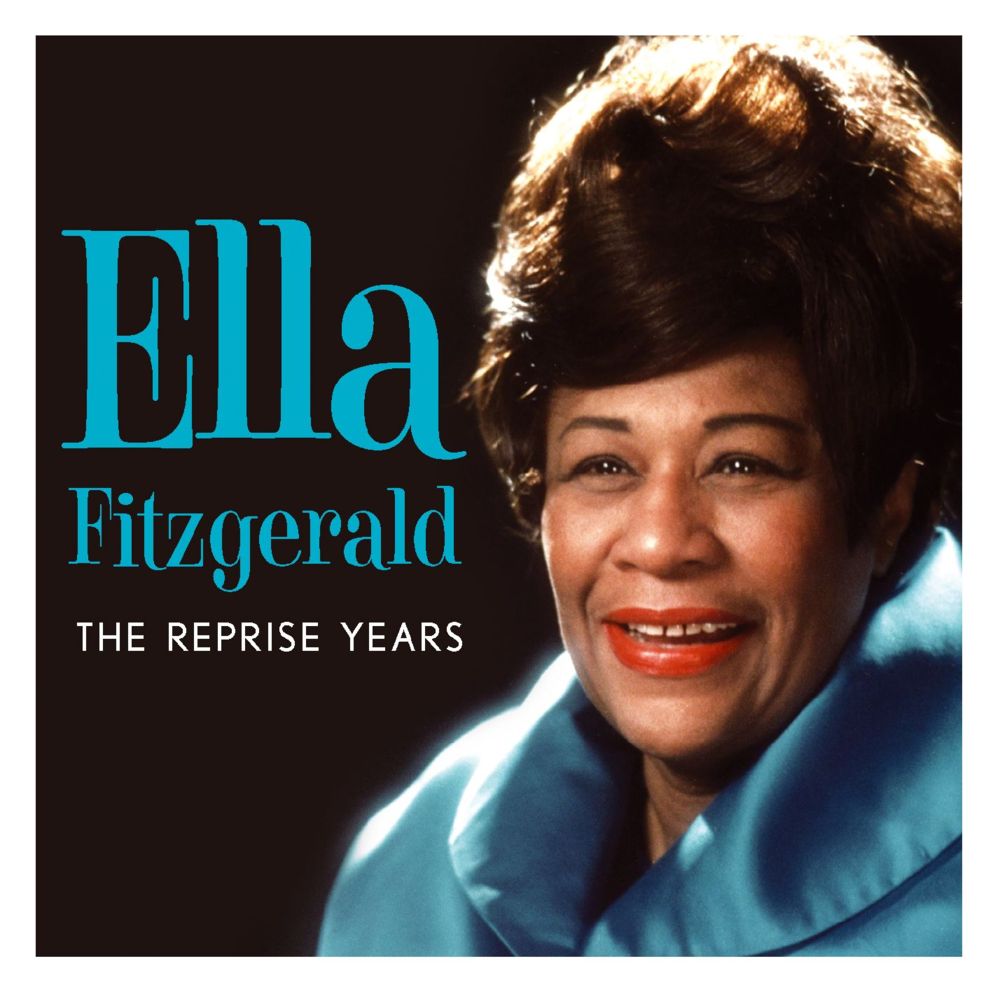
Inside the atmosphere of Ella Fitzgerald's Ella Fitzgerald Sings The Irving Berlin Song Book
Ella Fitzgerald Sings The Irving Berlin Song Book- Album Overview
Released in 1958, "Ella Fitzgerald Sings The Irving Berlin Song Book" is a pivotal album that showcases the legendary jazz vocalist's extraordinary ability to interpret the timeless compositions of one of America's greatest songwriters, Irving Berlin. This album is part of Fitzgerald's extensive songbook series, where she pays tribute to notable composers and lyricists, and it stands out not only for its artistic brilliance but also for its cultural significance during a period of burgeoning civil rights movements in America. The album was recorded under the Verve label, produced by the renowned Norman Granz, a key figure in jazz who helped elevate Fitzgerald's career.
The recording sessions took place in 1957 and featured a stellar ensemble of musicians, including the likes of Oscar Peterson on piano and the accompanying orchestration led by Nelson Riddle. The album consists of 12 tracks, each highlighting Berlin's remarkable range from upbeat numbers like "Cheek to Cheek" to poignant ballads like "What'll I Do?" The album's singles, including "Let's Face the Music and Dance" and "I've Got My Love to Keep Me Warm," received critical acclaim and showcased Fitzgerald's impeccable phrasing and emotional depth. The cultural relevance of the album cannot be overstated, as it not only celebrates Berlin's contributions to American music but also highlights Fitzgerald's role in bridging racial divides through her universally appealing music.
Review
Ella Fitzgerald's "Sings The Irving Berlin Song Book" is a masterclass in vocal artistry. Fitzgerald's voice, with its rich timbre and effortless range, breathes new life into Berlin's classic tunes. The album showcases her ability to convey emotion and storytelling through her interpretations. Each track is executed with precision, emphasizing her skill in jazz improvisation while remaining true to the integrity of the original compositions. The arrangements are lush yet subtle, allowing Fitzgerald's voice to shine without overpowering the melodic lines. This delicate balance is a testament to the collaborative spirit of the musicians involved, particularly the synergy between Fitzgerald and pianist Oscar Peterson. The album's production captures the warmth and intimacy of a live performance, drawing listeners into the atmosphere of a jazz club where Fitzgerald's effortless charm and charisma can be fully appreciated.
Highlights
- Fitzgerald's breathtaking vocal range and emotional delivery
- Brilliant arrangements that complement the lyrical content of the songs
- The historical significance of the album in promoting racial unity through music
Weak points
- Some listeners may find the orchestration a bit dated by modern standards
- The album may lack the raw spontaneity found in live performances
- Not all listeners may appreciate the traditional jazz style over contemporary interpretations
Overall evaluation
Ultimately, "Ella Fitzgerald Sings The Irving Berlin Song Book" is a timeless tribute to both Fitzgerald's unparalleled talent and Berlin's enduring legacy as a composer. This album not only captures the essence of jazz but also serves as a cultural touchstone that resonates through generations. It is an essential listen for enthusiasts of jazz and American music alike.
Personal rating: 9/10 1966Ella Fitzgerald
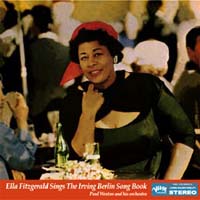 1958The Irving Berlin Songbook
 1956Ella Fitzgerald Sings the Cole Porter Song Book