
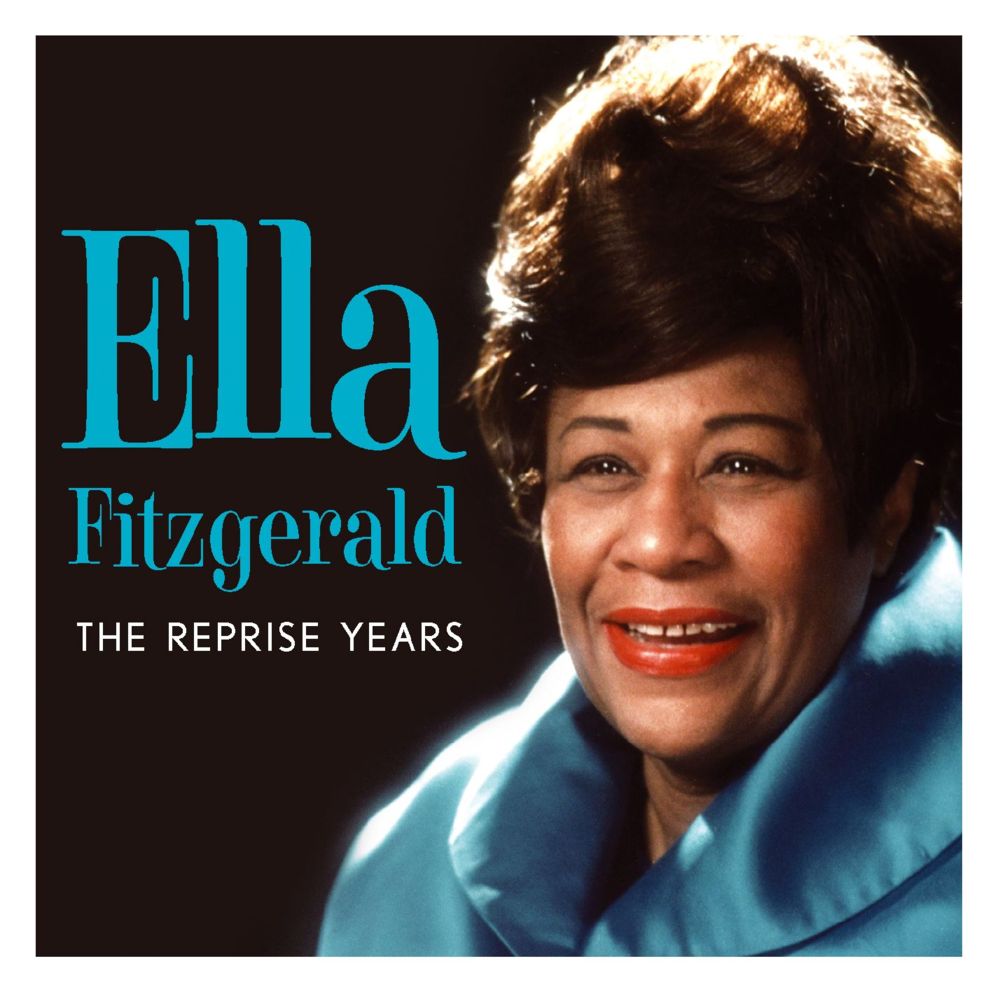
Ella Sings Gershwin: what Ella Fitzgerald wants you to feel
Ella Sings Gershwin- Album Overview
"Ella Sings Gershwin" is a celebrated album by the legendary jazz vocalist Ella Fitzgerald, released in 1950 under the Verve Records label. This album is a tribute to the iconic American composer George Gershwin, featuring a collection of his most beloved songs. The project showcases Fitzgerald's extraordinary vocal range and her ability to convey deep emotion through music. The album was produced by Norman Granz, who played a pivotal role in Fitzgerald's career, helping to elevate her status in the jazz world.
The recording sessions took place in the late 1940s and early 1950s, during which Fitzgerald collaborated with a talented group of musicians, including the notable arranger and conductor Paul Weston. The album includes a mix of jazz standards such as "Summertime," "I Got Rhythm," and "Someone to Watch Over Me," which highlight Gershwin's genius in blending classical and jazz elements.
"Ella Sings Gershwin" is not just a collection of songs; it represents a significant cultural moment in jazz history, bridging the gap between classical music and popular jazz. Fitzgerald's interpretations of Gershwin's work have been lauded for their innovative phrasing and emotive power, making her one of the most revered interpreters of his music. The album has influenced countless artists and remains a staple in jazz repertoire, illustrating the enduring legacy of both Fitzgerald and Gershwin.
Review
In "Ella Sings Gershwin," Ella Fitzgerald effortlessly blends her smooth, sultry voice with the rich, complex melodies of George Gershwin. The album opens with "Oh, Lady Be Good!" where Fitzgerald's vocal agility is on full display, as she swings through the lyrics with a playful, infectious energy. Each track is a masterclass in phrasing, showcasing her ability to interpret the emotional depth of Gershwin’s music.
The arrangements are lush yet unobtrusive, allowing Fitzgerald’s voice to remain the focal point. The synergy between her vocal delivery and the instrumental backing creates an intimate atmosphere that invites the listener into the world of Gershwin’s compositions. Tracks like "Summertime" reveal a haunting, almost ethereal quality in Fitzgerald's voice, imbuing the song with a profound sense of longing.
Throughout the album, Fitzgerald's interpretations evoke a range of feelings, from joy to melancholy, demonstrating her artistic vision and understanding of the material. Her ability to convey these emotions not only honors Gershwin’s legacy but also cements her status as one of the greatest jazz vocalists of all time.
Highlights
- Exceptional vocal performance that showcases Fitzgerald's range and emotional depth.
- Beautiful arrangements that blend jazz with classical influences, enhancing the listening experience.
- Timeless tracks that have become standards in both jazz and popular music.
Weak points
- Some may find the production style of the era slightly dated compared to contemporary recordings.
- Lack of original compositions; the album consists solely of Gershwin covers, which may not appeal to all listeners.
- The album's pacing could feel uneven with certain tracks overshadowing others in terms of emotional impact.
Overall evaluation
"Ella Sings Gershwin" is a timeless tribute that encapsulates the brilliance of Ella Fitzgerald's artistry and the genius of George Gershwin. It is a masterful blend of vocal prowess and emotional storytelling that continues to resonate with audiences today.
Personal rating: 9/10 1966Ella Fitzgerald
 1958The Irving Berlin Songbook
 1956Ella Fitzgerald Sings the Cole Porter Song Book