
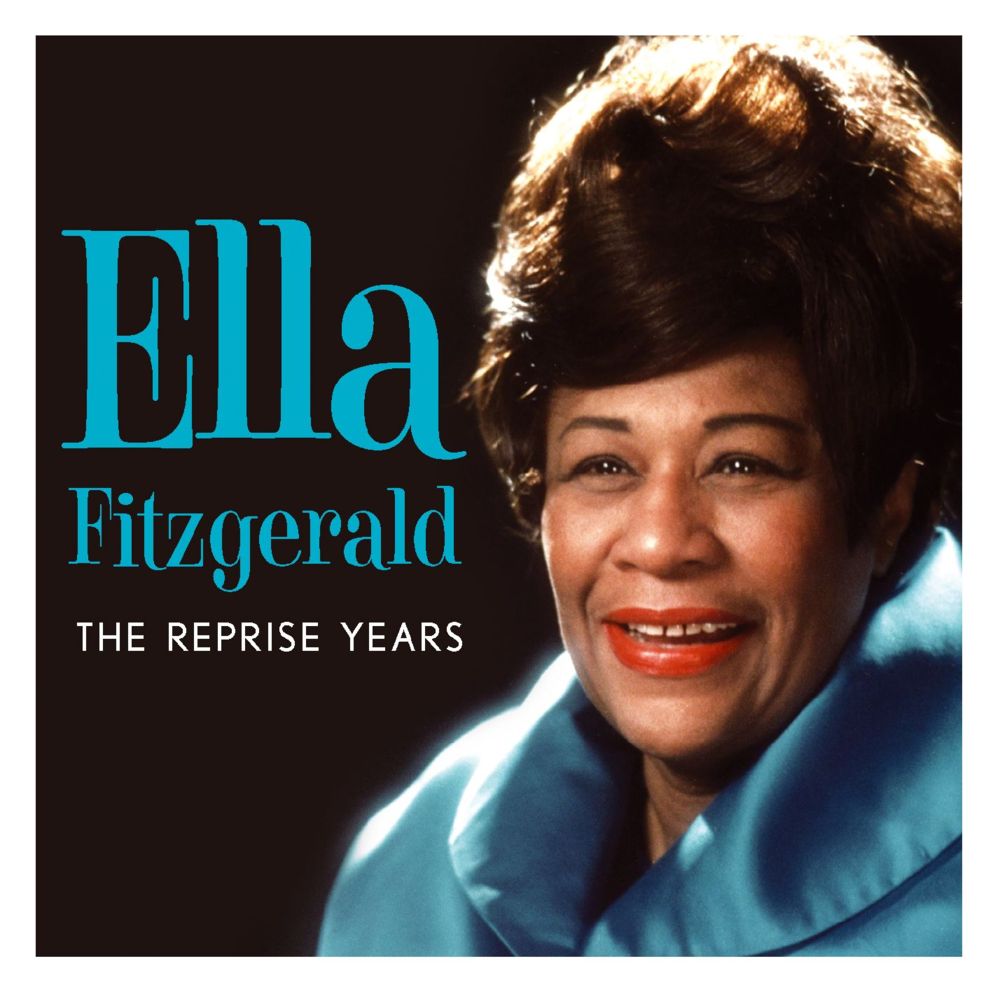
From intro to finale: what Ella Fitzgerald delivers
Ella Fizgerald- Album Overview
The album "Ella Fitzgerald," released in 1956 under the Verve Records label, is a compelling showcase of the artistry of the First Lady of Song. This album marks a significant moment in Fitzgerald's career, as it was part of her extensive collaboration with the acclaimed producer Norman Granz. Throughout the 1950s, Granz was instrumental in elevating Fitzgerald's profile, allowing her to reach new audiences and solidify her status as a jazz icon.
Featuring a collection of timeless tracks, this album encapsulates the essence of jazz and the sophistication of Fitzgerald's vocal style. The recording sessions took place in the midst of the jazz renaissance, highlighting a vibrant period for the genre. Collaborators on this project included notable musicians like Oscar Peterson, who contributed his exceptional piano skills, and Ray Brown on bass, along with other talented instrumentalists that provided rich accompaniment to Fitzgerald's soaring vocals.
Singles from the album, such as "Summertime" and "Someone to Watch Over Me," showcase her ability to evoke deep emotion and interpret complex lyrics with grace. The album not only reflects her technical prowess but also her deep understanding of the emotional weight of the songs she chose to perform. Musically, it stands as a testament to Fitzgerald's influence in popularizing jazz standards, making them accessible to a broader audience. This album remains a significant cultural artifact, illustrating the evolution of jazz in the mid-20th century and Fitzgerald's pivotal role in it.
Review
From the moment the first notes resonate, "Ella Fitzgerald" captivates with its intricate arrangements and Fitzgerald's remarkable vocal delivery. Her voice, a blend of power and delicacy, effortlessly navigates through the complex melodies and rhythms of jazz. The opening track sets a high standard, showcasing not just her technical skill but also her deep emotional connection to the material.
Lyrically, Fitzgerald brings a unique perspective to the songs, infusing them with personal meaning that resonates with listeners. Her interpretation of classics is nothing short of masterful, as she balances swing and sensitivity, creating an engaging listening experience. The production quality is exceptional, with clarity that allows each instrument to shine alongside Fitzgerald's vocals, making the album a rich auditory tapestry.
Artistically, this album represents a pivotal moment for Fitzgerald, highlighting her transition into a more mainstream jazz appeal while still retaining her roots. The cohesive flow of the album from start to finish demonstrates her understanding of the album format, creating a narrative that keeps listeners engaged throughout.
Highlights
- Exceptional vocal range and delivery from Ella Fitzgerald.
- Strong collaboration with renowned musicians, enhancing the overall sound.
- A diverse selection of timeless jazz standards that showcase her artistry.
Weak points
- Some tracks may not resonate with listeners unfamiliar with jazz conventions.
- Lack of original compositions may limit appeal to some audiences.
- The album's production style is reflective of its time, which may feel dated to modern ears.
Overall evaluation
Overall, "Ella Fitzgerald" is a remarkable album that showcases the unparalleled talent of one of jazz's greatest vocalists. It serves as both a historical document and a beautiful collection of music. For fans of jazz and newcomers alike, this album is an essential listen that exemplifies the genre's richness and Fitzgerald's enduring legacy.
Personal rating: 9/10 1966Ella Fitzgerald
 1958The Irving Berlin Songbook
 1956Ella Fitzgerald Sings the Cole Porter Song Book