

The Many Moods of Roy Orbison: exploring the world of Roy Orbison
The Many Moods of Roy Orbison- Album Overview
"The Many Moods of Roy Orbison," released in 1969, is a landmark album in the career of the Texas-born rock and roll icon Roy Orbison. Released under the MGM Records label, this album showcases Orbison's exceptional vocal range and unique songwriting ability, setting a standard for emotional depth in popular music. The album features a blend of rock, pop, and orchestral arrangements, reflecting Orbison's innovative approach to music production.
The album was produced by the legendary Fred Foster, who had previously collaborated with Orbison on several successful projects. "The Many Moods of Roy Orbison" features a total of 12 tracks, including notable singles such as "Only the Lonely" and "Blue Bayou," which highlight Orbison's penchant for poignant storytelling and haunting melodies. The recording sessions took place at RCA Victor Studios in Nashville, where Orbison's vocal prowess was complemented by an array of talented musicians, including members of the Nashville A-Team, known for their impeccable musicianship.
This collection is significant not only for its musical content but also for its cultural impact, as it encapsulates the emotional struggles and triumphs of its time. Orbison's ability to convey vulnerability through his lyrics and delivery resonated deeply with listeners, establishing him as a pioneer of the "heartfelt" genre of rock music. The album remains a testament to Orbison's artistry and continues to influence musicians across genres to this day.
Review
The album opens with the stirring track "Only the Lonely," which sets a tone of introspection and yearning that pervades throughout the collection. Orbison's voice is both powerful and delicate, perfectly capturing the essence of heartbreak and solitude. The orchestral arrangements enhance the emotional weight of the lyrics, making each song feel like a mini-opera. Songs like "Crying" and "Dream" showcase his ability to blend rock with classical influences, creating a sound that feels both timeless and innovative.
Lyrically, Orbison explores themes of love, loss, and longing with an authenticity that resonates deeply. His artistic vision is clear: to craft songs that evoke genuine emotion, often drawing from his own experiences. The production quality is impressive, with each track meticulously arranged to highlight Orbison's vocal strengths while allowing the instrumentation to complement rather than overshadow his performance. Overall, the album stands as a brilliant showcase of Orbison's multifaceted artistry.
Highlights
- Exceptional vocal range and emotional delivery from Roy Orbison
- Innovative blend of rock, pop, and orchestral elements
- Powerful storytelling that resonates with listeners
Weak points
- Some tracks may feel overly orchestrated for fans of raw rock sound
- A few songs lack the immediate catchiness of Orbison's earlier hits
- Limited commercial success compared to Orbison's most famous works
Overall evaluation
"The Many Moods of Roy Orbison" is a stunning exploration of emotional depth and artistic expression, solidifying Orbison's legacy as one of rock's most influential figures. While some tracks may not capture the instant appeal of his earlier hits, the album as a whole is a testament to his unique vision and vocal prowess.
Personal rating: 9/10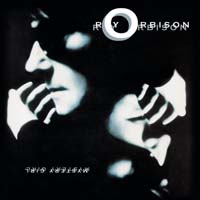 1989Mystery Girl
 1963In Dreams