
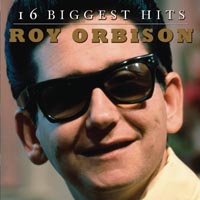
One week with Big O: thoughts on Roy Orbison
Big O- Album Overview
Released in 1969, "Big O" is a remarkable album by the legendary Roy Orbison, known for his emotive voice and intricate songwriting. This album was released under the MGM Records label and marked a significant moment in Orbison's career, showcasing his evolution as an artist. "Big O" was produced by the famed team of Orbison and his longtime collaborator, Fred Foster, who played a pivotal role in shaping the sound that Orbison became famous for. The album features a collection of tracks that highlight Orbison's unique blend of rock and roll, pop, and country influences, characterized by rich orchestral arrangements and poignant lyrics.
Among the standout tracks is "Life Fades Away," which captures the essence of Orbison's haunting vocal style and ability to convey deep emotion. Other notable songs include "Penny Arcade" and "The Crowd," both of which showcase his lyrical depth and melodic prowess. The album's production quality was ahead of its time, incorporating lush strings and harmonies that complemented Orbison's voice beautifully.
While "Big O" was not a massive commercial success upon its release, it has since been recognized for its artistic significance within Orbison's discography and the broader landscape of 1960s music. The album's themes of love, loss, and longing resonate deeply, making it a timeless piece that continues to influence artists across genres. In a culture that was rapidly evolving, Orbison's music provided an emotional anchor that spoke to the hearts of many.
Review
"Big O" stands as a testament to Roy Orbison's artistic vision and unparalleled vocal talent. The album deftly weaves together a tapestry of sound that ranges from the upbeat to the melancholic, demonstrating his ability to navigate complex emotions. The lyrics are introspective and reflective, often exploring themes of heartache, nostalgia, and the passage of time. Orbison’s soaring tenor, coupled with the lush musical arrangements, creates an immersive listening experience that is both captivating and haunting.
The production choices made throughout the album enhance its emotional weight, with strings and backing vocals complementing Orbison's distinctive style. Tracks like "The Crowd" and "Penny Arcade" highlight his knack for narrative songwriting, inviting listeners to connect with the stories he shares. Overall, the album stands as a remarkable example of how Orbison's artistry transcended the norms of his time, paving the way for future generations of musicians.
Highlights
- Orbison's powerful and emotive vocal delivery that captures a wide range of emotions.
- Rich orchestral arrangements that enhance the overall listening experience.
- Thoughtful lyrics that resonate with universal themes of love and loss.
Weak points
- Some tracks may feel dated in comparison to contemporary music.
- The album's pacing can occasionally feel uneven, impacting the overall flow.
- Limited commercial success may have overshadowed its artistic merit during its initial release.
Overall evaluation
In conclusion, "Big O" is a significant work that encapsulates Roy Orbison's unique artistry and emotional depth. While it may not have achieved the commercial success it deserved at the time, its impact on the music world is undeniable. This album is a must-listen for fans of classic rock and those seeking to explore the rich tapestry of 1960s pop music.
Personal rating: 8/10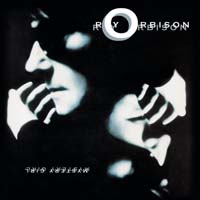 1989Mystery Girl
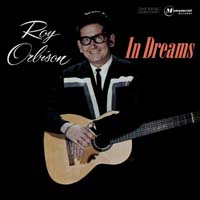 1963In Dreams