
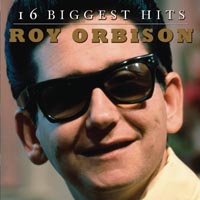
Listening guide: Roy Orbison's Roy Orbison Sings
Roy Orbison Sings- Album Overview
Released in 1970, "Roy Orbison Sings" marks a significant moment in the legendary artist's career, as it was his first album for the MGM label after leaving Monument Records. This self-titled album was recorded during a period of creative resurgence for Orbison, who had faced a challenging decade in the 1960s. The album showcases his distinctive, emotive vocal style, paired with lush orchestral arrangements that highlight his ability to convey deep emotion through music. The production was led by longtime collaborator and producer, Fred Foster, who played a crucial role in shaping the sound that Orbison had become known for.
The album features a mix of original songs and covers, including notable tracks like "The Big O" and "Penny Arcade," both of which exemplify Orbison's unique blend of rock, pop, and country influences. The recording sessions took place in Nashville, where Orbison's haunting melodies and poignant lyrics found a perfect backdrop amid the vibrant music scene of the time. "Roy Orbison Sings" includes contributions from several talented musicians, enhancing the rich tapestry of sound that accompanies Orbison's powerful voice.
Though not a commercial hit at the time of its release, "Roy Orbison Sings" has since been recognized for its artistic merit and cultural significance, particularly in the context of Orbison's influence on future generations of musicians. The album reflects a pivotal moment of transition for Orbison, who would go on to achieve renewed success in the 1980s, further solidifying his legacy as one of rock and roll's most enduring icons.
Review
The sound of "Roy Orbison Sings" is characterized by its lush orchestration and the unmistakable timbre of Orbison's voice, which drips with emotion and sincerity. From the opening track, listeners are greeted by a blend of tender ballads and upbeat numbers that showcase Orbison's versatility as an artist. Lyrically, the songs navigate themes of love, longing, and heartache, reflective of Orbison's own life experiences, making them resonate deeply with audiences. Orbison's artistic vision shines through in every track, as he skillfully balances the dramatic with the relatable. His ability to convey raw emotion through his vocal delivery is one of the album's standout features, making even the most familiar themes feel fresh and poignant. While some may argue that the orchestral arrangements at times overshadow his voice, they undeniably contribute to the overall atmosphere of the album, enhancing the emotional weight of each song.
Highlights
- Orbison's powerful and emotive vocal performances throughout the album.
- The rich orchestral arrangements that complement his unique sound.
- Standout tracks like "The Big O" and "Penny Arcade" that showcase his songwriting prowess.
Weak points
- Some orchestral arrangements may feel overly lush and detract from the rawness of Orbison's voice.
- The album's pacing can be uneven, with some tracks feeling less impactful than others.
- Limited commercial success at the time of release may have overshadowed its artistic achievements.
Overall evaluation
Overall, "Roy Orbison Sings" is a testament to Orbison's enduring talent and artistry, encapsulating a pivotal moment in his career that would set the stage for future successes. It remains a significant work that deserves greater recognition for its emotional depth and musical sophistication.
Personal rating: 8/10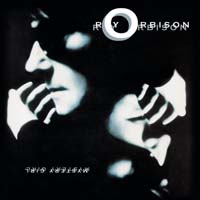 1989Mystery Girl
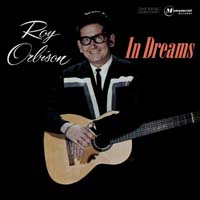 1963In Dreams