
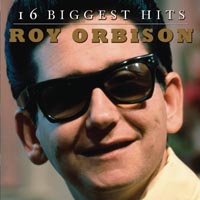
Roy Orbison returns with Only the Lonely
Only the Lonley- Album Overview
"Only the Lonely" is a seminal album by American rock and roll icon Roy Orbison, released on September 9, 1960, under the Monument Records label. This album marked a pivotal moment in Orbison's career, showcasing his unique blend of rockabilly, pop, and country influences. Produced by Fred Foster, "Only the Lonely" features Orbison's trademark soaring vocals and complex emotional narratives that resonate with listeners even today. The recording sessions took place in Nashville, where Orbison collaborated with an impressive roster of musicians, including guitarist Joe Melson, who co-wrote many of the album's tracks. The standout single from the album, "Only the Lonely (Know the Way I Feel)," became a major hit, reaching No. 2 on the Billboard Hot 100 chart and solidifying Orbison's status as a leading figure in the music industry. The album consists of 12 tracks, including classics like "Blue Angel" and "I Can't Stop Crying," which further demonstrate Orbison's ability to convey deep emotion through music. The lush orchestral arrangements and innovative production techniques employed by Foster contributed to a sound that was both sophisticated and accessible. "Only the Lonely" not only established Orbison as a major artist of the era but also influenced countless musicians across genres, earning him a lasting legacy in the rock and pop canon. Its exploration of themes such as heartbreak and longing resonated deeply with audiences, making it a significant cultural artifact of the early 1960s.
Review
Listening to "Only the Lonely," one is immediately struck by the emotional depth and technical prowess of Roy Orbison. The album opens with the title track, where Orbison's rich, haunting voice sets the tone for the entire collection. His ability to convey vulnerability and yearning in his performances is unparalleled, making each song feel personal and relatable. The orchestration complements his vocals beautifully, with lush strings and gentle guitar arrangements that enhance rather than overshadow the lyrical content. Lyrically, Orbison delves into themes of loneliness, love, and heartache, crafting narratives that feel timeless. Songs like "Blue Angel" showcase his storytelling ability, taking the listener on a journey through the complexities of relationships. The album's production is noteworthy, employing innovative techniques for the time, such as reverb and echo, which add a dreamlike quality to the music. Overall, "Only the Lonely" is a remarkable display of Orbison's artistic vision, blending rock and pop sensibilities while remaining deeply rooted in emotional truth.
Highlights
- Orbison's powerful and emotive vocal delivery.
- Strong lyrical themes of love and loneliness that resonate with listeners.
- Innovative production that combines orchestral elements with rock and pop.
Weak points
- Some tracks may feel melodramatic to modern listeners.
- The album's slower tempos may not appeal to all audiences.
- Limited diversity in musical style compared to Orbison's later works.
Overall evaluation
"Only the Lonely" is a landmark album that solidified Roy Orbison's place in music history, showcasing his extraordinary talent and emotional depth. While it may not appeal to everyone due to its somber themes and slower pace, it remains a crucial work that has influenced countless artists since its release.
Personal rating: 9/10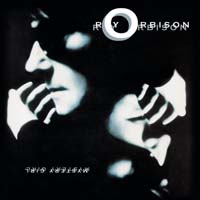 1989Mystery Girl
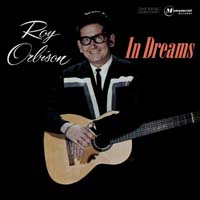 1963In Dreams