
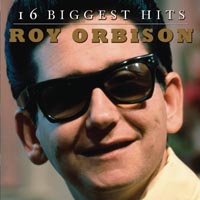
Inside the atmosphere of Roy Orbison's Crying - The Magic Of Roy Orbison
Crying - The Magic Of Roy Orbison- Album Overview
Released in 1962, "Crying - The Magic Of Roy Orbison" is one of Roy Orbison's most celebrated albums, showcasing his unique blend of rock and roll, pop, and country music. The album was released under the Monument Records label, a pivotal label in Orbison's career that helped to shape his distinctive sound. "Crying" features some of Orbison's most iconic tracks, including the title track "Crying," which was co-written by Orbison and Joe Melson, and "Dream Baby (How Long Must I Dream)," a haunting ballad that highlights Orbison's emotive vocal style. The recording sessions for the album took place in Nashville, Tennessee, where Orbison collaborated with renowned producers such as Fred Foster, who played a crucial role in developing the lush orchestral arrangements that became a hallmark of Orbison’s sound. The album is characterized by its dramatic melodies, poignant lyrics, and Orbison's soaring tenor voice, which conveys deep emotion and vulnerability. "Crying" reached significant commercial success, peaking at number 21 on the Billboard 200 chart. The title track became one of Orbison's signature songs, reaching the top ten on the Billboard Hot 100. The album not only solidified Orbison's status as a leading figure in the music industry during the 1960s but also influenced future artists across various genres, from rock to country and pop. Its emotional depth and sophisticated production continue to resonate with listeners and artists alike, making it a timeless classic in American music history.
Review
"Crying - The Magic Of Roy Orbison" is a masterclass in emotional storytelling through music. Orbison's voice, with its rich timbre and wide vocal range, is the centerpiece of the album, bringing a haunting quality to each track. The lyrics often explore themes of love, loss, and longing, resonating deeply with listeners. The orchestral arrangements complement Orbison's voice beautifully, adding a layer of sophistication that enhances the overall listening experience. The production is lush yet tasteful, allowing Orbison's vocals to shine without overshadowing the instrumentation. The use of strings and background vocals elevates the emotional impact of songs like "Crying" and "The Great Pretender." Each track feels like a journey through the highs and lows of romance, with Orbison's expressive delivery making the listener feel every pang of heartbreak. The album's artistic vision is evident in its cohesive sound, as Orbison expertly blends various musical influences while maintaining his unique identity. It stands as a testament to his songwriting prowess and vocal ability, cementing his legacy as one of the greats in music history.
Highlights
- Stunning vocal performances that convey deep emotion.
- Rich orchestral arrangements that enhance the listening experience.
- Timeless songwriting that resonates across generations.
Weak points
- Some tracks may feel overly sentimental for modern listeners.
- The production style may seem dated compared to contemporary music.
- Limited diversity in musical styles across the album's tracks.
Overall evaluation
Overall, "Crying - The Magic Of Roy Orbison" is a landmark album that showcases Roy Orbison's incredible talent as a vocalist and songwriter. Its emotional depth and rich production have made it a lasting influence in the music world. Personal rating: 9/10
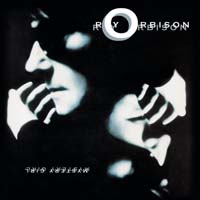 1989Mystery Girl
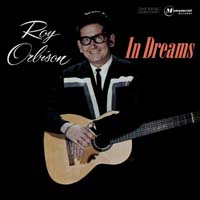 1963In Dreams