ALBUM NOTESThat’s Where It’s At: what Stanley Turrentine wants you to feel
That’s Where It’s At- Album Overview
Stanley Turrentine's album, "That’s Where It’s At," was released in 1966 under the Blue Note Records label, a cornerstone of jazz music. Renowned for his rich, full-bodied tone on the tenor saxophone, Turrentine's work on this album showcases his ability to weave intricate melodies with soulful expression. The album features a stellar lineup, including the legendary guitarist McCoy Tyner, who was instrumental in shaping the sound of jazz in the 1960s, alongside bassist Bob Cranshaw, drummer Elvin Jones, and pianist John Patton.
Recorded in the vibrant jazz scene of New York City, "That’s Where It’s At" stands out for its blend of hard bop and soul jazz, reflecting the cultural shifts of the era. The album consists of six tracks, including the standout single "Sugar," which has become a jazz standard, further solidifying Turrentine's legacy. The album's production was overseen by producer Alfred Lion, who played a pivotal role in the development of the Blue Note sound, emphasizing the raw, emotive power of the performances.
Culturally, "That’s Where It’s At" emerged during a time when jazz was evolving, incorporating elements from R&B and soul, making it accessible to a broader audience. This album not only captures the essence of Turrentine's artistry but also serves as a reflection of the transformative musical landscape of the 1960s.
Review
The sound of "That’s Where It’s At" is an intoxicating blend of jazz sophistication and soulful grooves. Turrentine's tenor saxophone leads the charge with a warm, inviting tone that effortlessly glides through each track. The album opens with "Ain't No Way," a composition that sets the stage for the emotive journey ahead. Turrentine's ability to convey a sense of longing and joy through his instrument is palpable, inviting listeners into a deeply personal space.
The arrangements allow for each musician to shine, with McCoy Tyner's guitar providing a rhythmic backdrop that complements Turrentine's melodic lines beautifully. The interplay between the band members creates a cohesive sound that is both dynamic and fluid. Each track feels like a conversation, with Turrentine's voice taking center stage while the supporting musicians weave in and out, enhancing the overall narrative of the album.
While the album is primarily instrumental, the emotional weight behind the music speaks volumes. Turrentine's artistic vision is clear: he wants listeners to feel, to connect with the music on a visceral level, transcending words. The fusion of jazz and soul throughout the album resonates with the listener, highlighting Turrentine's mastery of his craft.
Highlights
- Rich, expressive tenor saxophone sound that captivates throughout the album.
- Outstanding collaboration with a top-tier lineup of jazz musicians.
- Tracks like "Sugar" and "Ain't No Way" showcase the seamless blend of jazz and soul.
Weak points
- Some tracks may feel repetitive in structure for listeners seeking more experimentation.
- The production style, while classic, may not appeal to those preferring contemporary jazz sounds.
- Lacks vocal tracks, which could limit its appeal to a broader audience.
Overall evaluation
"That’s Where It’s At" is a timeless classic that encapsulates the essence of Stanley Turrentine's artistry. With its rich melodies and soulful grooves, it remains a significant contribution to the jazz genre, reflecting the cultural landscape of the 1960s.
Personal rating: 9/10

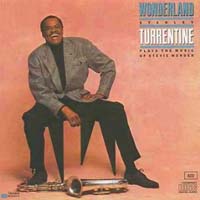 1990Wonderland
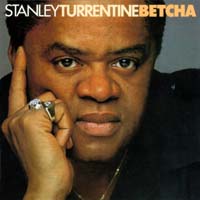 1979Betcha