Album overview
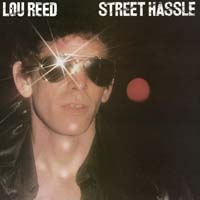
Released in 1978, "Street Hassle" is Lou Reed's fourth solo studio album, following the critically acclaimed "Coney Island Baby." The album was released under the RCA Records label and showcases Reed's signature blend of rock, punk, and avant-garde influences. Notably, "Street Hassle" is recognized for its innovative production techniques, utilizing a mix of live and studio recordings, which gives it a raw, unpolished feel that reflects the gritty themes explored within.
The album features three distinct parts, with the title track being a notable highlight, showcasing Reed's poetic storytelling. Collaborators on the album include the legendary producer Bob Ezrin, known for his work with Alice Cooper and Pink Floyd, who helped shape the sound of the record. The album also features contributions from musicians like Steve Hunter and Michael Suchorsky, adding depth to the instrumentation.
"Street Hassle" includes tracks like "I Wanna Be Black," "Real Good Time Together," and "Shooting Star," which delve into themes of urban life, sexuality, and existential angst. The album's single, "Street Hassle," is particularly significant, as it reflects Reed's ability to blend spoken word with music, drawing listeners into his vivid narratives. The cultural significance of this album lies in its unapologetic examination of life's darker realities, paving the way for future generations of artists who seek to address similar themes.
Moreover, the album is often credited with influencing the punk rock movement, as Reed's candid lyrics and unconventional song structures resonated with the emerging genre. "Street Hassle" remains a crucial piece in Reed's discography and a testament to his lasting impact on music and culture.
Review
"Street Hassle" stands as a defining moment in Lou Reed's career, showcasing his evolution as a songwriter and artist. The sound of the album is raw and unrefined, perfectly complementing the gritty themes Reed explores throughout. The fusion of rock and spoken word creates a unique auditory experience that draws listeners into the world Reed depicts.
Lyrically, Reed's storytelling shines, with each track offering a glimpse into urban life, relationships, and the complexities of human existence. The title track, a multi-part epic, exemplifies Reed's ability to weave narratives that are both compelling and haunting. This blend of poetic lyricism with a rock backdrop allows the listener to engage deeply with the material.
Artistically, Reed's vision combines elements of punk, rock, and art music, pushing boundaries and challenging conventional songwriting. The production choices made by Bob Ezrin enhance the album's rawness while maintaining a level of sophistication that makes "Street Hassle" a timeless piece. While some may find the album's structure unconventional, it is precisely this aspect that allows it to stand out within Reed's oeuvre, marking it as a significant work in the landscape of late 1970s rock music.
Highlights
- Innovative blend of rock and spoken word.
- Raw, unpolished production perfectly matches the album's themes.
- Compelling storytelling and vivid lyricism throughout the tracks.
Weak points
- Some listeners may find the unconventional structure disorienting.
- The raw sound may not appeal to those preferring polished production.
- Certain tracks may feel repetitive or meandering for some audiences.
Overall evaluation
"Street Hassle" is a bold and experimental work that showcases Lou Reed at his most candid and creative. It remains an essential listen for fans of rock and poetry alike, demonstrating Reed's influential approach to songwriting.
Personal rating: 9/10
```

 2011Lulu
 2007Hudson River Wind Meditations
 1996Set the Twilight Reeling
 1990Songs for Drella
 1984New Sensations
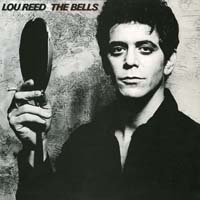 1979The Bells
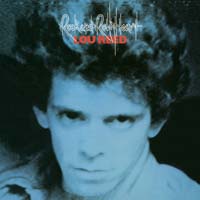 1976Rock and Roll Heart
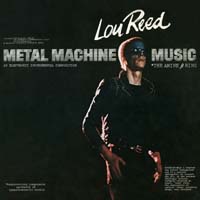 1975Metal Machine Music
 1973Berlin