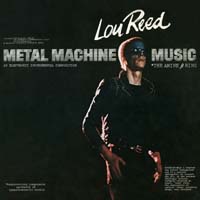
ALBUM NOTESA closer look at Lou Reed-Metal Machine Music's album Metal Machine Music
Album overview
Metal Machine Music, released in 1975, is the highly experimental album by American musician Lou Reed. Known for its avant-garde approach, the album is a departure from Reed's earlier works, notably his acclaimed 1972 album Transformer. Released under RCA Records, Metal Machine Music consists of four long tracks, each approximately 16 minutes long, with the entire album running for over an hour. The tracks are primarily composed of heavy guitar feedback, distortion, and layered electronic sounds, making it one of the earliest examples of noise music.
The album's production was primarily handled by Reed himself, showcasing his desire to push the boundaries of traditional rock music. Reed's collaborator, Robert Quine, a key figure in the New York punk scene, contributed to the album's raw sound, which was polarizing at the time of its release. Despite—or perhaps because of—its unconventional style, Metal Machine Music has since gained recognition for its influence on various genres, including punk, industrial, and experimental music.
While no singles were released from the album, it sparked significant discussion and controversy, with critics divided on its artistic merits. Its cultural significance has grown over the years, as many artists have cited it as a pivotal influence in their work. The album challenges listeners to reconsider their definitions of music and art, making it a crucial piece in the evolution of modern sound exploration.
Review
Metal Machine Music presents a radical sonic landscape that defies conventional musical structure. The absence of traditional lyrics and melodies creates a haunting atmosphere, immersing listeners in a wave of sound that can be both exhilarating and daunting. Reed's artistic vision here is unmistakably bold, as he employs feedback and distortion not merely as effects but as core elements of composition.
Critics have often described the album as challenging, and it certainly requires a listener willing to engage with its unorthodox approach. The lack of conventional song structure may deter casual fans, but for those willing to immerse themselves, it offers a unique auditory experience that forces a confrontation with the nature of music itself. The album's legacy is further cemented by its continued relevance in contemporary discussions about sound art and experimental music, making it a vital part of Reed's discography.
Highlights
- Groundbreaking approach to sound and composition.
- Influence on numerous genres, including punk and noise music.
- Provocative challenge to the conventional boundaries of music.
Weak points
- Accessibility issues for mainstream listeners.
- Potentially overwhelming for those unfamiliar with avant-garde music.
- Lack of traditional song structure may alienate some fans.
Overall evaluation
Metal Machine Music stands as a testament to Lou Reed's fearless artistic expression. Its impact on the music scene is undeniable, though it remains a divisive work. For those who appreciate experimental soundscapes, it is an essential listen.
Personal rating: 8/10
```

 2011Lulu
 2007Hudson River Wind Meditations
 1996Set the Twilight Reeling
 1990Songs for Drella
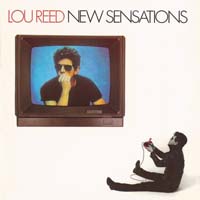 1984New Sensations
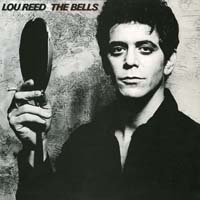 1979The Bells
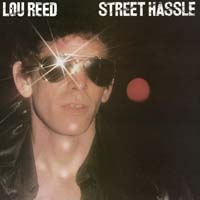 1978Street Hassle
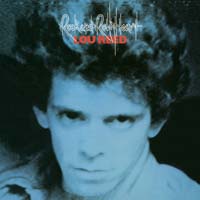 1976Rock and Roll Heart
 1973Berlin