
Check the vibes: Lou Reed-Growing Up in Public – Growing Up in Public
Album overview
"Growing Up in Public" is the seventh studio album by American rock musician Lou Reed, released in 1980. This album came out under the Arista Records label and features a blend of rock, art rock, and new wave influences. The production of the album was handled by Reed himself, showcasing his evolving artistic vision at the time. The recording took place at various studios, including the legendary New York City venue, The Hit Factory. Reed collaborated with a host of musicians, including guitarist Mike Rathke and drummer Michael Suchorsky, who contributed to the album’s distinct sound. The album includes tracks such as "How Do You Speak to an Angel," "My Old Man," and "The Last Great American Whale." The singles "How Do You Speak to an Angel" and "The Last Great American Whale" received airplay and contributed to the album's cultural footprint. Lyrically, the album explores themes of identity, societal expectations, and the nuances of personal growth, reflecting the turbulent yet reflective nature of Reed's life and career at that time. "Growing Up in Public" stands as a testament to Reed's ability to meld personal introspection with broader cultural commentary, making it a notable entry in his discography.
Review
Lou Reed's "Growing Up in Public" is a fascinating exploration of the artist's psyche as he navigates the complexities of modern life. The sound is a mix of gritty rock tones and melodic elements, underscoring Reed's signature style while also embracing the new wave aesthetics of the era. The lyrics are poignant and often autobiographical, revealing vulnerabilities that resonate with listeners. Reed's delivery is both conversational and compelling, drawing you into his world with each track. While the album does not reach the iconic heights of his earlier work with The Velvet Underground, it possesses a raw honesty that is refreshingly candid. The production is straightforward yet effective, allowing the lyrics and melodies to take center stage. The overall tone of the album oscillates between reflective and confrontational, encapsulating the essence of growing up in a rapidly changing society.
Highlights
- Intriguing lyrical themes that delve into identity and personal growth.
- Catchy melodies and a diverse range of musical influences.
- Reed's authentic and engaging vocal delivery.
Weak points
- Some tracks may feel less cohesive compared to Reed's earlier works.
- Production lacks the polish of contemporary albums from the same era.
- Not all listeners may connect with the album’s introspective nature.
Overall evaluation
"Growing Up in Public" serves as a reflective piece in Lou Reed's storied career, capturing the essence of personal evolution amid societal pressures. It may not be his most celebrated work, but it offers valuable insights into his artistic journey.
Personal rating: 7/10 ``` 2011Lulu
 1996Set the Twilight Reeling
 1990Songs for Drella
 1984New Sensations
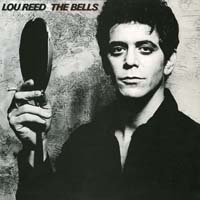 1979The Bells
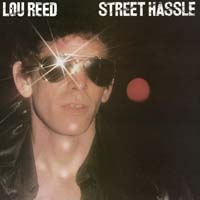 1978Street Hassle
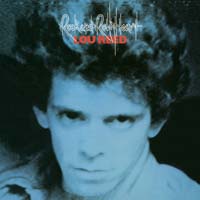 1976Rock and Roll Heart
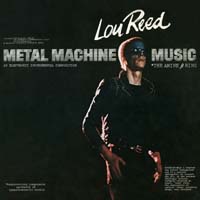 1975Metal Machine Music
 1973Berlin