ALBUM NOTESInside Lou Reed by Lou Reed-Lou Reed
Album overview
The self-titled album "Lou Reed" was released on April 23, 1972, marking the artist's transition from the iconic Velvet Underground to a solo career. Released by RCA Records, the album features a blend of rock, art rock, and experimental sounds that became characteristic of Reed's solo work. The recording took place in New York City, showcasing Reed's collaboration with notable musicians, including guitarist Steve Hunter and pianist David Bowie, who provided backing vocals.
The album consists of 10 tracks, including standout singles like "Walk on the Wild Side," which would later become one of Reed's most recognized songs, and "Perfect Day," a hauntingly beautiful ballad that captures the essence of Reed's lyrical prowess. The production by Mick Ronson and Reed himself contributed to a sound that was both raw and polished, reflecting the gritty New York City backdrop of the early '70s.
Lyrically, the album dives into themes of love, addiction, and urban life, offering a candid look at Reed's experiences and observations. The cultural significance of "Lou Reed" cannot be overstated, as it paved the way for future artists to explore complex narratives within rock music, influencing countless musicians and genres in the decades that followed. This album is often regarded as a cornerstone of the glam rock movement, showcasing Reed's ability to blend personal storytelling with musical innovation.
Review
Lou Reed's self-titled album is a testament to his artistic vision, capturing the raw essence of life in the fast lane. The sound is characterized by a seamless blend of rock and experimental elements, with Reed’s distinctive voice delivering evocative lyrics that paint vivid pictures of urban experiences. Tracks like "Walk on the Wild Side" feature a playful yet poignant narrative, while "Perfect Day" juxtaposes beauty with an underlying sense of melancholy.
Musically, the album is adventurous, with intricate guitar work and lush arrangements that complement Reed's storytelling. The production, credited to Mick Ronson alongside Reed, showcases a polished yet gritty aesthetic that enhances the emotional weight of the songs. While some tracks may feel disjointed to casual listeners, those willing to delve deeper will find a richly layered experience that rewards repeated listens. Reed's ability to confront uncomfortable themes with honesty and wit elevates the album, marking it as a significant piece of art that continues to resonate with audiences.
Highlights
- Exceptional storytelling through lyrics that resonate on multiple levels.
- Innovative blend of rock and experimental sounds that set new standards in music.
- Memorable singles that have stood the test of time and remain influential.
Weak points
- Some tracks may feel uneven or less accessible to mainstream audiences.
- The album's experimental nature might not appeal to all listeners.
- Occasional lyrical ambiguity could confuse those unfamiliar with Reed's style.
Overall evaluation
"Lou Reed" is a groundbreaking album that captures the essence of its creator's vision and the vibrant cultural landscape of the early 1970s. It remains a critical work in Reed's discography and one that continues to influence new generations of artists.
Personal rating: 9/10
```

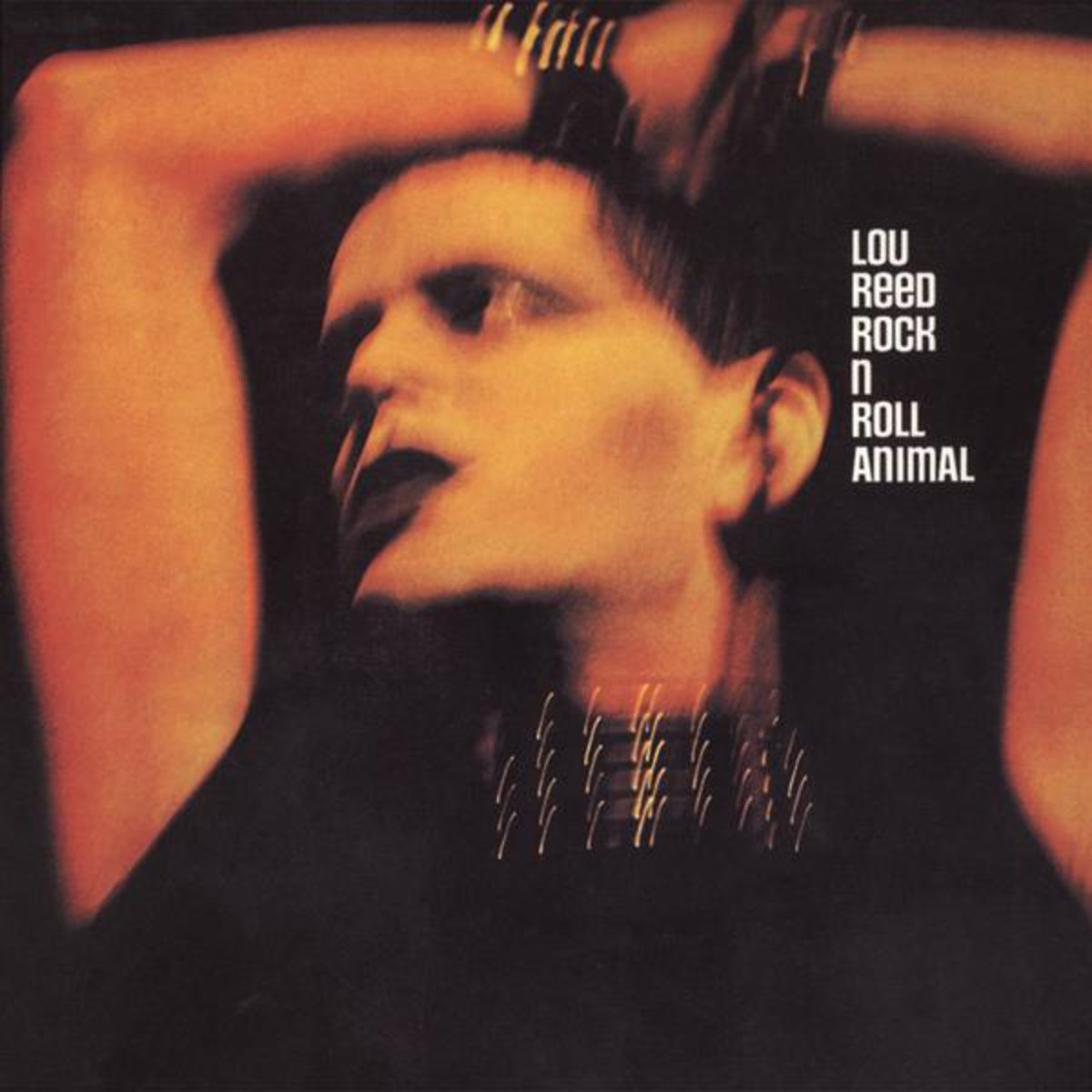
 2011Lulu
 1996Set the Twilight Reeling
 1990Songs for Drella
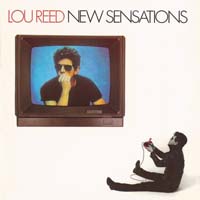 1984New Sensations
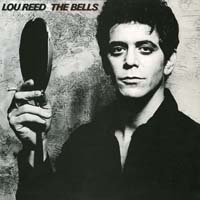 1979The Bells
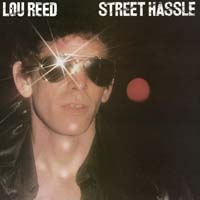 1978Street Hassle
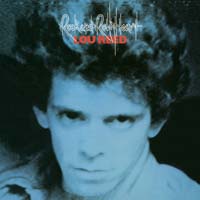 1976Rock and Roll Heart
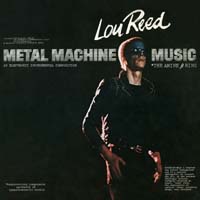 1975Metal Machine Music
 1973Berlin