ALBUM NOTESInside Magic and Loss by Lou Reed-Magic and Loss
Album overview
Released in 1992, "Magic and Loss" is the 18th studio album by legendary musician Lou Reed, known for his influential role in the rock genre. The album was produced by Reed himself, along with co-producer Robert Quine, and released under the Reprise Records label. The recording sessions took place at the legendary RCA Studios in New York City, capturing Reed's signature blend of rock, art, and lyrical introspection.
"Magic and Loss" is a concept album that deals with themes of grief and loss, inspired by the deaths of two of Reed’s close friends—Rita B. and Doc Pomus. The album features a diverse array of musical styles, including art rock and alternative rock, characterized by Reed's distinctive guitar work and evocative lyrics. Notable tracks include "Perfect Day," "Magic," and "Loss," which showcase Reed's ability to weave personal narratives into broader cultural reflections. The album did not produce major singles but has since been recognized for its artistic significance and emotional depth.
Collaborators on the album include bassist Mike Rathke and drummer Michael Blair, who contribute to the album's rich soundscape. "Magic and Loss" has been both celebrated and critiqued for its raw emotional honesty, often regarded as a poignant reflection on mortality and memory in Reed's discography. The album is often viewed as a bridge between Reed's earlier work and the more experimental sounds he would explore in later years.
Review
"Magic and Loss" represents a profound exploration of life’s fragility through Reed’s haunting melodies and poignant lyrics. The album is imbued with a sense of melancholy, yet it also celebrates the beauty found within sorrow. Reed's vocal delivery is raw and unadulterated, allowing listeners to connect deeply with the emotional weight of each track. The instrumentation is minimalist yet effective, allowing the lyrical content to take center stage, particularly in tracks like "Magic," where Reed’s words resonate with universal themes of love and loss.
Musically, the album exhibits a blend of rock and more avant-garde elements, maintaining Reed's reputation as a pioneer. The production is polished, yet retains an intimate feel that invites listeners into Reed's reflective space. Lyrically, Reed delves into personal anecdotes, transforming them into collective experiences that resonate with anyone who has faced loss. His ability to articulate complex emotions with simplicity is what truly makes "Magic and Loss" an essential listen.
Highlights
- Profound and introspective lyrics that resonate with universal themes.
- Innovative blend of rock with avant-garde influences.
- A raw and emotional vocal performance from Reed.
Weak points
- Some tracks may feel overly somber for casual listeners.
- Limited commercial appeal compared to Reed's earlier works.
- Production choices may not resonate with all fans of traditional rock.
Overall evaluation
"Magic and Loss" is a striking testament to Lou Reed's artistic vision, capturing the complexities of grief with unflinching honesty. It’s an album that challenges listeners to confront their emotions, making it a significant entry in Reed's discography.
Personal rating: 8/10
```

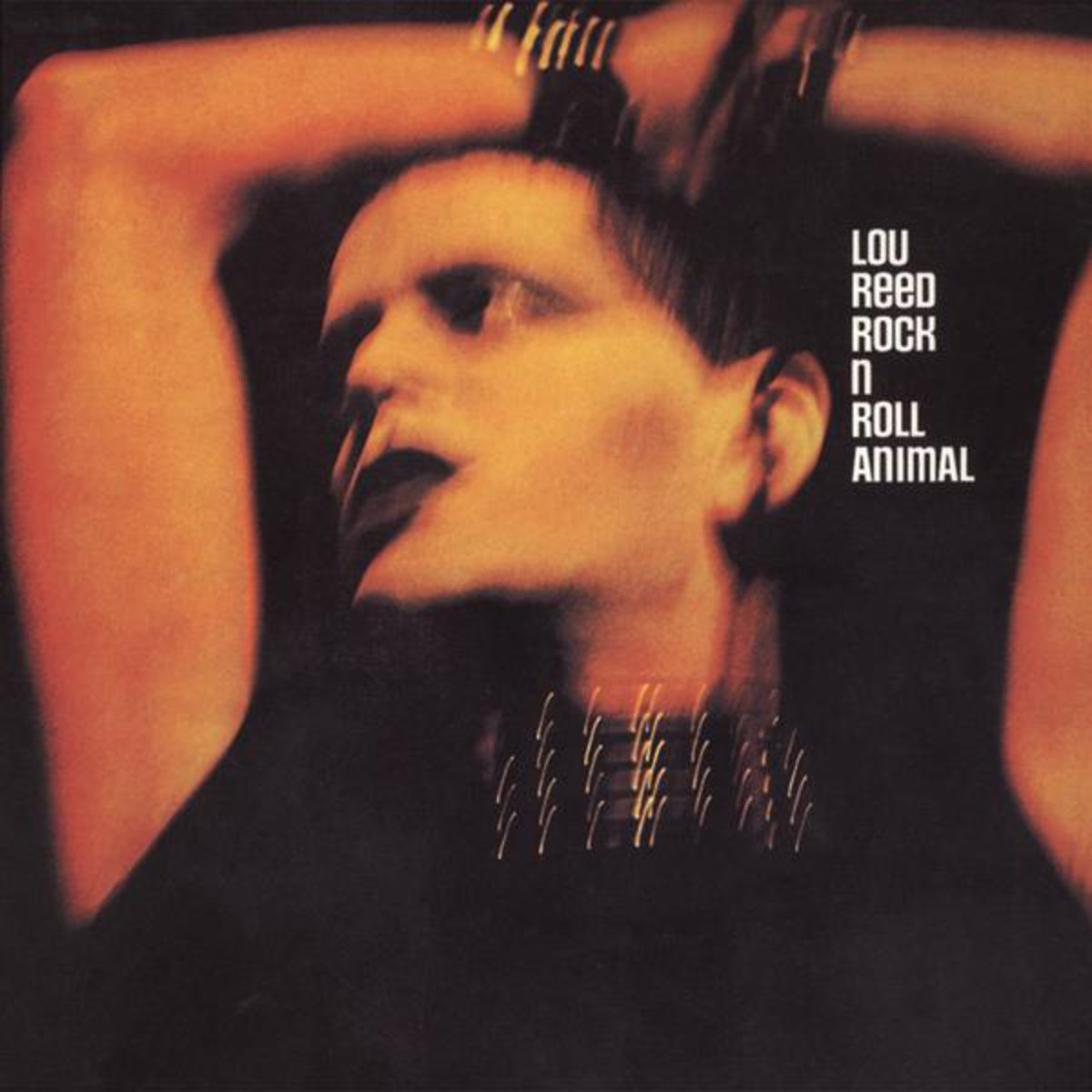
 2011Lulu
 1996Set the Twilight Reeling
 1990Songs for Drella
 1984New Sensations
 1979The Bells
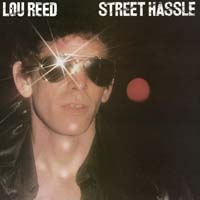 1978Street Hassle
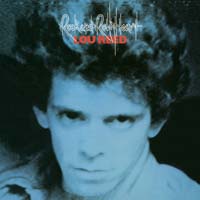 1976Rock and Roll Heart
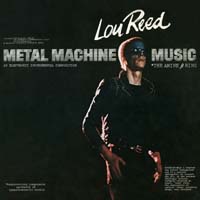 1975Metal Machine Music
 1973Berlin