
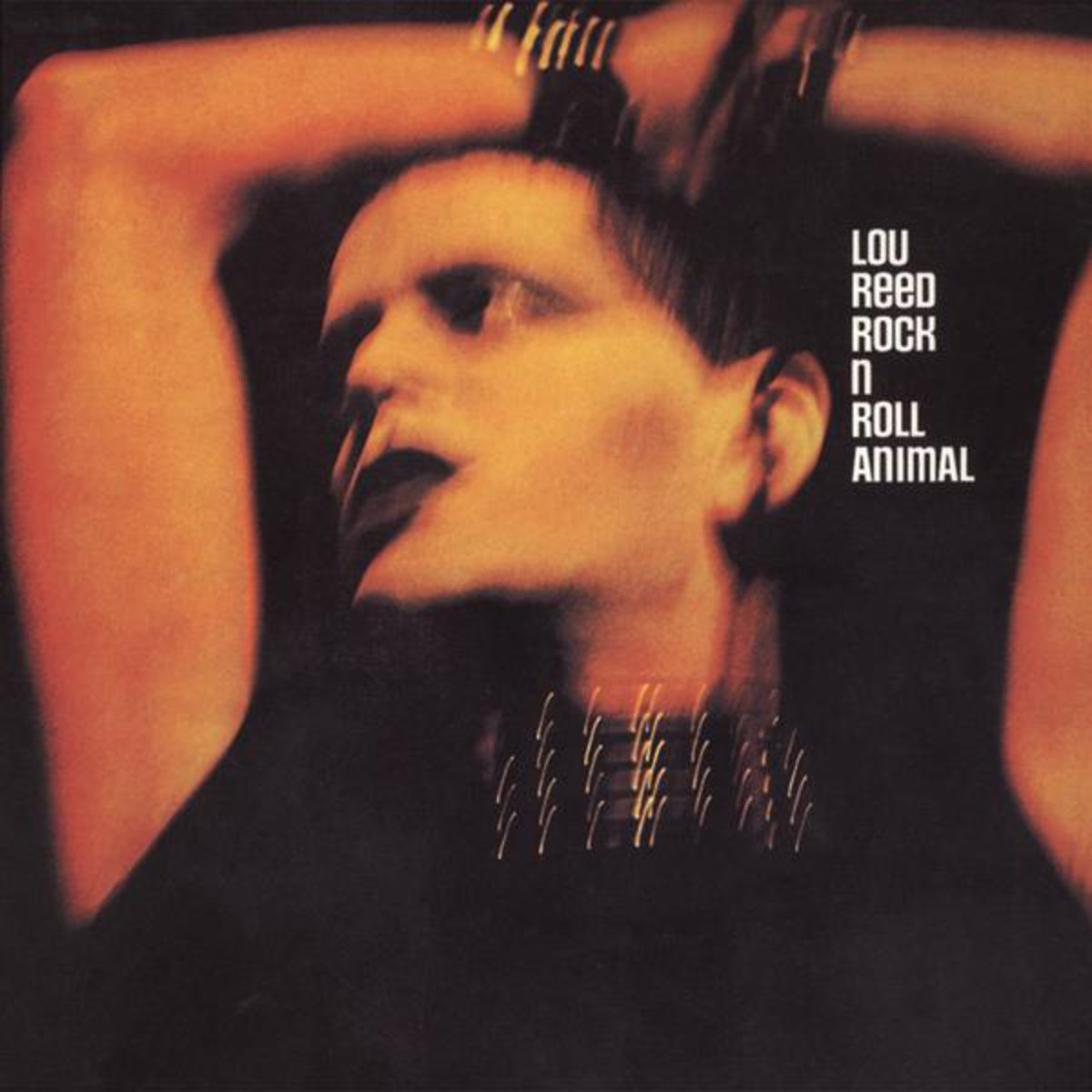
Check the vibes: Lou Reed-Sally Can’t Dance – Sally Can’t Dance
Album overview
"Sally Can’t Dance" is the fourth studio album by American rock musician Lou Reed, released in 1974 through RCA Records. The album marked a significant shift in Reed's musical style compared to his earlier works, embracing a more glam rock and pop-oriented sound. It was produced by the well-known engineer and producer, David Bowie, and his collaborator Mick Ronson. Notably, the album features the hit single "Sally Can’t Dance," which became one of Reed's most commercially successful tracks. The album's recording took place primarily at The Record Plant in New York City, showcasing a blend of rock, glam, and avant-garde influences that characterized Reed's unique approach to music. The album cover, featuring an iconic photograph of a woman dancing, captures the essence of the title track's narrative, which explores themes of freedom and self-expression. Other standout tracks include "Kill Your Sons" and "Lady Day," the latter of which pays homage to legendary jazz singer Billie Holiday. While "Sally Can’t Dance" received mixed critical reviews upon its release, it has since gained recognition for its candid lyrics and Reed's raw vocal delivery, reflecting the cultural and musical shifts of the 1970s. With its mix of catchy melodies and darker lyrical themes, the album encapsulates Reed's ability to intertwine personal experience with broader societal commentary.
Review
The sound of "Sally Can’t Dance" is a fascinating blend of glam rock and pop, underscored by Reed’s distinct vocal style and witty lyricism. The album opens with the title track, a catchy yet sardonic exploration of a woman’s life in the limelight, setting the tone for the rest of the record. Reed’s ability to juxtapose upbeat melodies with darker themes is evident throughout the album. Lyrically, Reed delves into the complexities of fame and identity, using sharp, often ironic observations that reveal both vulnerability and strength. Musically, the production by Bowie and Ronson provides a polished yet edgy backdrop, allowing Reed's voice and storytelling to shine. The instrumentation is layered, featuring vibrant guitar riffs and rhythmic beats that draw listeners in, even as the lyrics provoke deeper reflection. Tracks like "Kill Your Sons" tackle more personal struggles, revealing Reed's candidness in confronting his past. Overall, the album reflects a transitional phase in Reed's career, balancing commercial appeal with artistic integrity.
Highlights
- Catchy and memorable melodies that resonate with diverse audiences.
- Sharp, witty lyrics that showcase Reed's storytelling prowess.
- Strong production values contributing to a polished sound.
Weak points
- Some tracks may feel less cohesive compared to Reed's earlier works.
- Certain lyrical themes might not resonate with all listeners.
- The glam rock influence may overshadow Reed's more avant-garde roots for some fans.
Overall evaluation
"Sally Can’t Dance" represents a pivotal moment in Lou Reed's career, blending catchy melodies with incisive lyrics that comment on fame and identity. While it may not be as groundbreaking as his earlier work with The Velvet Underground, it stands as an important piece in Reed's discography, showcasing his ability to evolve as an artist.
Personal rating: 7/10 ``` 2011Lulu
 1996Set the Twilight Reeling
 1990Songs for Drella
 1984New Sensations
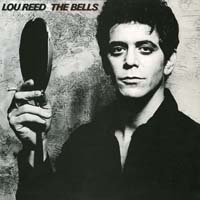 1979The Bells
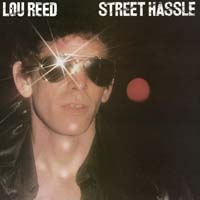 1978Street Hassle
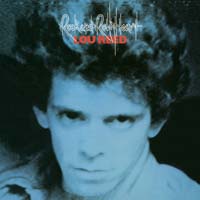 1976Rock and Roll Heart
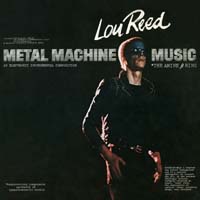 1975Metal Machine Music
 1973Berlin