
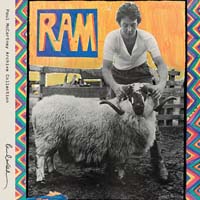
The evolution of Paul McCartney in Ram
Ram- Album Overview
Released on May 17, 1971, "Ram" is the second studio album by Paul McCartney, following his departure from The Beatles. The album was released under the Apple Records label and was co-produced by McCartney and his wife, Linda McCartney. "Ram" features a diverse array of musical styles, showcasing McCartney's versatility as a composer and performer. The recording sessions took place in both New York and Los Angeles, where McCartney collaborated with several musicians, including guitarist Hugh McCracken and drummer Denny Seiwell, alongside Linda's contributions on keyboards and vocals.
Notable singles from the album include "Uncle Albert/Admiral Halsey," which became a commercial success, reaching the top of the charts in the U.S. The album has often been recognized for its lo-fi production style, which contrasts sharply with the polished sound of The Beatles. McCartney's playful and experimental approach to songwriting is evident in tracks like "3 Legs" and "Eat at Home," reflecting his artistic evolution during a tumultuous period in his life.
Culturally, "Ram" marked a significant moment in McCartney's career, as it was one of the first major post-Beatles releases that allowed him to establish his identity as a solo artist. The album received mixed initial reviews, but over time, it has gained recognition and is now considered a classic, influencing numerous artists across genres. Its blend of rock, pop, and folk elements, along with its whimsical lyrical themes, encapsulates a unique phase in McCartney's musical journey.
Review
The sound of "Ram" is a rich tapestry of McCartney's musical influences, blending elements of rock, pop, and even country. The album's whimsical and often playful tone is reflected in its lyrics, which range from introspective musings to light-hearted narratives. Tracks like “Too Many People” offer a critique of societal norms, while others, such as “Smile Away,” showcase his penchant for catchy melodies and upbeat rhythms.
Artistically, "Ram" signifies McCartney's desire to carve out his own niche away from The Beatles' legacy. The raw production and spontaneous feel of the album allow listeners to connect with McCartney's more personal and experimental side. Despite its initial lukewarm reception, the album's charm and authenticity have resonated with audiences over the years, solidifying it as a pivotal work in McCartney's discography. The artistic vision reflects a man in transition, embracing both freedom and responsibility as he navigates life after one of the most famous bands in history.
Highlights
- Inventive songwriting that showcases McCartney's versatility.
- Memorable melodies and catchy choruses that remain timeless.
- Playful production style that reflects McCartney's artistic freedom.
Weak points
- Some tracks may feel disjointed compared to the cohesive albums of The Beatles.
- Initial mixed reviews may deter newer listeners from appreciating its depth.
- Lack of commercial hits beyond the standout singles could limit its mainstream recognition.
Overall evaluation
Overall, "Ram" stands as a testament to Paul McCartney's resilience and creativity during a pivotal time in his life. Its whimsical charm and eclectic sound continue to captivate audiences, marking it as an essential listening experience for fans of classic rock and pop.
Personal rating: 8/10 2020Mccartney Iii
 2005Twin Freaks
 2005Chaos and Creation in the Backyard
 2001Driving Rain
 1999Run Devil Run
 1997Standing Stone
 1997Flaming Pie
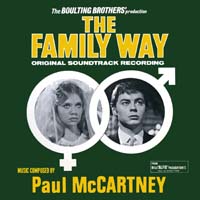 1995The Family Way
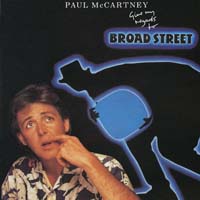 1995Give My Regards to Broad Street
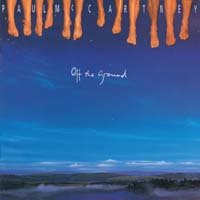 1993Off the Ground
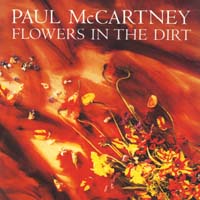 1989Flowers in the Dirt
 1986Press to Play
 1983Pipes of Peace
 1982Tug of War
 1980McCartney II