ALBUM NOTESA closer look at Paul McCartney's album Liverpool Sound Collage
Liverpool Sound Collage- Album Overview
Paul McCartney's "Liverpool Sound Collage," released in 2000, marks a significant departure from his traditional songwriting style, embracing a more experimental sound. The album is an intriguing blend of sound collage, a genre that showcases the manipulation of various audio clips, dialogue, and musical snippets to create a coherent yet avant-garde listening experience. Released through McCartney's own label, MPL Communications, this project was a collaboration with renowned multimedia artist and producer, Sam McGowan. The creation of the album coincided with the 2001 Liverpool Biennial, an international festival of contemporary art, which added a layer of cultural relevance to its release.
The album, consisting of 13 tracks, features contributions from various artists, including members of the Liverpool community, highlighting McCartney's deep ties to his hometown. The tracks are largely instrumental and incorporate sounds from everyday life, interviews, and historical recordings, making it a rich tapestry of auditory experiences. Notably, the single "The Family Way" is a notable inclusion, as it showcases McCartney's ability to blend orchestration with modern sound techniques.
"Liverpool Sound Collage" has been described as a reflective homage to McCartney's roots, offering listeners a unique glimpse into his artistic vision that transcends traditional boundaries. It embodies a significant cultural moment, illustrating how modern technology can influence music-making while paying tribute to the nostalgia of his early career.
Review
"Liverpool Sound Collage" challenges conventional notions of songwriting and music production, as McCartney trades lyrical storytelling for a more abstract and immersive experience. The collage of sounds creates an atmospheric journey that reflects the vibrancy of Liverpool, capturing the city's essence through auditory snapshots. While the album may lack the catchy melodies typical of McCartney’s earlier works, it compensates with its innovative approach to sound and structure.
The lack of traditional song formats may deter casual listeners, but for those willing to engage with the material, the album unveils layers of meaning and emotion. McCartney's artistic vision shines through the use of various audio clips, which evoke nostalgia and familiarity, inviting listeners to connect with the sounds of Liverpool. This approach demonstrates McCartney's fearless experimentation and his commitment to pushing the boundaries of popular music.
Highlights
- Innovative sound collage approach that showcases McCartney's artistic versatility.
- Rich, atmospheric textures that evoke the spirit of Liverpool.
- Collaboration with local artists enhances the cultural significance of the work.
Weak points
- Lack of traditional song structures may alienate some fans.
- Some tracks can feel disjointed or overly experimental for mainstream listeners.
- The album may require multiple listens to fully appreciate its complexity.
Overall evaluation
"Liverpool Sound Collage" is a bold experiment that showcases Paul McCartney's willingness to explore beyond his pop roots. While it may not appeal to everyone, its artistic ambition and cultural relevance make it a noteworthy addition to McCartney's discography.
Personal rating: 7/10

 2005Twin Freaks
 2005Chaos and Creation in the Backyard
 2001Driving Rain
 1999Run Devil Run
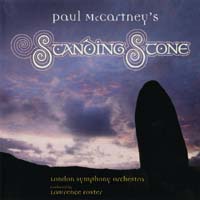 1997Standing Stone
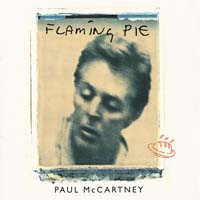 1997Flaming Pie
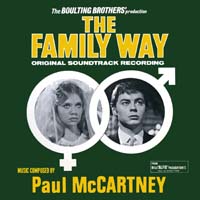 1995The Family Way
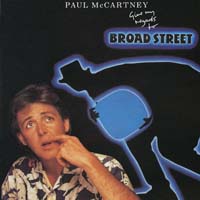 1995Give My Regards to Broad Street
 1993Off the Ground
 1989Flowers in the Dirt
 1986Press to Play
 1983Pipes of Peace
 1982Tug of War
 1980McCartney II
 1971Ram