
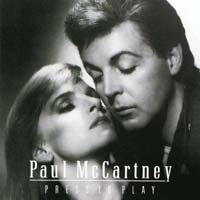
Press to Play: the story Paul McCartney wants to tell
Press to Play- Album Overview
Released on September 1, 1986, "Press to Play" marked Paul McCartney's sixth studio album since the disbanding of The Beatles. The album was released under the Parlophone and Columbia labels and features a blend of rock, pop, and new wave influences. Recorded primarily at AIR Studios in London, the album saw McCartney collaborating with various notable musicians and producers, including Eric Stewart of 10cc fame, who co-produced the album with McCartney. The recording sessions were characterized by a desire to incorporate more contemporary production techniques, which resulted in a polished sound that some critics appreciated while others viewed as overly commercial.
The album features a total of 10 tracks, including the singles "Press," "Pretty Little Head," and "Stranglehold." "Press" was the most successful single from the album, reaching the top 30 in several countries. Lyrically, the album explores themes of love, technology, and self-reflection, showcasing McCartney’s ability to adapt to the changing musical landscape of the 1980s. Although "Press to Play" received mixed reviews upon its release, it has since been recognized for its experimental approach and has garnered a cult following among McCartney enthusiasts. The album's production style and incorporation of synthesizers reflected the era's musical trends, making it a significant entry in McCartney's extensive discography.
Review
"Press to Play" presents an intriguing sonic palette as Paul McCartney experiments with sounds that were contemporary to the mid-1980s. While the album is undeniably layered and rich in production, some listeners may find the reliance on synthesizers and drum machines slightly detracts from McCartney's instinctive songwriting. The lyrics, which often touch on themes of peace, love, and the complexities of relationships, are delivered with McCartney's usual melodic flair, yet at times they feel overshadowed by the aggressive production choices. Tracks like "Press" and "Pretty Little Head" stand out for their catchy hooks and memorable choruses, but they also reflect the struggles McCartney faced in balancing his artistic vision with commercial expectations. Overall, "Press to Play" illustrates McCartney's willingness to experiment while also hinting at the tensions between his classic songwriting roots and the evolving landscape of pop music during the 1980s.
Highlights
- Innovative production techniques that marked a shift in McCartney's sound.
- Cohesive lyrical themes reflecting personal and societal issues.
- Memorable singles like "Press" showcasing McCartney's pop sensibilities.
Weak points
- Some tracks may feel overly polished and commercial.
- The heavy use of synthesizers may alienate traditional McCartney fans.
- Mixed critical reception upon release, reflecting the era's transitional sound.
Overall evaluation
"Press to Play" serves as an interesting chapter in Paul McCartney's storied career, highlighting both his desire to evolve and the challenges of adapting to a changing musical environment. While it may not be a definitive classic, the album is a testament to McCartney's enduring creativity.
Personal rating: 7/10 2020Mccartney Iii
 2005Twin Freaks
 2005Chaos and Creation in the Backyard
 2001Driving Rain
 1999Run Devil Run
 1997Standing Stone
 1997Flaming Pie
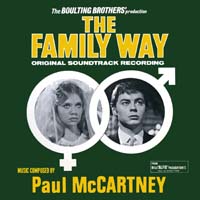 1995The Family Way
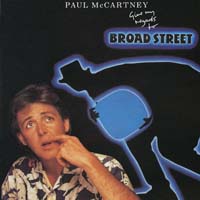 1995Give My Regards to Broad Street
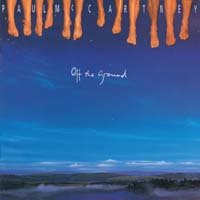 1993Off the Ground
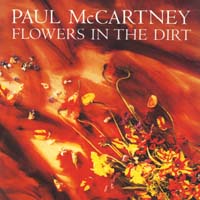 1989Flowers in the Dirt
 1983Pipes of Peace
 1982Tug of War
 1980McCartney II
 1971Ram