
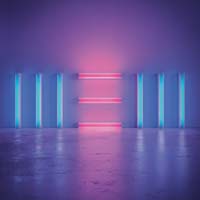
Liverpool Oratorio: the story Paul McCartney wants to tell
Liverpool Oratorio- Album Overview
Released in 1991, "Liverpool Oratorio" is a classical work by Paul McCartney that melds the realms of rock and classical music. The album was produced by the renowned George Martin, who had a long history of collaboration with McCartney during his Beatles years. The work is a two-part oratorio with a rich narrative, inspired by McCartney's own childhood experiences growing up in Liverpool, England. It features the Liverpool Philharmonic Orchestra and a choir, showcasing McCartney's ambition to tell a story through music that transcends traditional pop formats.
The album was released via EMI Records and includes notable tracks such as "The World You Made" and "We Got Married." McCartney composed the piece in a classical style, which includes elements of choral music and orchestration, marking a departure from his usual songwriting approach. The work was performed live in 1991 at the Liverpool Anglican Cathedral, further embedding its cultural significance within McCartney's hometown.
In terms of collaborators, McCartney worked with conductor and arranger, Carl Davis, who played a crucial role in shaping the orchestral arrangements that define the piece. The oratorio was particularly significant as it exemplified McCartney's versatility as a composer and his willingness to explore new musical territories beyond the pop genre. While it may not have achieved the commercial success of McCartney's earlier works, "Liverpool Oratorio" remains a notable chapter in his artistic journey, reflecting both personal and cultural themes.
Review
"Liverpool Oratorio" presents a unique confluence of McCartney's melodic sensibilities and classical traditions. The orchestration is lush and expansive, allowing the emotive quality of the lyrics to resonate deeply. McCartney's lyricism often reflects a sense of nostalgia and longing, effectively capturing the essence of his upbringing. The piece's narrative structure allows for a journey through various moods and themes, from joy to sorrow, making it a compelling listen. However, some critics argue that the shifts in musical tone can feel disjointed, potentially alienating listeners who are more accustomed to McCartney's pop sensibilities.
Artistically, McCartney showcases his ambition in composing a full-length oratorio, an endeavor that few pop musicians undertake. While some may perceive it as a self-indulgent project, others appreciate it as a genuine expression of his roots and artistic exploration. The work may lack the immediate hooks of a traditional McCartney album, but its complexity and depth offer a rewarding experience for those willing to engage with its narrative.
Highlights
- Rich orchestration that showcases McCartney's classical ambitions.
- Emotionally resonant lyrics that reflect personal storytelling.
- A unique blend of classical and contemporary pop elements.
Weak points
- Potentially disjointed musical transitions that may confuse some listeners.
- Lack of commercial appeal compared to McCartney's mainstream hits.
- May be perceived as overly ambitious or self-indulgent by some critics.
Overall evaluation
"Liverpool Oratorio" stands as a testament to Paul McCartney's artistic versatility and willingness to explore new musical landscapes. While it may not resonate with all fans, it offers a profound insight into his roots and aspirations. The album is a valuable addition to his discography, reflecting his legacy as a composer.
Personal rating: 7/10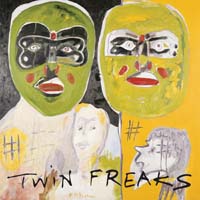 2005Twin Freaks
 2005Chaos and Creation in the Backyard
 2001Driving Rain
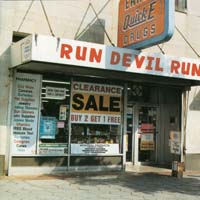 1999Run Devil Run
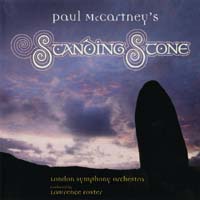 1997Standing Stone
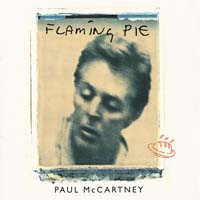 1997Flaming Pie
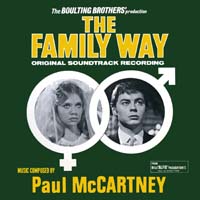 1995The Family Way
 1995Give My Regards to Broad Street
 1993Off the Ground
 1989Flowers in the Dirt
 1986Press to Play
 1983Pipes of Peace
 1982Tug of War
 1980McCartney II
 1971Ram