Album overview
Lucio Battisti's album "La Batteria, Il Contrabbasso, Eccetera" was released in 1976, marking a significant moment in Italian pop music. This album, produced by Battisti himself along with his long-time collaborator Mogol, showcases a blend of progressive rock, pop, and folk influences, which were characteristic of Battisti's innovative sound. The recording took place at the renowned RCA Studios in Rome, where Battisti experimented with different instrumentation, incorporating elements of jazz and rock.
The album features a total of 10 tracks, including standout singles such as "La Batteria," which highlights Battisti's unique vocal style and lyrical depth. Collaborators on the album included revered musicians like Alberto Radius on guitar and the legendary drummer Franz Di Cioccio, who added a dynamic rhythmic foundation to the tracks.
Culturally, the album reflects the Italian progressive rock scene of the 1970s, a time when artists began to break away from traditional pop structures and explore more complex compositions. Battisti's work during this period contributed to the evolution of Italian music, making him a pivotal figure in the genre. "La Batteria, Il Contrabbasso, Eccetera" resonates with themes of love, introspection, and the human experience, encapsulating the essence of Battisti’s artistic vision.
Review
"La Batteria, Il Contrabbasso, Eccetera" is an impressive showcase of Lucio Battisti's artistry, combining intricate melodies with poetic lyrics that reflect his introspective nature. The instrumentation on the album is both rich and varied, with layers of sound that create an immersive listening experience. Tracks like "La Batteria" stand out for their rhythmic complexity and melodic beauty, while others delve deeper into emotional landscapes.
Lyrically, Battisti excels in crafting narratives that resonate with listeners, often exploring themes of love, loss, and existential musings. His ability to convey deep emotions through simple yet profound lyrics sets him apart from many contemporaries. The album's production quality is noteworthy, exhibiting a polished sound that was ahead of its time, allowing Battisti's voice and the accompanying instrumentation to shine.
Overall, the album reflects Battisti's artistic vision, pushing boundaries while remaining accessible. It embodies the spirit of 1970s Italian pop while integrating diverse musical influences, making it a timeless piece of work.
Highlights
- Innovative fusion of genres, blending pop, rock, and jazz influences.
- Rich instrumentation and high production quality enhance the listening experience.
- Poignant and introspective lyrics that resonate deeply with listeners.
Weak points
- Some tracks may feel overly experimental for mainstream audiences.
- Lack of commercial singles compared to Battisti’s earlier works might limit wider recognition.
- Occasional pacing issues with longer tracks that may test listener engagement.
Overall evaluation
Lucio Battisti's "La Batteria, Il Contrabbasso, Eccetera" is a vital addition to the Italian music canon, showcasing his unique blend of musical styles and poetic lyricism. It stands as a testament to his lasting influence on the genre.
Personal rating: 8/10
```


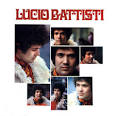 2003Battisti
 1994Hegel
 1990La sposa occidentale
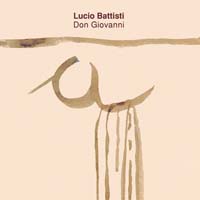 1986Don Giovanni
 1980Una giornata uggiosa
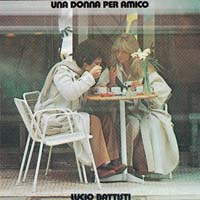 1978Una donna per amico
 1977Io tu noi tutti
 1977Images
 1974Anima latina
 1973Il nostro caro angelo
 1972Il mio canto libero
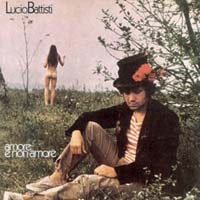 1971Amore e non amore
 1970Emozioni