ALBUM NOTESExploring the sound of Lucio Battisti-Cosa succederà alla ragazza: Cosa succederà alla ragazza
Album overview
Lucio Battisti's album "Cosa succederà alla ragazza" was released in 1971, marking a significant moment in Italian pop music. This album, produced by Battisti himself alongside the renowned lyricist Mogol, showcases a rich blend of rock, pop, and progressive influences that were hallmark traits of the early '70s. Recorded at the RCA Italiana studios, the album features a diverse range of instrumentation, including electric guitars, lush strings, and innovative arrangements that push the boundaries of the genre.
The album consists of several tracks that have become classics in the Italian music canon, such as "Il mio canto libero" and "Cosa succederà alla ragazza." Each song reflects Battisti's unique songwriting style, characterized by poetic lyrics that often explore themes of love, existentialism, and the intricacies of human emotions. "Cosa succederà alla ragazza" is particularly notable for its introspective lyrics that resonate deeply with listeners, making it a staple in Italian music history.
The album was released under the label RCA Italiana and was pivotal in cementing Battisti's status as one of the most influential artists in Italy. Its cultural significance is underscored by the way it encapsulates the spirit of a generation, blending musical innovation with profound lyrical content. The singles from this album not only topped charts but also influenced countless artists in Italy and beyond, solidifying Battisti's legacy as a pioneer of Italian pop and rock music.
Review
"Cosa succederà alla ragazza" serves as a brilliant testament to Lucio Battisti's artistry, showcasing his ability to weave intricate melodies with deeply emotional lyrics. The production is lush yet raw, capturing both the intimacy of Battisti's voice and the expansive soundscapes created by his band. The album's lead track, "Cosa succederà alla ragazza," opens with an irresistible melody that draws the listener in, setting the tone for the reflective journey that follows.
Lyrically, Battisti excels at exploring the complexities of relationships and personal introspection. His collaboration with Mogol is particularly noteworthy, as their synergy results in lyrics that are both accessible and profound. The themes of uncertainty and longing resonate throughout the album, making it relatable to a wide audience. The juxtaposition of upbeat instrumentals with somber lyrical content adds depth to the listening experience, leaving listeners pondering long after the final track has played.
Overall, Battisti's artistic vision in this album is not only a reflection of the era but also a timeless exploration of the human experience.
Highlights
- Innovative arrangements that blend rock and pop elements seamlessly.
- Poetic lyrics that resonate deeply with listeners.
- The emotional depth of the melodies and themes explored throughout the album.
Weak points
- Some tracks may feel dated to contemporary listeners unfamiliar with the genre.
- The album's introspective nature may not appeal to those seeking more upbeat music.
- Limited promotion outside of Italy during its initial release, affecting broader recognition.
Overall evaluation
Lucio Battisti's "Cosa succederà alla ragazza" is a landmark album that beautifully captures the essence of early '70s Italian music. Its rich melodies, profound lyrics, and innovative sound make it a must-listen for anyone interested in the evolution of pop music.
Personal rating: 9/10
```


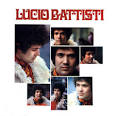 2003Battisti
 1994Hegel
 1990La sposa occidentale
 1986Don Giovanni
 1980Una giornata uggiosa
 1978Una donna per amico
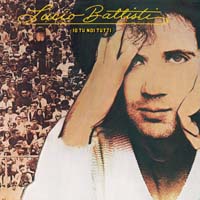 1977Io tu noi tutti
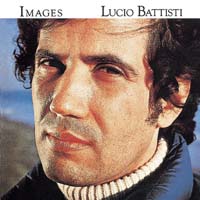 1977Images
 1974Anima latina
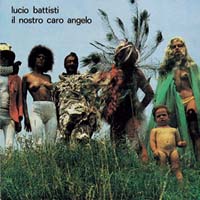 1973Il nostro caro angelo
 1972Il mio canto libero
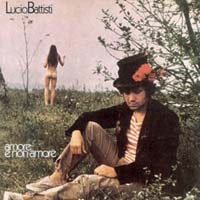 1971Amore e non amore
 1970Emozioni