
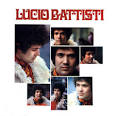
Battisti: discovering Lucio Battisti's artistry
Battisti- Album Overview
The album "Battisti," released in 1976, represents a significant moment in the career of Italian singer-songwriter Lucio Battisti. This self-titled album was released under the label Numero Uno and showcases Battisti's innovative approach to pop music, blending elements of rock, folk, and progressive sounds. The album was produced by Battisti himself along with his long-time collaborator Mogol, who contributed to the lyrics that are often steeped in metaphor and emotional depth. The recording sessions took place in a period when Battisti was at the height of his creative powers, experimenting with various textures and musical styles.
"Battisti" includes several tracks that became integral to his discography, including "Amore e non amore" and "Il mio canto libero," both of which highlight his ability to fuse poignant lyrics with lush melodies. The album did not spawn singles in the traditional sense but instead served as a cohesive body of work that solidified Battisti's reputation within the Italian music scene and beyond. Musically, "Battisti" is characterized by its rich instrumentation, often featuring string arrangements that complement Battisti's expressive vocals.
In the context of Italian music, Battisti's work has been influential in shaping the landscape of pop and rock genres, paving the way for future artists. The album's release coincided with a cultural shift in Italy, as the youth sought new avenues of expression amidst the social changes of the 1970s. Battisti's artistry continues to resonate, making "Battisti" a timeless piece that captures the essence of Italian musical heritage.
Review
Lucio Battisti’s "Battisti" is a masterclass in melodic composition and lyrical storytelling. The album's sound is characterized by its lush arrangements and intricate harmonies, which create a rich auditory landscape. Battisti's voice is both powerful and vulnerable, effortlessly conveying a spectrum of emotions that resonates with listeners. The lyrics, penned by Mogol, delve into themes of love, existential reflection, and the human experience, often employing vivid imagery that leaves a lasting impression.
Musically, the album stands out for its innovative use of instrumentation. The incorporation of strings and synthesizers alongside traditional rock elements gives the tracks an otherworldly quality. Each song flows seamlessly into the next, making the listening experience immersive and cohesive. Battisti’s artistic vision is clear: to create music that is not only enjoyable but also thought-provoking, challenging the norms of contemporary pop music at the time.
Highlights
- The seamless blend of various musical styles that keeps the album fresh and engaging.
- Emotionally charged lyrics that resonate with listeners on a personal level.
- Innovative production techniques that elevate the sound beyond conventional pop.
Weak points
- Some listeners may find the eclectic styles disjointed at times.
- The album's slower tracks may not appeal to those seeking more upbeat compositions.
- Lack of mainstream singles could limit its accessibility to a wider audience.
Overall evaluation
"Battisti" is a significant artistic achievement that showcases Lucio Battisti's unique blend of emotion, innovation, and lyrical depth. The album remains a cornerstone of Italian pop music, reflecting the cultural zeitgeist of its time while maintaining a timeless quality that continues to inspire.
Personal rating: 9/10 1994Hegel
 1992Cosa succederà alla ragazza
 1990La sposa occidentale
 1986Don Giovanni
 1980Una giornata uggiosa
 1978Una donna per amico
 1977Io tu noi tutti
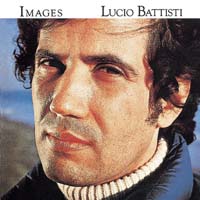 1977Images
 1974Anima latina
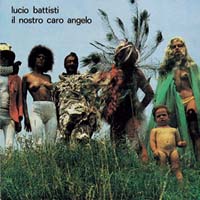 1973Il nostro caro angelo
 1972Il mio canto libero
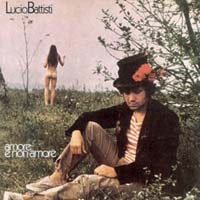 1971Amore e non amore
 1970Emozioni