Album overview
Lucio Battisti's album "Lucio Battisti, la batteria, il contrabbasso, eccetera" was released in 1970 and is a hallmark of Italian pop music, showcasing Battisti's innovative approach to songwriting and production. The album was released under the label Numero Uno, founded by Battisti himself along with Mogol, his longtime collaborator and lyricist. This record features a blend of rock, pop, and orchestral arrangements, which were groundbreaking for the era.
The album comprises notable tracks like "Il mio canto libero" and "Felicità," which have become classics in Italian music. Battisti's work on this album is characterized by lush instrumentation, vivid storytelling, and emotive vocal performances. The production was ahead of its time, employing a mix of traditional and modern recording techniques that added depth to the sound. Collaborators on this project included renowned musicians such as drummer Franz Di Cioccio and bassist Giorgio Piazza, contributing to the rich, layered textures present throughout the album.
"Lucio Battisti, la batteria, il contrabbasso, eccetera" stands as a significant cultural artifact, as it reflects the social and artistic movements of Italy in the late 1960s and early 1970s. Battisti's music resonated with a generation, capturing the essence of youth, love, and existential contemplation, making this album not just a collection of songs, but a pivotal moment in the evolution of Italian pop music.
Review
The sound of "Lucio Battisti, la batteria, il contrabbasso, eccetera" is rich and sophisticated, blending various musical influences that create an engaging listening experience. Battisti's ability to fuse melodic pop with elements of rock and orchestral arrangements is on full display, particularly in tracks like "Il mio canto libero," where soaring strings accompany introspective lyrics.
Lyrically, Battisti delves into themes of love, freedom, and the human experience, often employing poetic imagery that elevates his songwriting beyond mere pop constructs. The artistic vision behind the album is clear: Battisti sought to push the boundaries of what Italian pop music could be, and he succeeded. His emotive vocal delivery and the seamless integration of different musical styles make this album a timeless piece, resonating with listeners across generations.
Highlights
- Innovative production techniques that were groundbreaking for the time.
- Emotionally charged lyrics that connect deeply with listeners.
- A rich blend of genres, from pop to rock to orchestral elements.
Weak points
- Some tracks may feel dated to modern listeners unfamiliar with the era.
- The album's pacing can be uneven, with certain songs feeling less impactful.
- Not all tracks have achieved the same level of recognition, potentially overshadowing gems.
Overall evaluation
"Lucio Battisti, la batteria, il contrabbasso, eccetera" is a landmark album that showcases the brilliance of one of Italy's most beloved artists. Its innovative sound and poignant lyrics continue to inspire musicians today.
Personal rating: 9/10
```


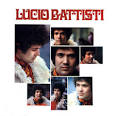 2003Battisti
 1994Hegel
 1990La sposa occidentale
 1986Don Giovanni
 1980Una giornata uggiosa
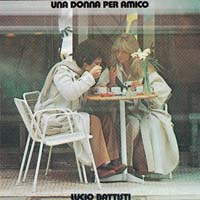 1978Una donna per amico
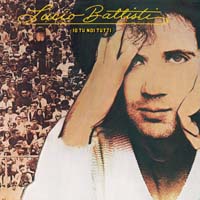 1977Io tu noi tutti
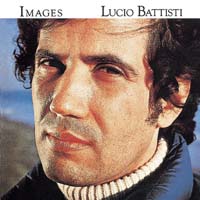 1977Images
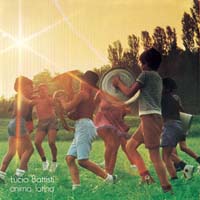 1974Anima latina
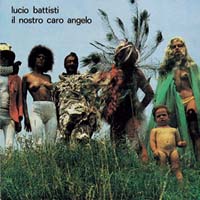 1973Il nostro caro angelo
 1972Il mio canto libero
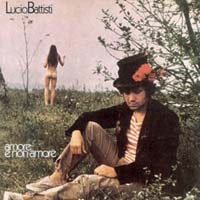 1971Amore e non amore
 1970Emozioni