Biography
Lucio Battisti: history and sound
The Music Legacy of Lucio Battisti: A Deep Dive into His Career
When we think of iconic Italian singers, Lucio Battisti definitely comes to mind. With his mesmerizing voice and progressive songwriting style, Battisti conquered the hearts of people across the world and left a lasting impression on the international music scene. In this article, we'll take a deep dive into his life and career, exploring his musical biography, popular songs, music genre, famous concerts, and a critic's take on his work. So, music lovers, get ready to explore the world of Lucio Battisti!
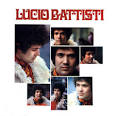
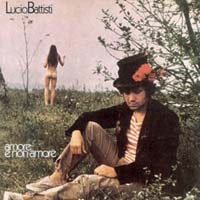
Lucio Battisti was born in Poggio Bustone, Italy, in 1943. He started his career as a songwriter and composer in the early 60s, creating music for other artists. However, it wasn't until he released his solo album, Lucio Battisti, in 1969 that he rose to fame. Battisti's music transcends genres, blending elements of rock, pop, and jazz, all while staying true to his Italian roots. He released over 18 albums throughout his career and collaborated with some of the biggest names in the Italian music scene.
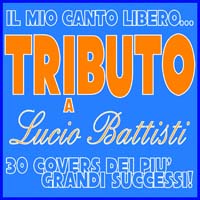
Some of Battisti's most well-known songs include Il mio canto libero, La canzone del sole, and Ancora tu. These songs showcase Battisti's incredible vocal range, captivating melodies, and deeply personal lyrics. Il mio canto libero, in particular, is considered to be his signature piece and a musical anthem of self-expression. The song features a powerful chorus that encourages listeners to be true to themselves and live their lives to the fullest.
Battisti's music has been praised for its poetic lyrics and its ability to express complex emotions. His deep introspection and social commentary set him apart from other artists of his time. He addressed topics such as love, heartbreak, and political injustice with raw honesty, making him a voice for a generation. Battisti's music also paved the way for future Italian musicians, who were inspired by his unique style and sound.
Battisti's live performances were legendary and created a sense of euphoria among his fans. He played at some of the most famous Italian music festivals, such as Sanremo and Villa Pamphilj, which cemented his place in the Italian music scene. Battisti's concerts were known for their high energy and audience participation, with fans singing and dancing along to every word. He even played a historic concert at Rome's ancient Pantheon in 1990, which drew over 200,000 people and is considered one of the greatest moments in Italian music history.
Battisti's music has stood the test of time and is still widely celebrated today. However, some critics argue that he was overly sentimental and didn't push the envelope enough with his music. They question whether his music truly represented the progressive spirit of the 70s or if it was just a nostalgic throwback to an earlier era. Despite these criticisms, Battisti's fans continue to adore his music for its timeless sound and emotional depth.
Lucio Battisti remains one of the most iconic Italian musicians of all time. His music blended different genres, showcased his vocal range and impressed with his deeply personal lyrics. With his live performances at festivals and historical locations, he created a sensational impact on the music scene, leaving his audience speechless. More than anything, Battisti's music speaks to his ability to touch people's emotions and inspire them to be true to themselves. As music lovers, we can still appreciate and enjoy his legacy even today.
Lucio Battisti remains one of the most iconic Italian musicians of all time. His music blended different genres, showcased his vocal range and impressed with his deeply personal lyrics. With his live performances at festivals and historical locations, he created a sensational impact on the music scene, leaving his audience speechless. More than anything, Battisti's music speaks to his ability to touch people's emotions and inspire them to be true to themselves. As music lovers, we can still appreciate and enjoy his legacy even today.
When we think of iconic Italian singers, Lucio Battisti definitely comes to mind. With his mesmerizing voice and progressive songwriting style, Battisti conquered the hearts of people across the world and left a lasting impression on the international music scene. In this article, we'll take a deep dive into his life and career, exploring his musical biography, popular songs, music genre, famous concerts, and a critic's take on his work. So, music lovers, get ready to explore the world of Lucio Battisti!
Lucio Battisti was born in Poggio Bustone, Italy, in 1943. He started his career as a songwriter and composer in the early 60s, creating music for other artists. However, it wasn't until he released his solo album, Lucio Battisti, in 1969 that he rose to fame. Battisti's music transcends genres, blending elements of rock, pop, and jazz, all while staying true to his Italian roots. He released over 18 albums throughout his career and collaborated with some of the biggest names in the Italian music scene.
Some of Battisti's most well-known songs include Il mio canto libero, La canzone del sole, and Ancora tu. These songs showcase Battisti's incredible vocal range, captivating melodies, and deeply personal lyrics. Il mio canto libero, in particular, is considered to be his signature piece and a musical anthem of self-expression. The song features a powerful chorus that encourages listeners to be true to themselves and live their lives to the fullest.
Battisti's music has been praised for its poetic lyrics and its ability to express complex emotions. His deep introspection and social commentary set him apart from other artists of his time. He addressed topics such as love, heartbreak, and political injustice with raw honesty, making him a voice for a generation. Battisti's music also paved the way for future Italian musicians, who were inspired by his unique style and sound.
Battisti's live performances were legendary and created a sense of euphoria among his fans. He played at some of the most famous Italian music festivals, such as Sanremo and Villa Pamphilj, which cemented his place in the Italian music scene. Battisti's concerts were known for their high energy and audience participation, with fans singing and dancing along to every word. He even played a historic concert at Rome's ancient Pantheon in 1990, which drew over 200,000 people and is considered one of the greatest moments in Italian music history.
Battisti's music has stood the test of time and is still widely celebrated today. However, some critics argue that he was overly sentimental and didn't push the envelope enough with his music. They question whether his music truly represented the progressive spirit of the 70s or if it was just a nostalgic throwback to an earlier era. Despite these criticisms, Battisti's fans continue to adore his music for its timeless sound and emotional depth.
Lucio Battisti remains one of the most iconic Italian musicians of all time. His music blended different genres, showcased his vocal range and impressed with his deeply personal lyrics. With his live performances at festivals and historical locations, he created a sensational impact on the music scene, leaving his audience speechless. More than anything, Battisti's music speaks to his ability to touch people's emotions and inspire them to be true to themselves. As music lovers, we can still appreciate and enjoy his legacy even today.
Lucio Battisti remains one of the most iconic Italian musicians of all time. His music blended different genres, showcased his vocal range and impressed with his deeply personal lyrics. With his live performances at festivals and historical locations, he created a sensational impact on the music scene, leaving his audience speechless. More than anything, Battisti's music speaks to his ability to touch people's emotions and inspire them to be true to themselves. As music lovers, we can still appreciate and enjoy his legacy even today.