
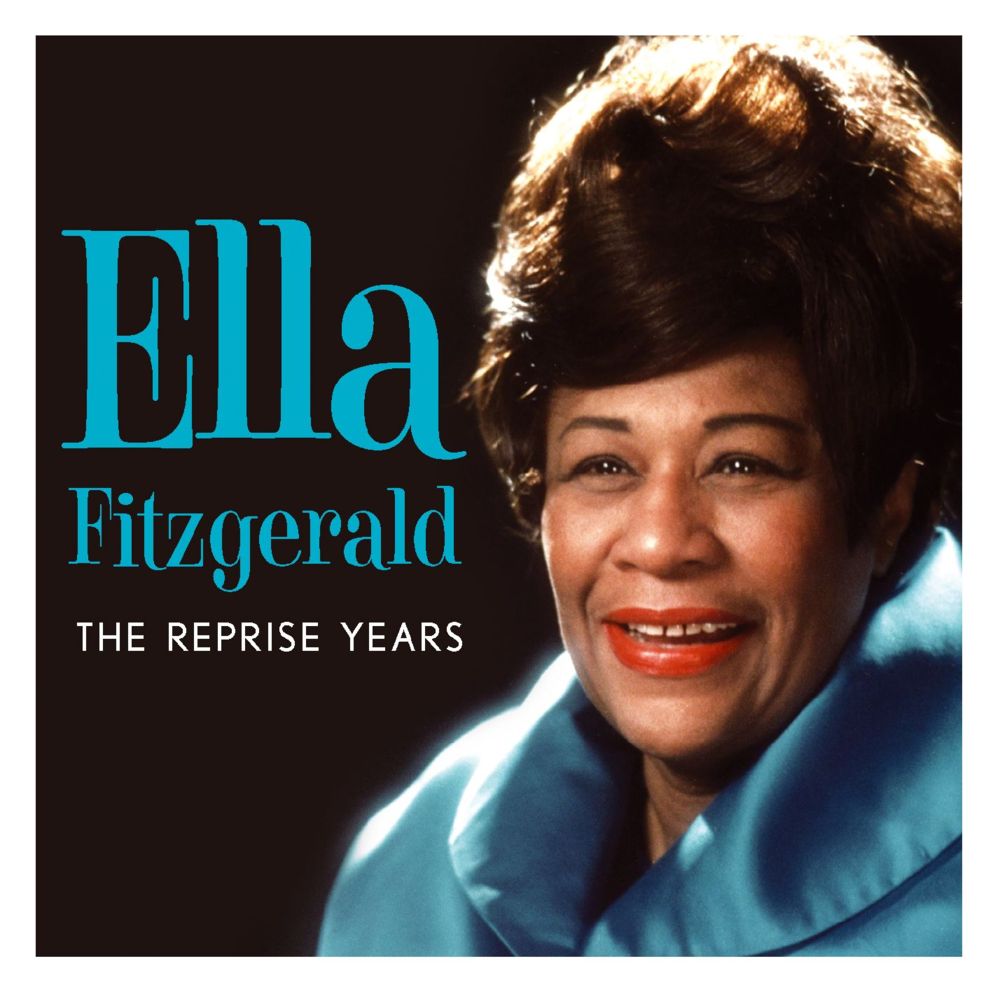
How Ella Fitzgerald shaped the sound of Ella At Duke’s Place
Ella At Duke’s Place- Album Overview
"Ella At Duke's Place" is a remarkable jazz album featuring the legendary Ella Fitzgerald, released in 1965. This album is a collaboration with the renowned Duke Ellington, who is not only a pivotal figure in jazz history but also a significant influence on Fitzgerald's artistic journey. The album was recorded at the famous RCA Victor Studios in New York City, showcasing a blend of big band and vocal jazz that captures the essence of the mid-20th-century jazz scene.
The album consists of ten tracks, including classics such as "Take the 'A' Train," "It Don't Mean a Thing (If It Ain't Got That Swing)," and "Mood Indigo." Fitzgerald's vocal prowess shines brightly throughout, with her ability to interpret lyrics and melodies in a way that is both innovative and deeply emotional. The production was helmed by the legendary producer and arranger, Norman Granz, who played a crucial role in shaping Fitzgerald's career and bringing her artistry to a broader audience.
Significantly, "Ella At Duke's Place" is not just an album; it symbolizes a convergence of two jazz titans. The album stands out not only for its musical quality but also for its cultural significance. It represents a moment when jazz was evolving, blending various styles and attracting a diverse audience. This album resonates with the rich history of jazz and showcases Fitzgerald's unparalleled ability to adapt and grow as an artist while paying homage to the greats of the genre.
Review
The sound of "Ella At Duke's Place" is a masterclass in jazz vocalization and orchestration. Fitzgerald's voice is both smooth and powerful, effortlessly navigating the intricate melodies crafted by Ellington and his band. The album's arrangements highlight her vocal agility and emotional depth, allowing her to transcend mere performance and connect with the listener on a profound level. Each track is a testament to her artistic vision, as she breathes new life into Ellington's compositions, making them her own.
Musically, the album is rich and vibrant, featuring lush instrumentation that complements Fitzgerald's voice beautifully. The interplay between her vocals and the band creates a dynamic listening experience, where every note feels intentional and every pause is laden with meaning. Lyrically, the songs delve into themes of love, longing, and joy, with Fitzgerald's interpretation adding layers of complexity to the already rich lyrics. In essence, the album not only showcases Fitzgerald's unparalleled talent but also reinforces her position as a key figure in jazz history.
Highlights
- Ella Fitzgerald's stunning vocal performance, showcasing her range and emotional depth.
- Exceptional arrangements that highlight the synergy between Fitzgerald and Duke Ellington's orchestra.
- Culturally significant, representing a pivotal moment in jazz history and the evolution of the genre.
Weak points
- Some tracks may feel dated to modern listeners who are unfamiliar with classic jazz.
- The album lacks the experimental edge found in some of Fitzgerald's later works.
- Limited appeal to those who prefer more contemporary styles of jazz or pop music.
Overall evaluation
"Ella At Duke's Place" is an exquisite blend of vocal jazz and orchestral brilliance, showcasing the unparalleled talent of Ella Fitzgerald. It serves as a significant cultural artifact that captures a moment in jazz history while remaining timeless in its artistry.
Personal rating: 9/10 1966Ella Fitzgerald
 1958The Irving Berlin Songbook
 1956Ella Fitzgerald Sings the Cole Porter Song Book