

Uriah Heep – Wonderworld: track-by-track perspective
Wonderworld- Album Overview
"Wonderworld," the sixth studio album by the British rock band Uriah Heep, was released in 1974. This album marked a significant moment in the band’s evolution, showcasing their blend of hard rock and progressive elements. Recorded at the famed Lansdowne Studios in London, the album was produced by the band alongside their longtime collaborator, Ken Hensley, who also contributed keyboards and vocals. "Wonderworld" features a total of 8 tracks, including the notable singles "Wonderworld" and "The Shadows and the Wind." The album was released under the Bronze Records label and continued to solidify Uriah Heep's reputation in the burgeoning hard rock scene of the 1970s.
The recording sessions were marked by an intense creative process, as the band sought to push the boundaries of their sound while incorporating orchestral elements and complex arrangements. Lyrically, the album explores themes of wonder, introspection, and fantasy, showcasing Hensley's ability to craft vivid imagery through his songwriting. Despite mixed reviews upon its release, "Wonderworld" has gained a cult following over the years, appreciated for its ambitious sound and the band's musicianship, particularly the impressive guitar work of Mick Box and the powerful vocals of David Byron. The album stands as a critical chapter in Uriah Heep's discography, reflecting the shifting landscape of rock music in the mid-1970s and their ongoing influence in the genre.
Review
"Wonderworld" presents a varied soundscape that oscillates between hard rock anthems and more reflective ballads. The opening track, "Wonderworld," sets a tone of grandeur with its soaring melodies and dynamic shifts, showcasing Byron's vocal prowess and Hensley's adeptness on the keyboards. The lyrical content throughout the album balances between fantastical storytelling and deeper reflections on existence, a hallmark of Hensley’s writing style. Tracks like "The Shadows and the Wind" and "The Easy Road" emphasize the band’s ability to weave complex narratives into their music, supported by intricate arrangements and harmonies.
Musically, the album is notable for its ambitious production, with rich layers of instrumentation that create a lush listening experience. The interplay between the guitar and keyboards provides a distinctive sound that sets Uriah Heep apart from their contemporaries. However, some critics have noted that the album occasionally falters in pacing, with a few tracks feeling overly long or lacking the same punch as the album's highlights. Overall, "Wonderworld" reflects the band's artistic vision, capturing a moment in time when rock was evolving and expanding into new territories.
Highlights
- Strong vocal performances by David Byron, showcasing his range and emotional depth.
- Intricate arrangements that blend hard rock with progressive elements effectively.
- Memorable tracks like "Wonderworld" that highlight the band's lyrical and musical ambitions.
Weak points
- Some tracks may feel repetitive or overly long, affecting the album's overall pacing.
- Mixed reviews upon release suggest a lack of cohesion in certain sections.
- Not as commercially successful as earlier albums, which may overshadow its artistic merits.
Overall evaluation
"Wonderworld" is an ambitious album that showcases Uriah Heep's signature blend of hard rock and progressive influences, although it may not resonate with every listener. Its exploration of grand themes and intricate compositions reveal the band's unique artistic vision, despite some pacing issues. Over the years, it has gained appreciation among fans, standing as a testament to Uriah Heep's creative efforts during a transformative period in rock music.
Personal rating: 7/10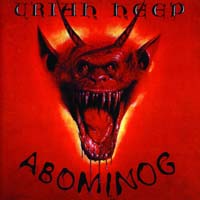 1982Abominog
 1972The Magician's Birthday
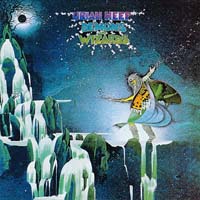 1972Demons and Wizards
 1971Salisbury
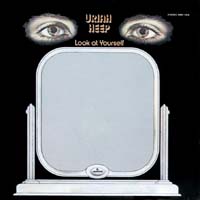 1971Look at Yourself