
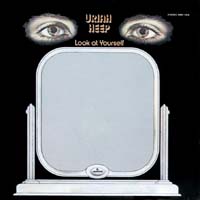
First impressions of Uriah Heep – Look at Yourself
Look at Yourself- Album Overview
"Look at Yourself" is the fourth studio album by the British rock band Uriah Heep, released in 1971. This album marks a pivotal moment in the band's evolution, showcasing their distinctive blend of hard rock, progressive rock, and heavy metal. It was produced by Gerry Bron and released under the Bronze Records label, which played a crucial role in establishing the band’s identity during the early 1970s. The recording sessions took place at Lansdowne Studios in London, capturing the raw energy and dynamic sound that Uriah Heep is known for.
The album features notable tracks such as the title track "Look at Yourself," "The Wizard," and "July Morning," each contributing to the band's growing reputation. The album's artwork, created by artist Ken Barnes, is also iconic, featuring a reflective cover that complements the introspective themes of the lyrics.
"Look at Yourself" was significant not just for its musical composition but also for its cultural impact during a time when rock music was evolving rapidly. The album's blend of heavy guitar riffs and melodic undertones helped solidify Uriah Heep's place in the pantheon of classic rock bands. Singles like "Look at Yourself" gained traction on the charts, further establishing their presence in the music industry. The album has been celebrated for its ambitious sound, intricate arrangements, and the powerful vocals of David Byron.
Review
The sound of "Look at Yourself" is a testament to Uriah Heep's ability to fuse various musical styles seamlessly. The album opens with the title track, which features a powerful organ intro and a driving beat, setting the tone for the rest of the record. The lyrics throughout the album explore themes of self-reflection, existential inquiry, and the human experience, resonating with listeners on multiple levels.
Musically, the album is characterized by its heavy use of keyboards, particularly the organ, which is a signature element of Uriah Heep's sound. The guitar work is equally impressive, with Mick Box delivering memorable solos that enhance the overall musicality. The production quality is robust, allowing each instrument to shine while maintaining a cohesive sound.
Overall, "Look at Yourself" exemplifies Uriah Heep's artistic vision and their commitment to pushing the boundaries of rock music during the early '70s. The album stands as a landmark in their discography, demonstrating their evolution and the foundational elements that would define their future works.
Highlights
- Powerful and emotive vocals by David Byron.
- Memorable and intricate keyboard arrangements that enhance the sound.
- Strong lyrical themes of self-reflection and existentialism.
Weak points
- Some tracks may feel repetitive in structure.
- The production might sound dated to modern listeners.
- Not all songs achieve the same level of impact as the standout tracks.
Overall evaluation
"Look at Yourself" is a significant entry in Uriah Heep's catalog that showcases their talents and artistic growth during a pivotal era in rock music. While it has its flaws, the album's strengths far outweigh them, making it a must-listen for fans of classic rock.
Personal rating: 8/10 2018Living The Dream
 1982Abominog
 1972The Magician's Birthday
 1972Demons and Wizards
 1971Salisbury