
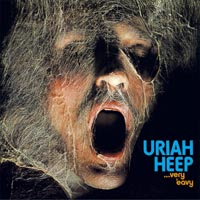
Uriah Heep experiments boldly on Sea of Light
Sea of Light- Album Overview
"Sea of Light" is the thirteenth studio album by the British rock band Uriah Heep, released on April 24, 1995. This album marked the return of the band's classic sound while also showcasing their willingness to experiment with new musical styles. Released under the label "CMC International," "Sea of Light" was produced by the band itself, with contributions from various collaborators including guitarist Mick Box and keyboardist Phil Lanzon. The recording sessions took place in various studios, allowing the band to blend their hard rock roots with elements of progressive and symphonic rock.
The album features a total of 10 tracks, including notable singles like "Between Two Worlds" and "I Can’t Stop." Each track is characterized by a fusion of heavy guitar riffs, soaring melodies, and rich keyboard arrangements, which have become hallmarks of Uriah Heep's sound. Lyrically, "Sea of Light" explores themes of resilience, love, and introspection, showcasing a maturity in songwriting that reflects the band's evolution over the years. The album received positive reviews for its bold experimentation while maintaining the classic Uriah Heep essence, highlighting the band's ability to adapt to the changing musical landscape of the 1990s.
Upon its release, "Sea of Light" was well-received by fans and critics alike, cementing Uriah Heep's legacy in the rock genre. The album is often cited as a significant entry in their discography, bridging the gap between their earlier works and their later projects. The combination of classic rock elements with modern production techniques helped to reinvigorate interest in the band during this period, demonstrating that Uriah Heep remains a vital force in the rock music scene.
Review
The sound of "Sea of Light" is both a homage to Uriah Heep’s legacy and a bold step forward in their musical journey. With rich instrumentation led by Mick Box's dynamic guitar work and Phil Lanzon's atmospheric keyboards, the album resonates with a classic rock feel while exploring contemporary themes. The production quality is polished, allowing each instrument to shine through, creating a lush soundscape that is both engaging and powerful.
Lyrically, the album tackles personal and existential themes, reflecting a depth that resonates with listeners on multiple levels. Tracks like "Between Two Worlds" showcase a poignant exploration of duality and choice, while "I Can’t Stop" offers an upbeat, energetic anthem celebrating life and perseverance. The artistic vision here is clear: Uriah Heep is not just looking back at their storied past but also forging ahead with a relevant and compelling sound.
Highlights
- Strong musical cohesion throughout the album, blending classic and modern rock elements.
- Impressive lyrical depth that resonates with themes of introspection and resilience.
- Powerful performances by all band members, showcasing their musical maturity.
Weak points
- Some tracks may feel overly familiar to long-time fans, lacking the groundbreaking edge of their earlier works.
- A few songs could benefit from more dynamic variation in tempo and structure.
- Limited commercial singles may not capture the full breadth of the album's artistic vision.
Overall evaluation
"Sea of Light" represents a significant chapter in Uriah Heep's storied career, successfully blending their classic sound with fresh ideas. While it may not completely redefine their musical identity, it certainly reaffirms their relevance in the rock genre. A testament to their enduring legacy, this album is a must-listen for both new fans and long-time followers.
Personal rating: 8/10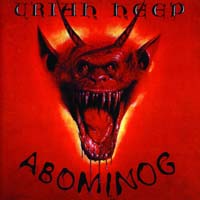 1982Abominog
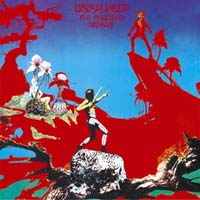 1972The Magician's Birthday
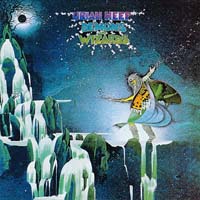 1972Demons and Wizards
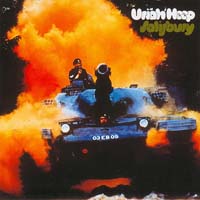 1971Salisbury
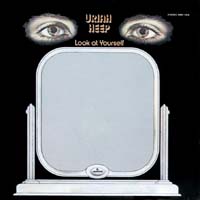 1971Look at Yourself