ALBUM NOTESUnpacking Uriah Heep's Uriah Heep
Uriah Heep- Album Overview
Uriah Heep's self-titled debut album, released in 1970, marks a significant entry into the world of progressive rock and heavy metal. Released under the Bronze Records label, the album was recorded at Lansdowne Studios in London, showcasing a blend of hard rock with progressive elements that would become a hallmark of the band's sound. The lineup featured prominent members such as David Byron on vocals, Mick Box on guitar, Paul Newton on bass, Ken Hensley on keyboards, and Lee Kerslake on drums.
The album includes notable tracks such as "Gypsy," "Walking in Your Shadow," and "Come Away, Melinda," which highlight the band's eclectic influences and lyrical depth. The production, crafted by the band alongside engineer Gerry Bron, effectively captures their ambitious sound, characterized by organ-driven melodies and powerful guitar riffs. "Gypsy," the lead single, received significant airplay and laid the groundwork for the band's growing popularity, showcasing their dynamic range and theatrical flair.
Culturally, Uriah Heep's debut contributed to the burgeoning heavy metal scene of the early '70s and influenced numerous subsequent acts. The band's unique sound—melding heavy rock with progressive arrangements—set them apart from their contemporaries and established a loyal fan base. The album's exploration of themes such as mysticism and personal struggle resonated with listeners, cementing Uriah Heep's place in rock history.
Review
Uriah Heep's debut album is an eclectic mix of hard rock and progressive sounds, ingeniously crafted to showcase the band's versatility. The blend of David Byron's soaring vocals with Ken Hensley's rich keyboard arrangements creates a sonic tapestry that is both engaging and powerful. Tracks like "Gypsy" feature a compelling chorus and intricate guitar work, while "Come Away, Melinda" presents a more somber tone, highlighting the band's ability to traverse emotional landscapes.
The lyrics often delve into themes of fantasy and introspection, reflecting the era's fascination with mysticism and existential questions. While some might argue that the album occasionally leans too heavily on theatricality, it is precisely this aspect that gives Uriah Heep a distinct identity. The band's artistic vision is ambitious, aiming to push the boundaries of rock music and incorporate diverse influences, from classical to folk.
Overall, the production quality is commendable, capturing the raw energy of their live performances while allowing each instrument to shine. This debut is a bold statement of intent, paving the way for Uriah Heep's future endeavors in the rock genre.
Highlights
- Powerful vocal performances from David Byron
- Intricate musical arrangements blending rock and progressive elements
- Memorable tracks that showcase the band's versatility and lyrical depth
Weak points
- Some tracks may feel uneven or less polished compared to later works
- The theatricality may not resonate with all listeners
- Limited production budget compared to subsequent albums
Overall evaluation
Uriah Heep's self-titled debut album is a commendable introduction to the band's unique sound and vision, setting the stage for their future successes. While it has its flaws, the album's standout tracks and ambitious scope make it a significant contribution to the rock genre.
Personal rating: 7.5/10

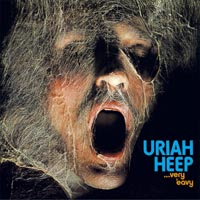
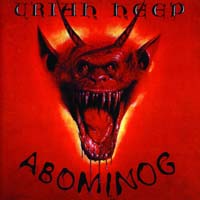 1982Abominog
 1972The Magician's Birthday
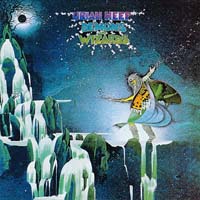 1972Demons and Wizards
 1971Salisbury
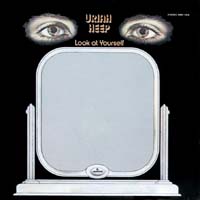 1971Look at Yourself